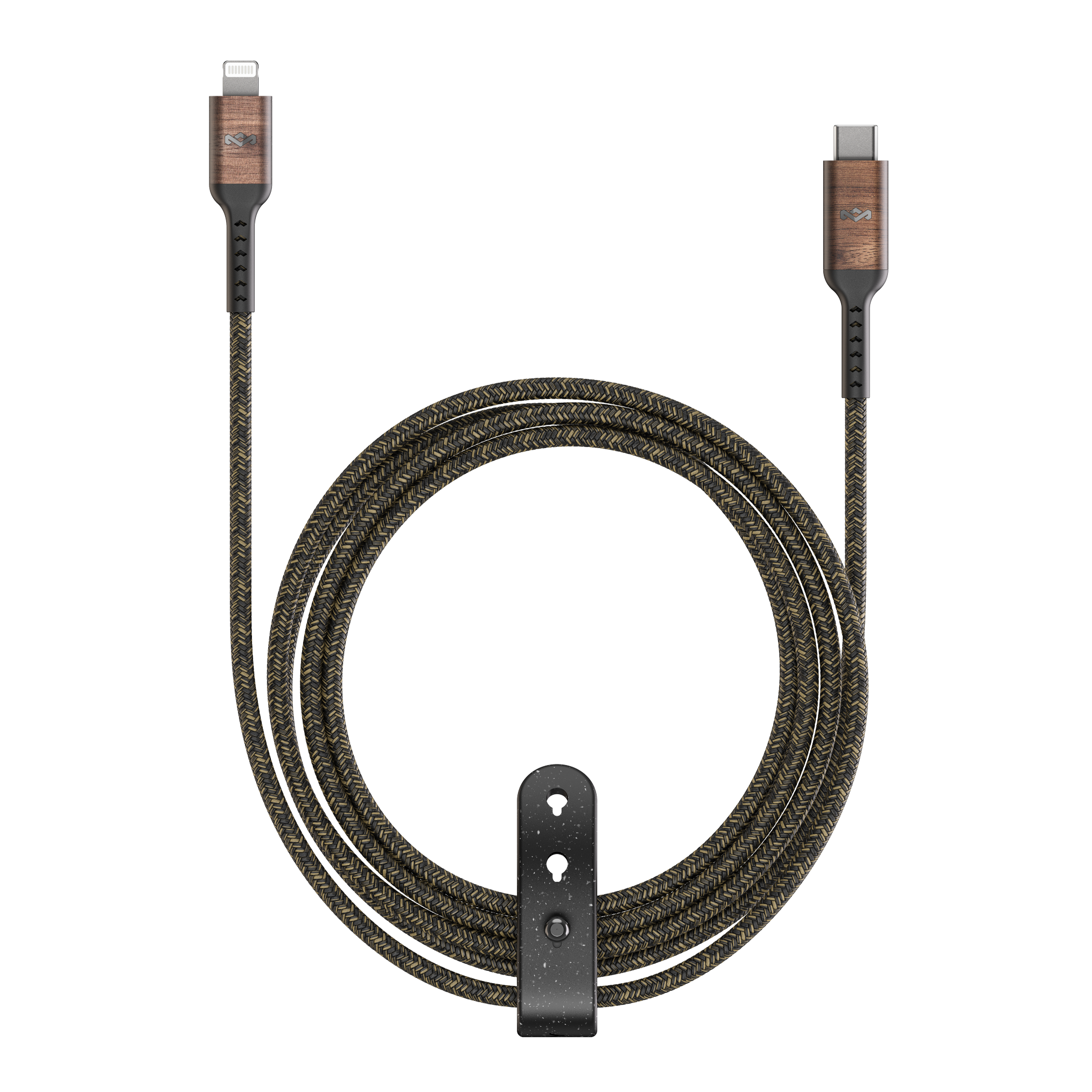
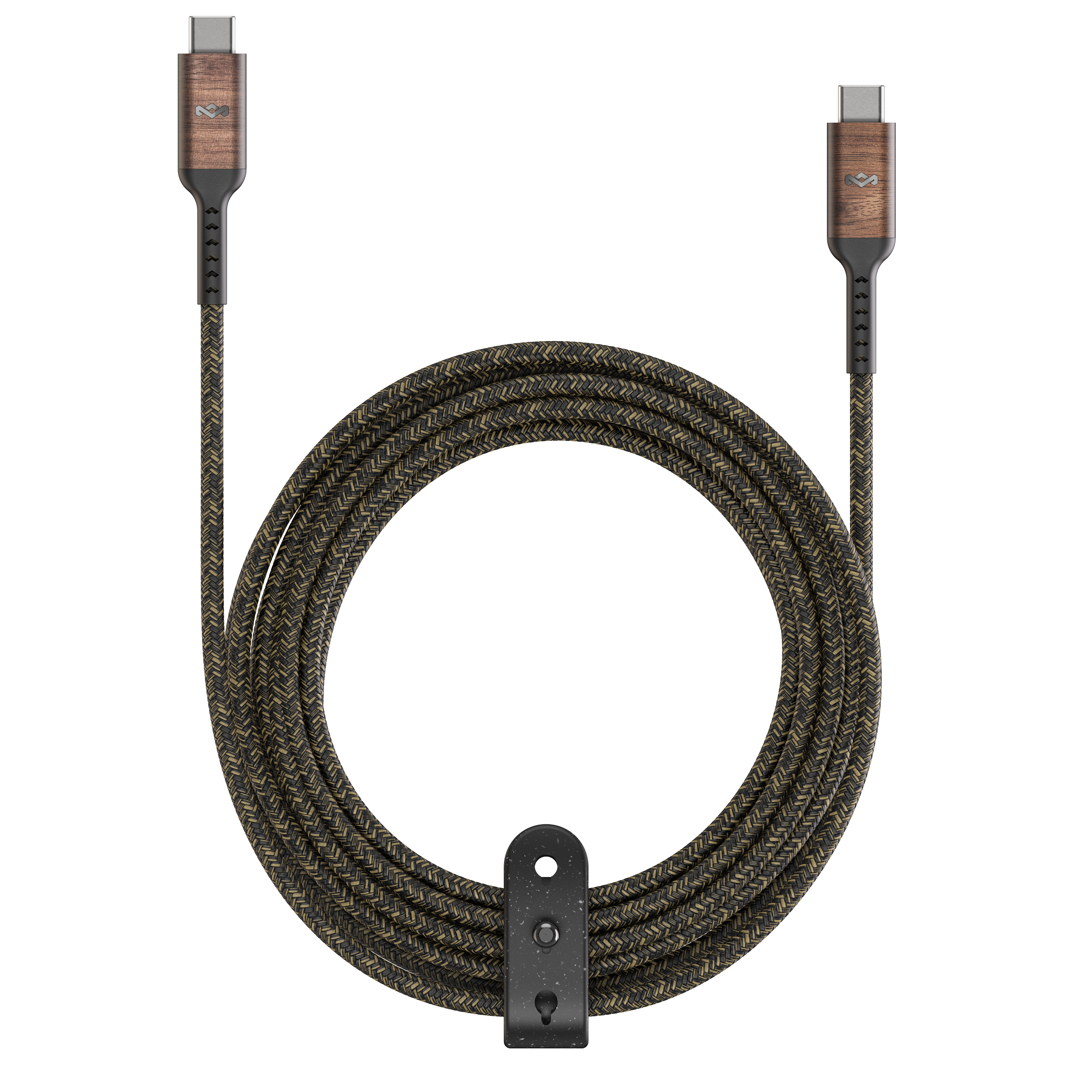
House of Marley REWIND Cables
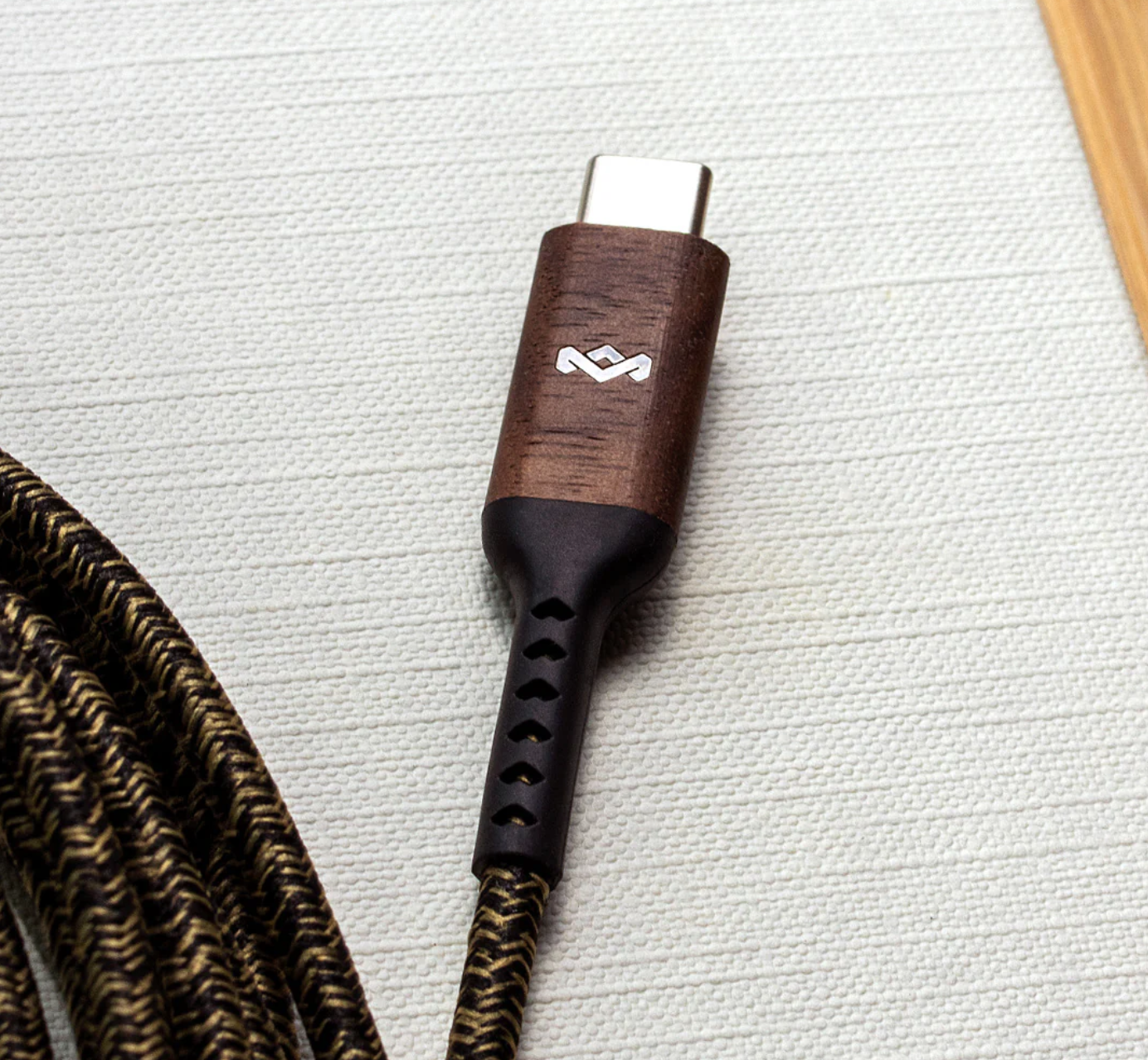
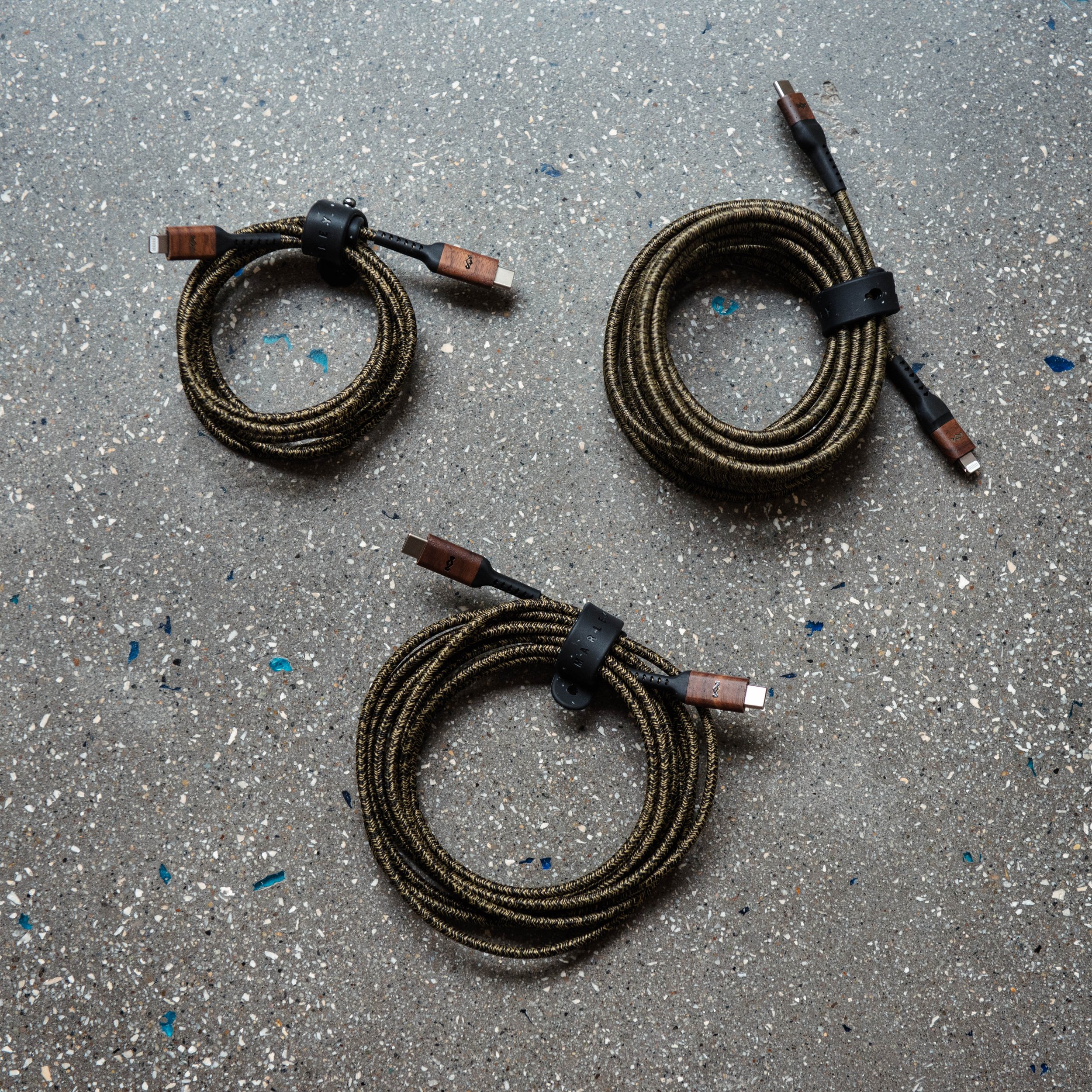
Sustainable Charging Cable Accessory Case Study
A sustainable charging cable program developed for House of Marley, designed to bring the brand’s material language into an everyday mobile accessory category.
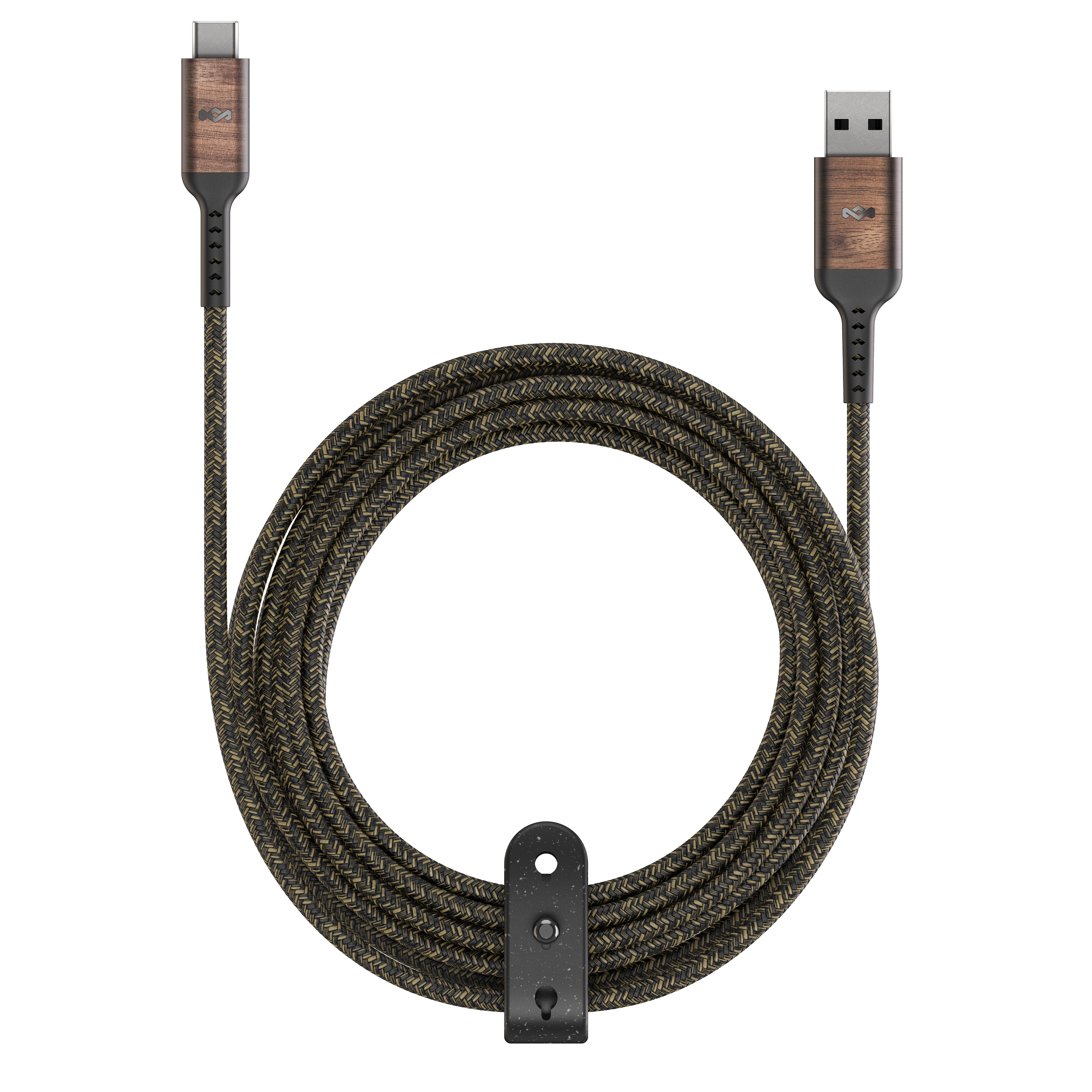
REWIND Cables balanced charging utility, cable durability, connector protection, tactile material details, recycled and renewable material cues, packaging, and retail-ready commercialization.
Role: Product Development and Product Management
Brand: House of Marley
Category: Sustainable Consumer Electronics Accessories
Product Type: Charging Cable Program
Focus: Sustainable Materials, Cable Construction, OEM Development, Durability, Packaging, Retail Launch
Project Overview
House of Marley products are built around music, lifestyle, and sustainability. The REWIND Cables project extended that brand position into mobile charging accessories: a high-use category where products are often treated as disposable, generic, and price-driven.
The opportunity was to create a cable program that felt more intentional than a standard charging cable. The product needed to deliver everyday charging utility while using material details, finishes, and packaging to support House of Marley’s sustainable product story.
The result was a cable accessory program that connected functional consumer electronics requirements with brand-aligned material execution.
Project Overview
House of Marley products are built around music, lifestyle, and sustainability. The REWIND Cables project extended that brand position into mobile charging accessories: a high-use category where products are often treated as disposable, generic, and price-driven.
The opportunity was to create a cable program that felt more intentional than a standard charging cable. The product needed to deliver everyday charging utility while using material details, finishes, and packaging to support House of Marley’s sustainable product story.
The result was a cable accessory program that connected functional consumer electronics requirements with brand-aligned material execution.
The Opportunity
Charging cables are a crowded accessory category with limited visual differentiation. Most products compete on connector type, length, price, and durability claims.
The opportunity for REWIND was to create a cable line that stood apart through:
A more premium material and tactile experience
Brand-aligned sustainable material cues
Durable cable construction
Clear connector compatibility
Strong strain-relief execution
Packaging that communicated the material and product story
A cohesive look within the broader House of Marley accessory portfolio
The challenge was to make a simple, everyday product feel useful, durable, sustainable, and brand-specific without overcomplicating the design or cost structure.
My Role
I contributed to the product development process across product positioning, material and construction review, supplier coordination, sample evaluation, packaging readiness, and launch support.
My responsibilities included:
Supporting product direction for a sustainable charging cable accessory program
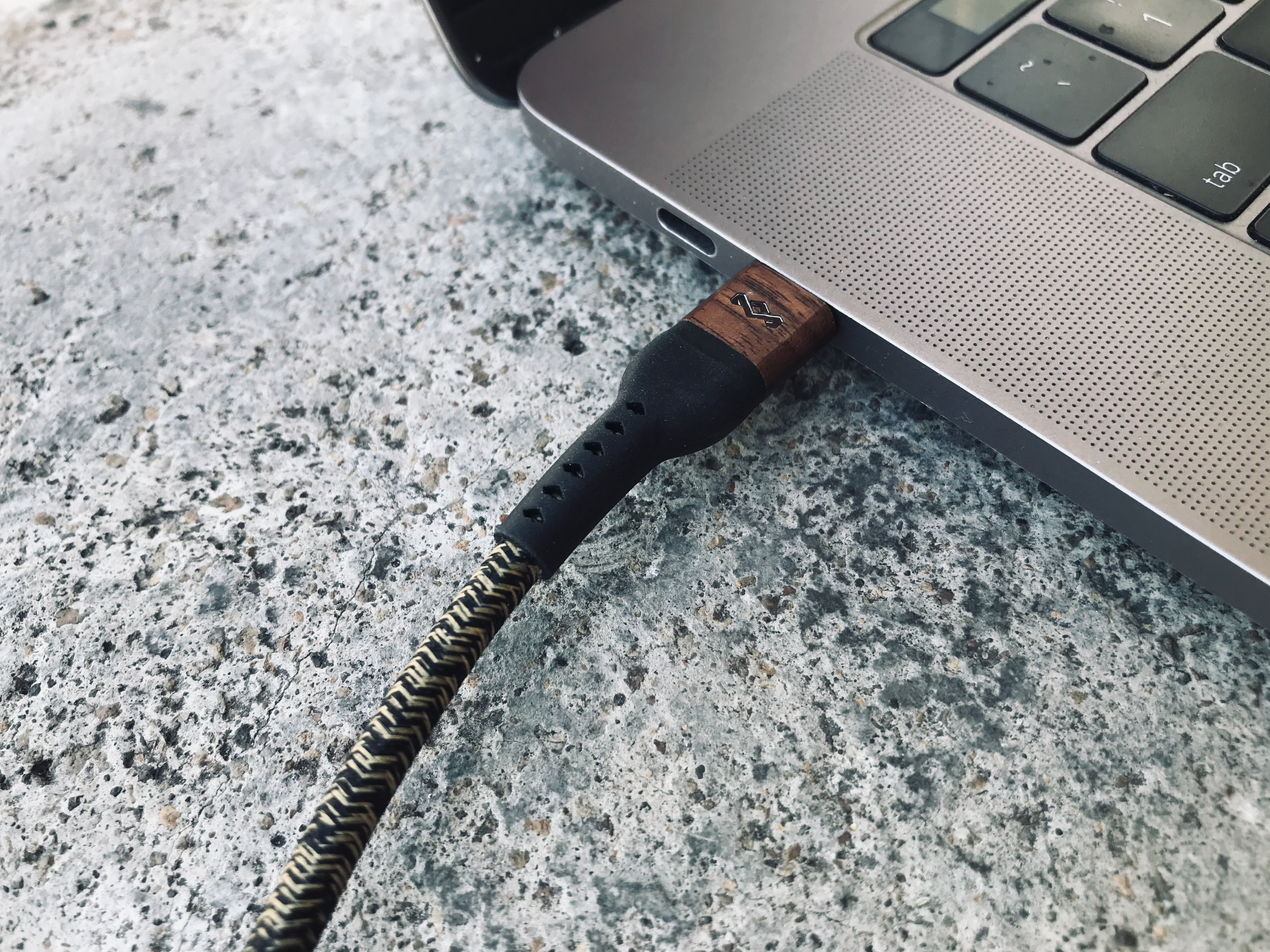
Reviewing cable materials, tactile finish, connector housing, and strain-relief details
Coordinating with OEM partners on sample development and construction refinement
Evaluating usability, flexibility, perceived durability, and finish quality
Reviewing connector fit, cable handling, and everyday-use considerations
Supporting CMF alignment with the House of Marley brand language
Coordinating packaging requirements and product communication
Supporting retail and e-commerce launch readiness
Outcome
REWIND Cables strengthened House of Marley’s sustainable accessory portfolio by extending the brand’s material language into an everyday charging category.
The project demonstrated how a simple mobile accessory can create stronger brand value through material strategy, tactile details, durability considerations, supplier execution, packaging, and retail-ready product communication.
The cable program helped create a more cohesive accessory ecosystem around the brand’s broader consumer electronics and lifestyle product direction.
Project Impact
Sustainable Accessory Expansion
Extended House of Marley’s material-driven product language into charging cables and everyday mobile accessories.
Consumer Electronics Utility
Delivered a practical charging product designed for repeated daily use.
Material and CMF Direction
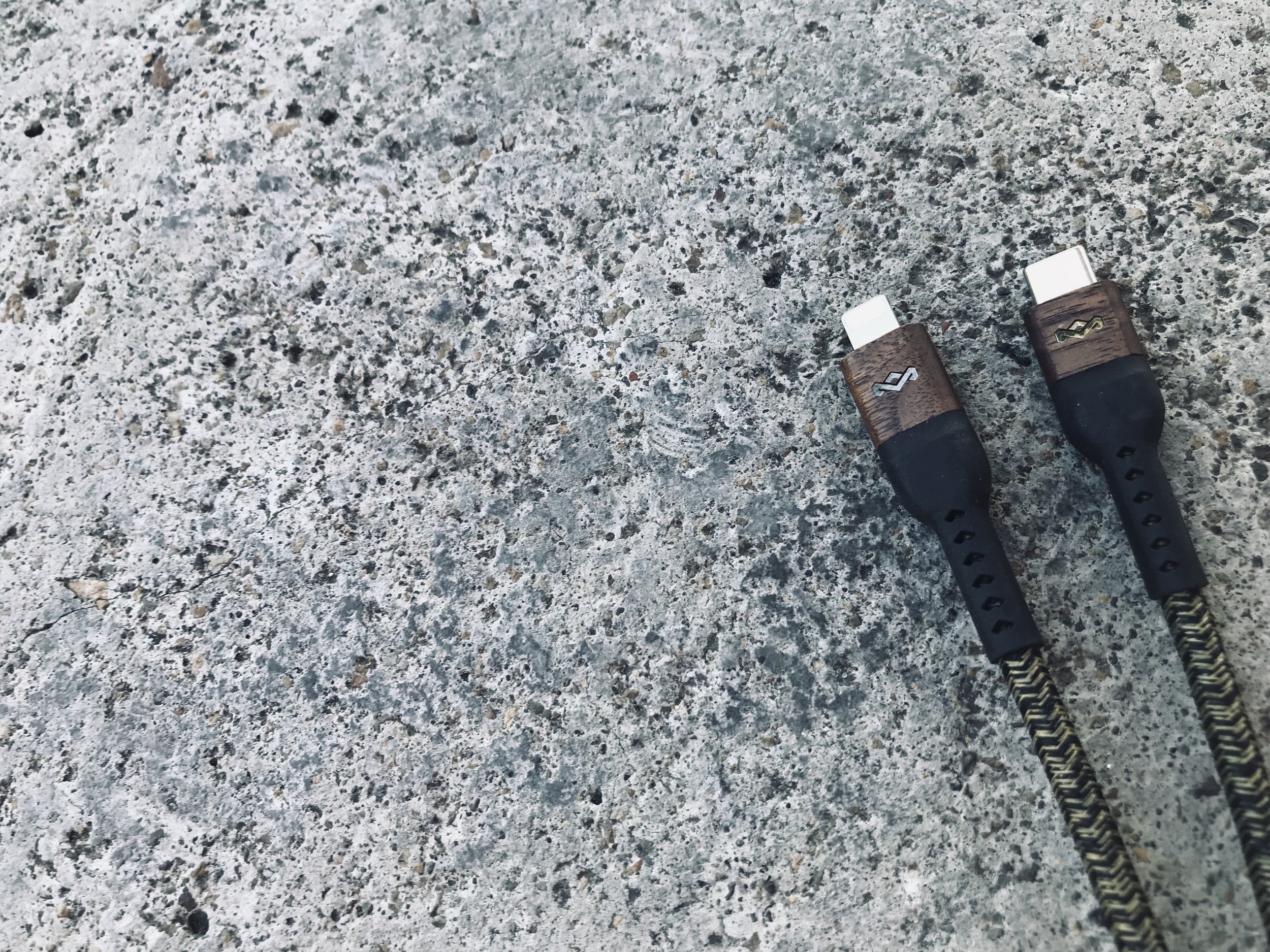
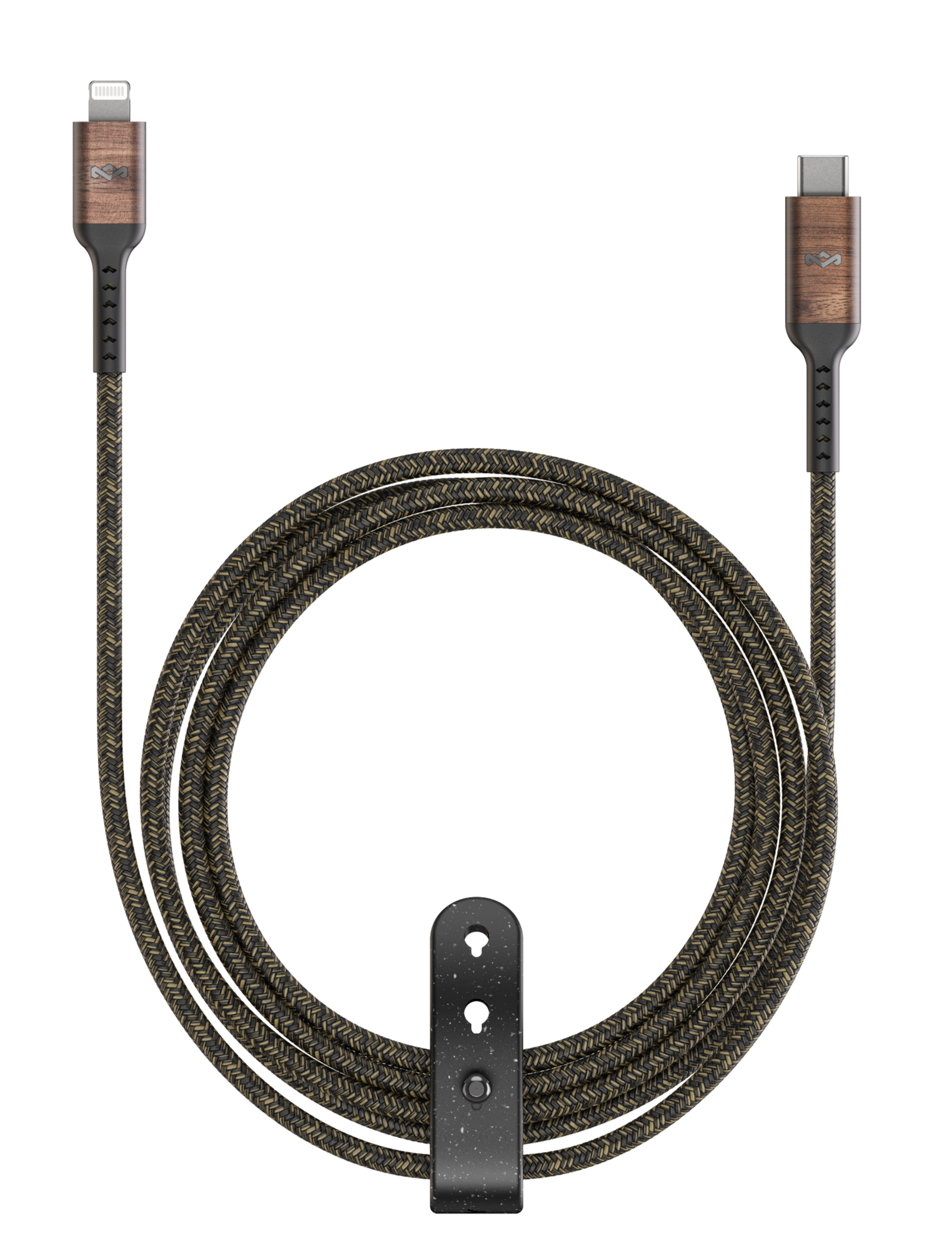
Used braided cable texture, connector details, and finish choices to reinforce brand identity.
Durability-Focused Development
Balanced cable flexibility, strain relief, connector construction, and perceived quality.
Retail and E-Commerce Readiness
Supported packaging, compatibility messaging, product imagery, and consumer-facing feature communication.
Development Approach
-
The product needed to perform in daily charging scenarios while feeling more considered than a commodity cable.
The use case focused on:
Phone, tablet, and mobile-device charging
Desk, travel, backpack, and nightstand use
Repeated plugging and unplugging
Cable flexibility and handling
Connector durability
Easy compatibility recognition
Compact retail packaging
Clear value at shelf and online
The product needed to feel reliable, useful, and aligned with the House of Marley brand from first touch.
-
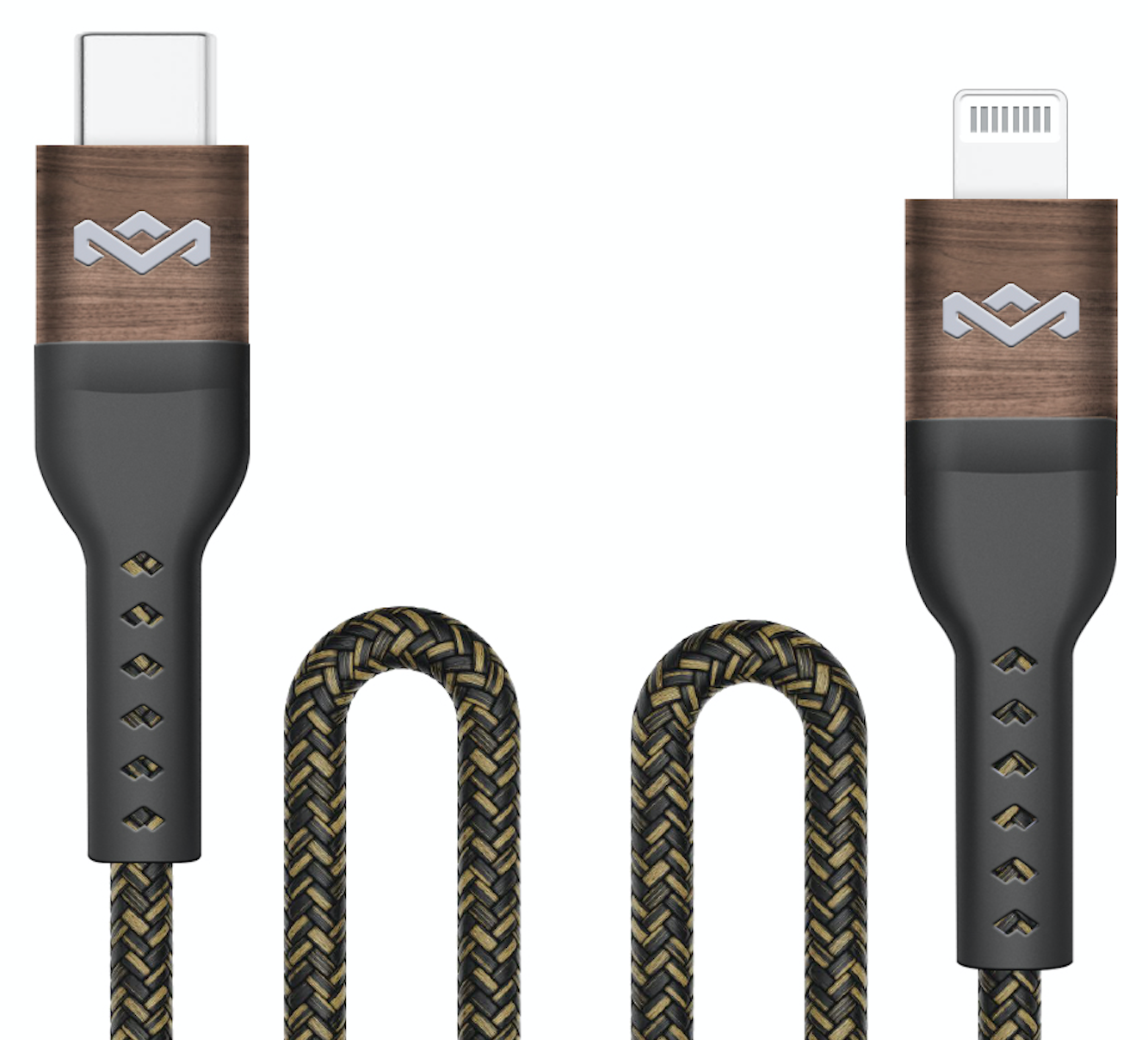
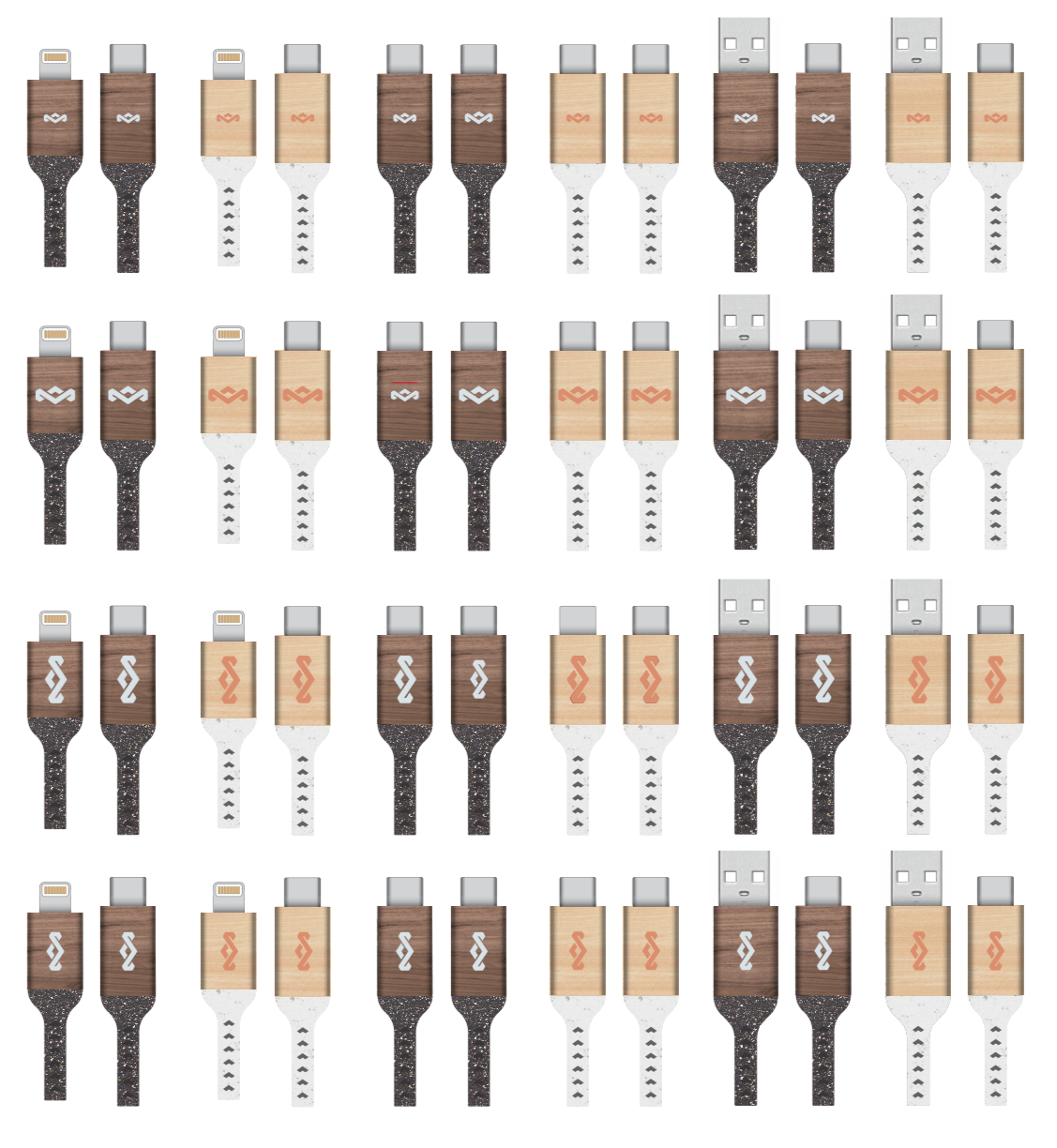
REWIND needed to feel like part of the House of Marley ecosystem rather than a generic cable with branding applied.
Development focused on:
Natural and recycled material cues
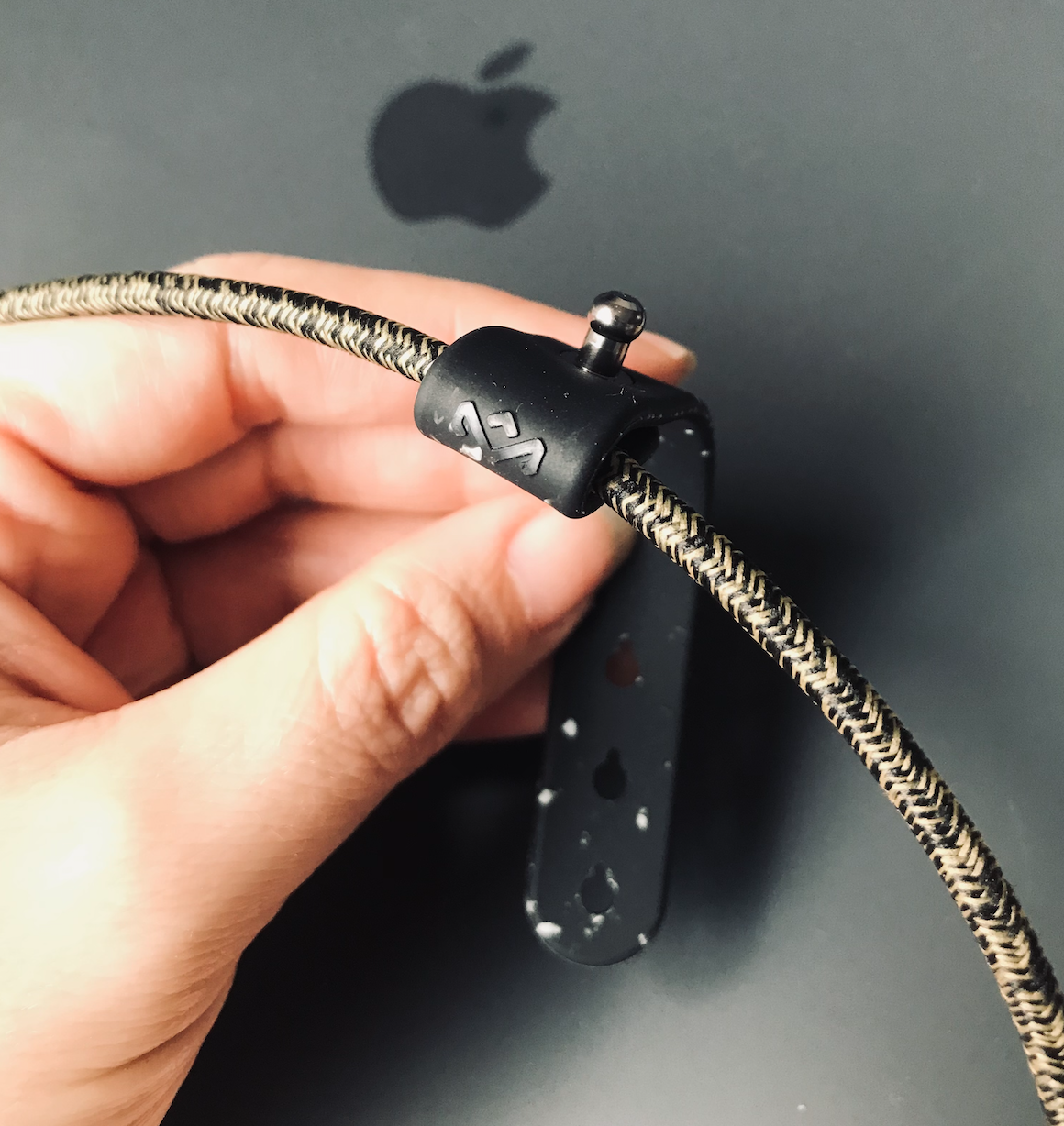
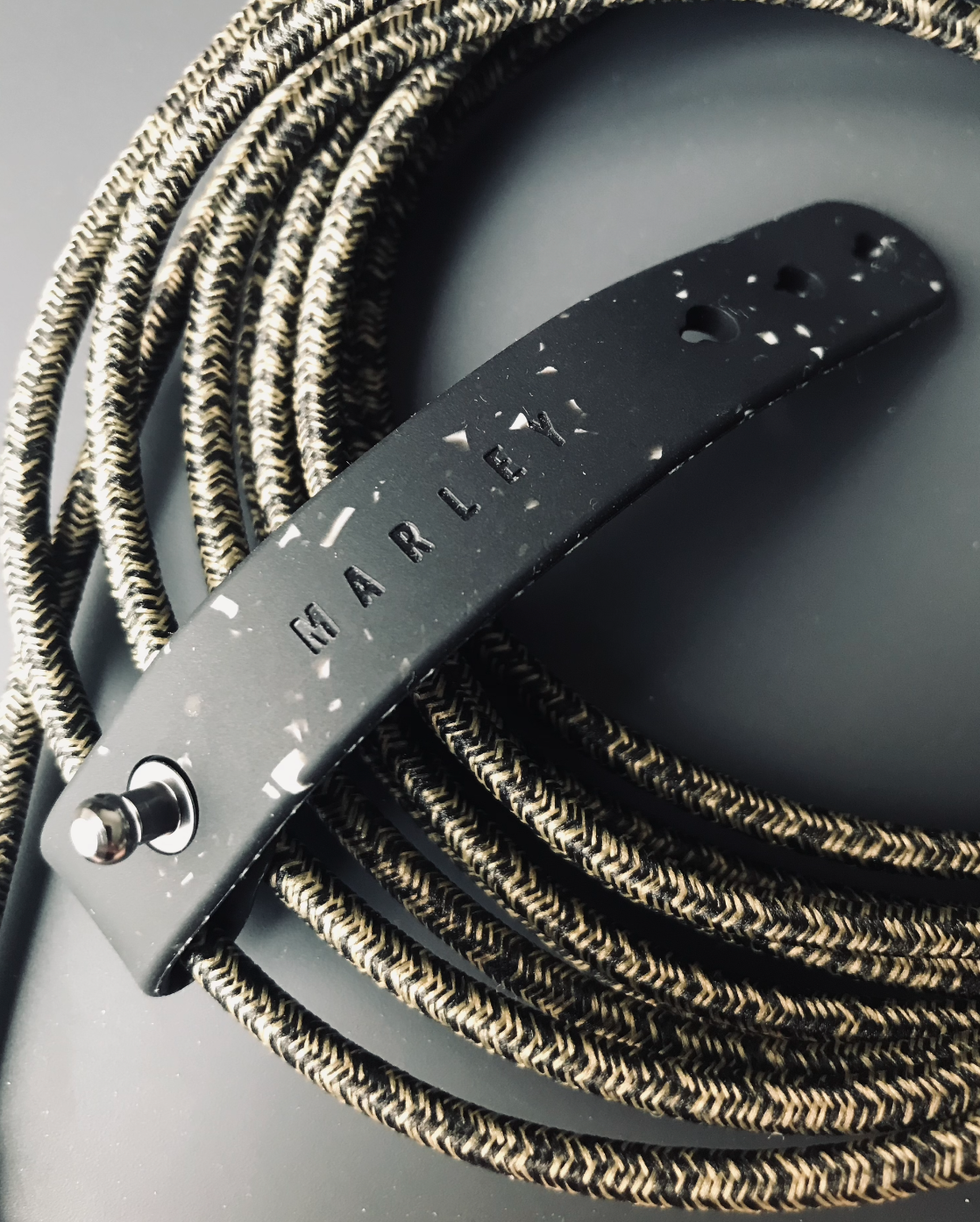
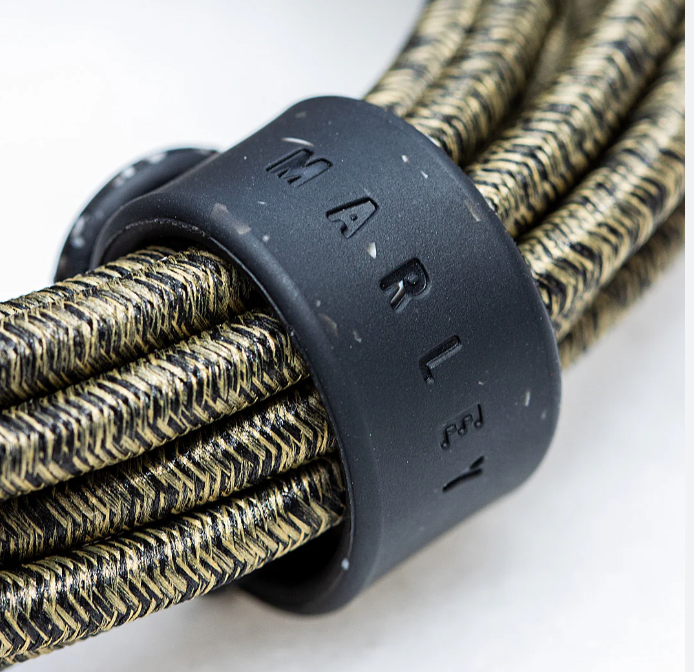
Fabric-braided cable texture
Wood-inspired or brand-aligned connector details
Consistent color and finish direction
Tactile quality
Minimal visual clutter
Cohesion with House of Marley audio and charging products
The material strategy gave the product a stronger identity in a category where many accessories look interchangeable.
-
Charging cables live under real-world stress: bending, coiling, travel, desk use, repeated handling, and frequent connector movement.
Development review focused on:
Cable flexibility
Braided material feel
Connector housing quality
Strain relief
Bend points
Surface wear
Grip and handling
Perceived durability
Consistency across samples
The product needed to communicate durability without feeling stiff, bulky, or overbuilt.
-
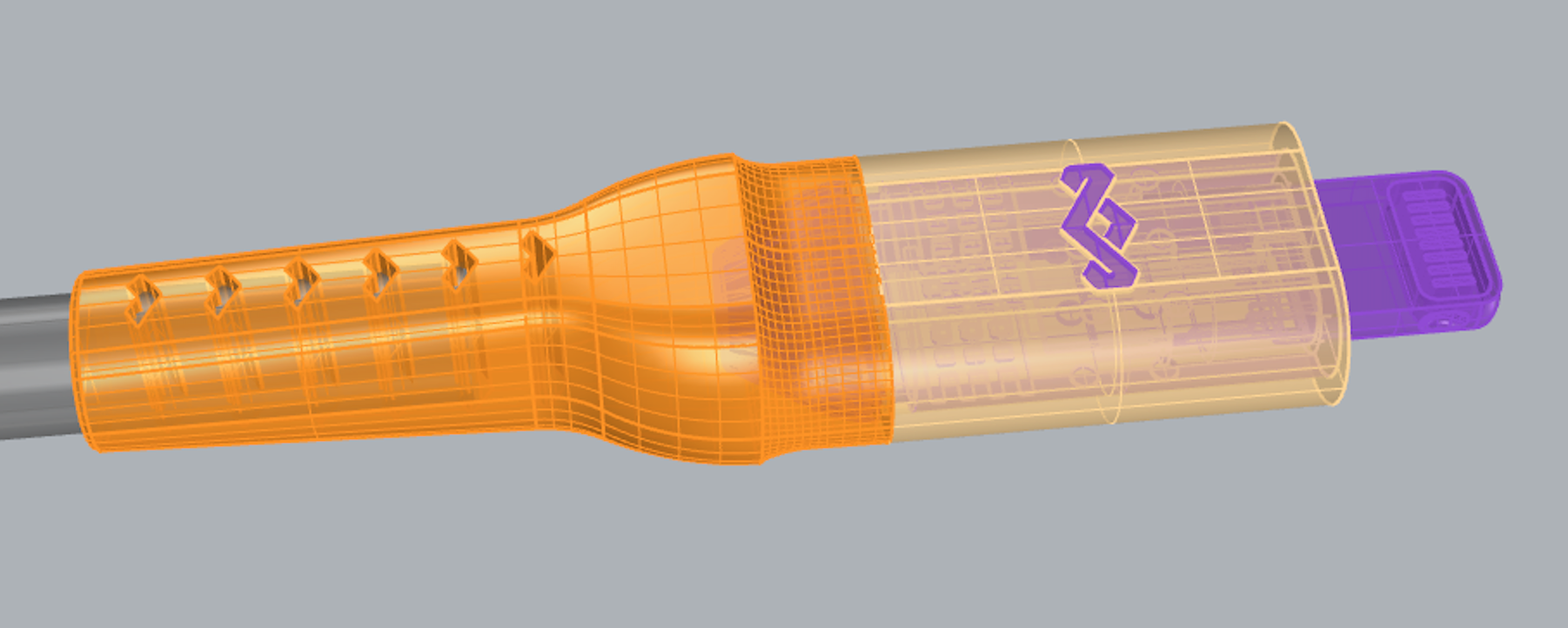
Connector areas are critical on charging cables because they carry both functional and perceived-quality expectations.
Review areas included:
Connector housing size
Grip surfaces
Cable-to-connector transition
Strain-relief length and flexibility
Compatibility with phone cases and device ports
Finish consistency
Branding placement
Long-term handling considerations
Small details around the connector could affect customer trust, ease of use, and perceived value.
-
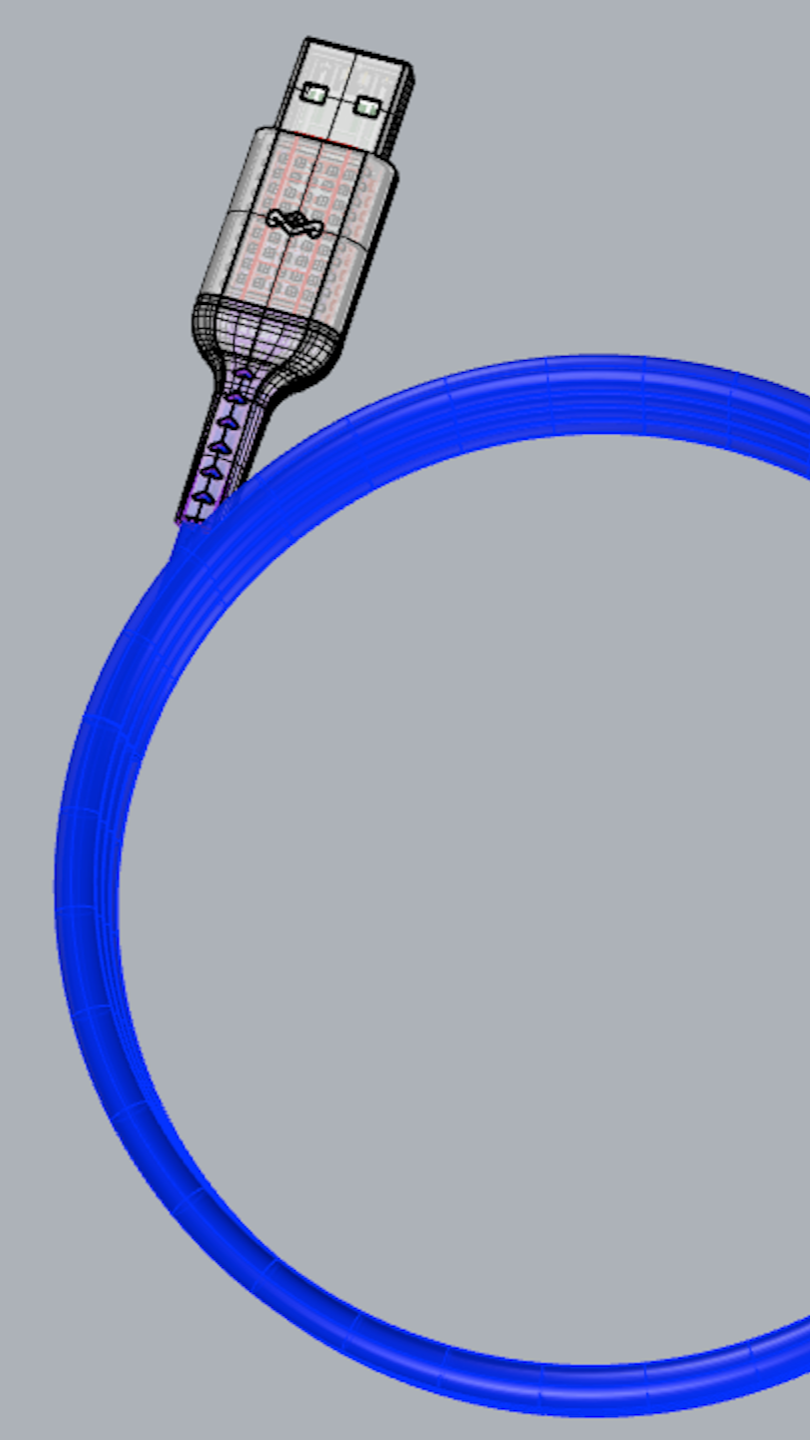
The cable program required supplier coordination across material samples, connector construction, finish quality, packaging fit, and production readiness.
Supplier coordination focused on:
Cable construction and material samples
Connector housing execution
Strain-relief performance
Compatibility requirements
Cable length and SKU details
Finish and color consistency
Packaging fit and protection
Cost and BOM considerations
Production-readiness feedback
Sample review cycles helped refine the relationship between material story, durability, and final product execution.
-
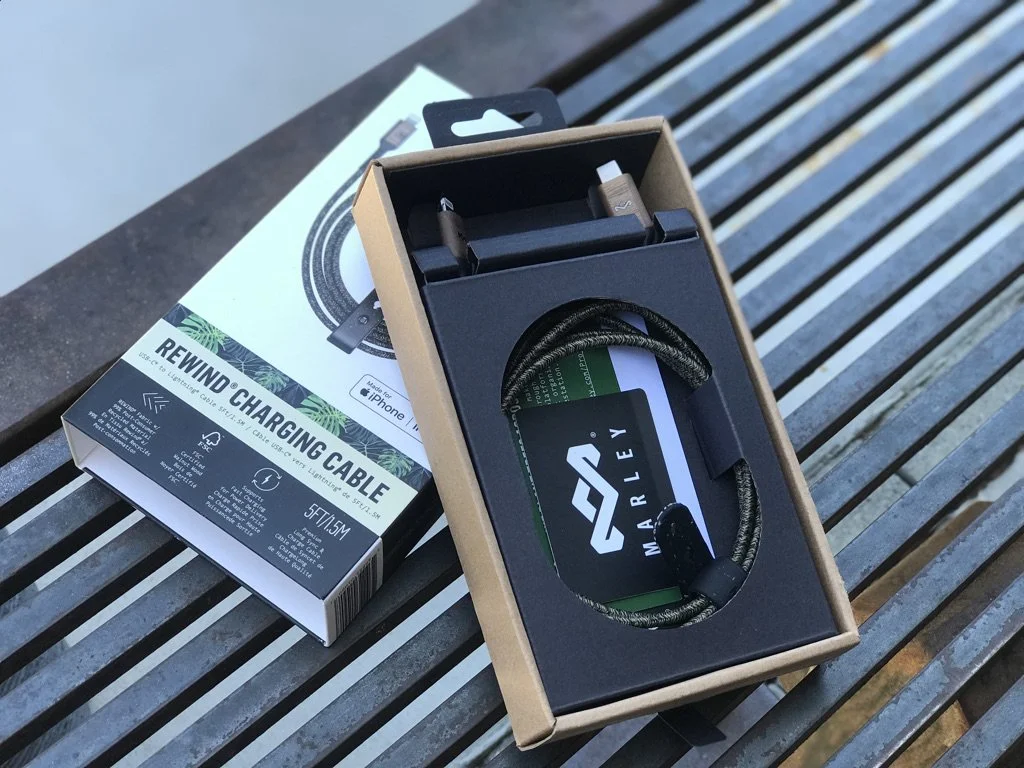
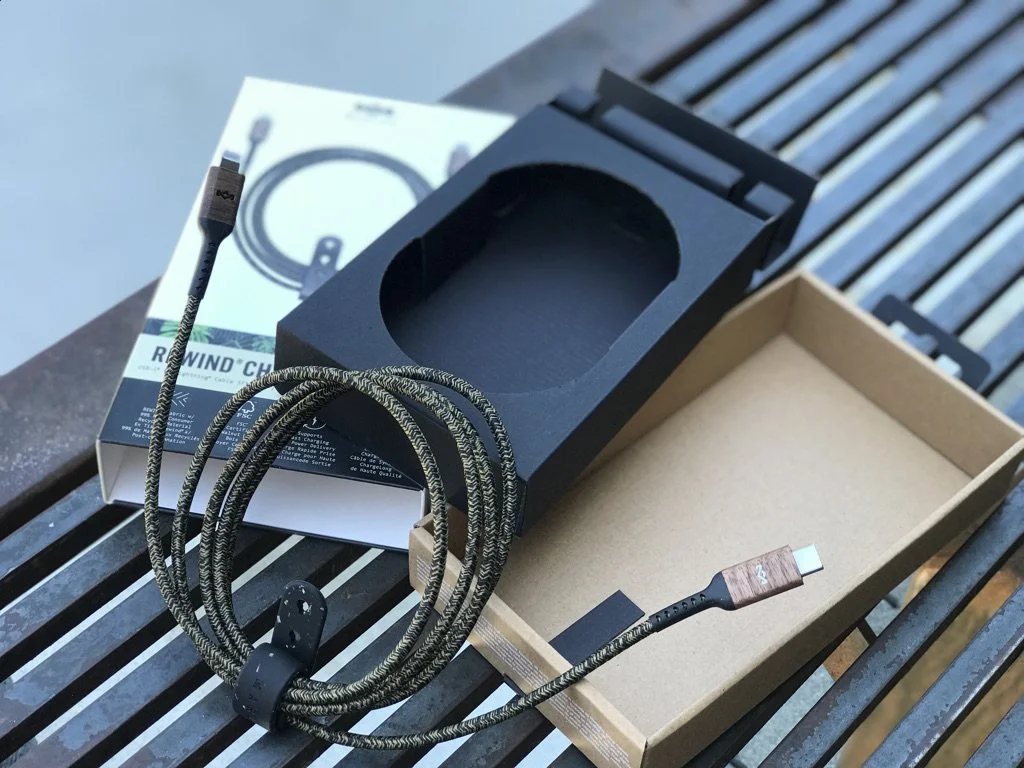
The packaging needed to explain connector compatibility, product durability, and House of Marley’s material story quickly.
Retail and e-commerce communication focused on:
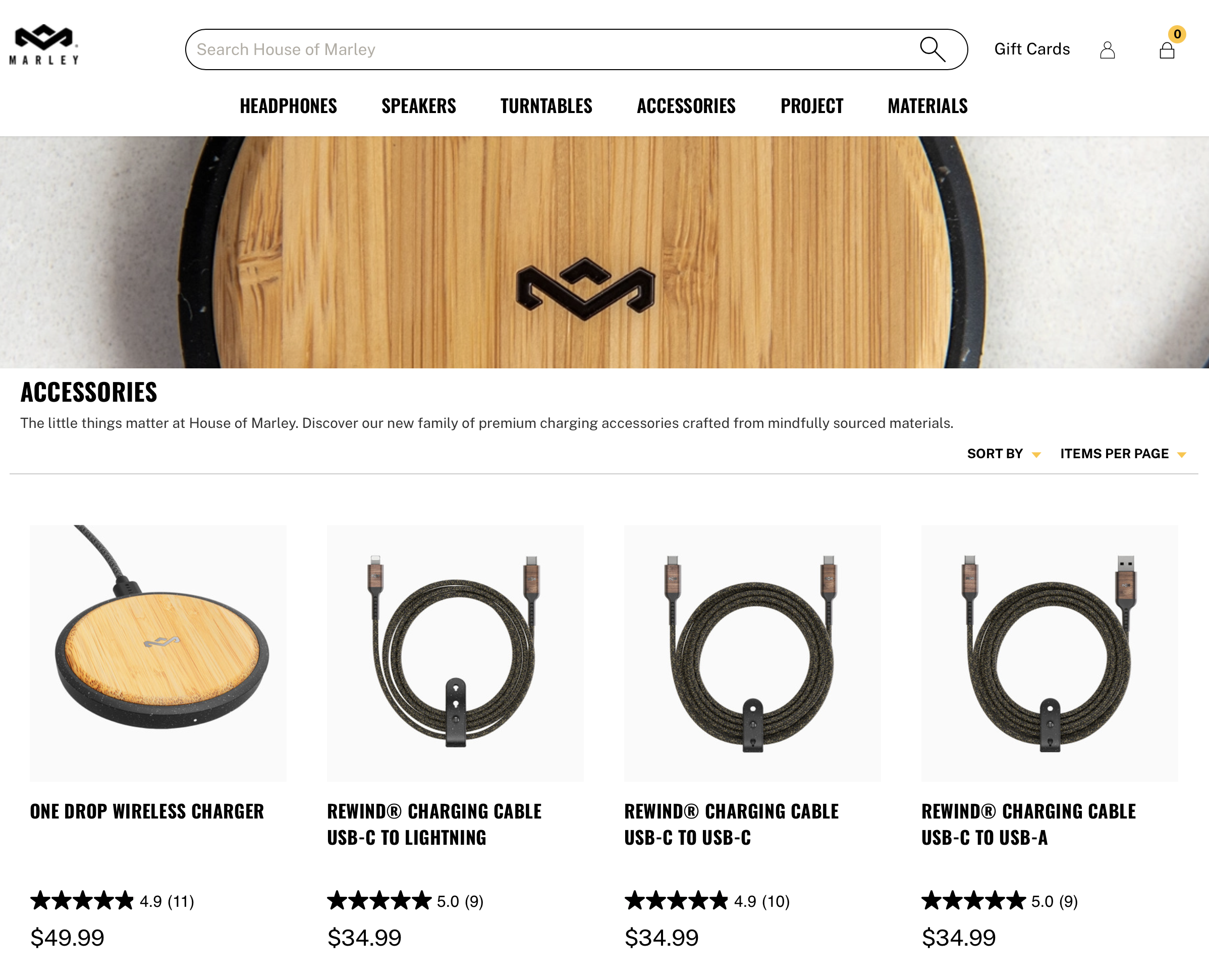
Connector type and device compatibility
Cable length
Durable construction
Braided material detail
Sustainable material positioning
Brand and lifestyle cues
Product imagery
Feature callouts
Shelf clarity
E-commerce readability
The goal was to make the product immediately understandable as a charging accessory while also differentiating it through material and brand story.


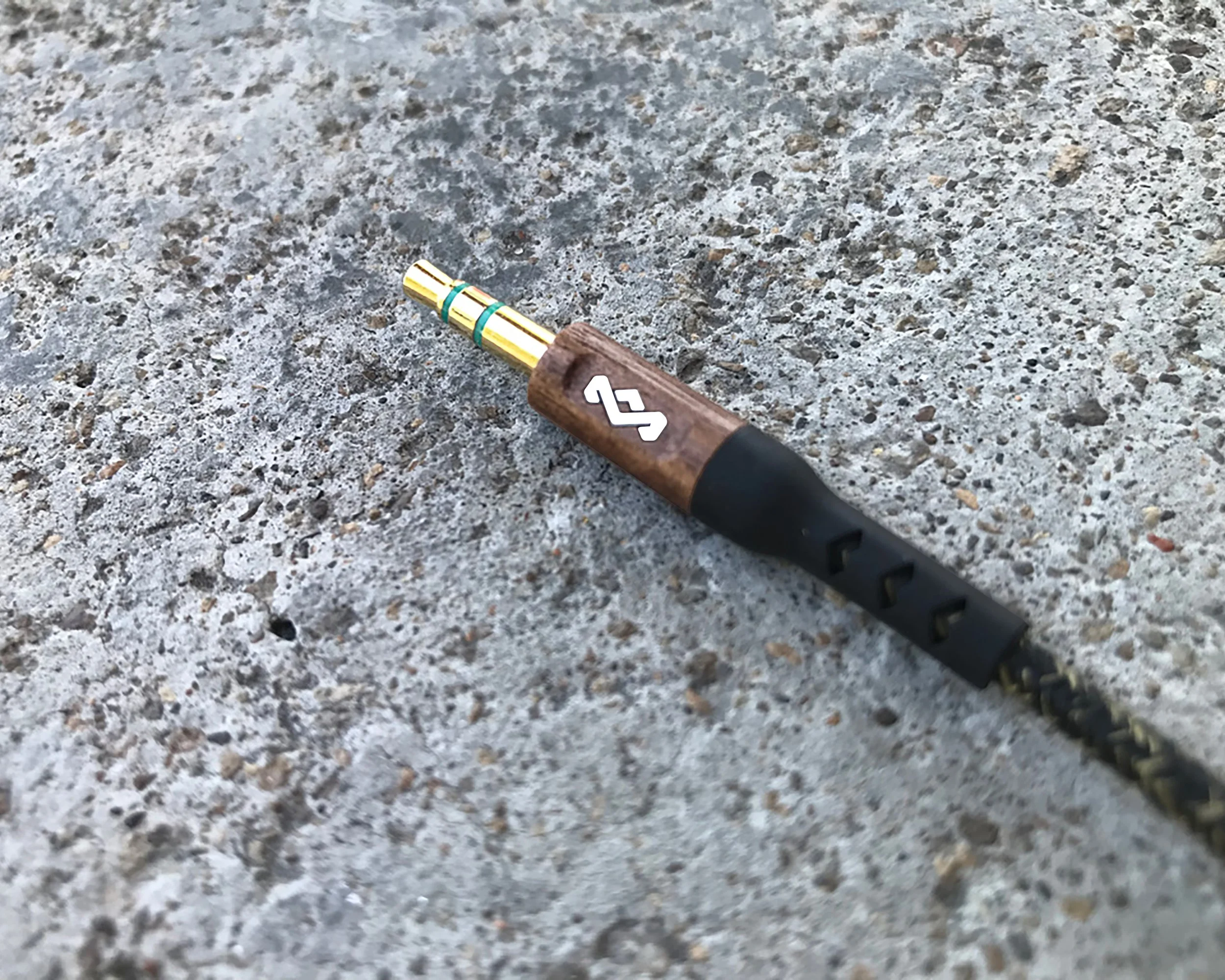
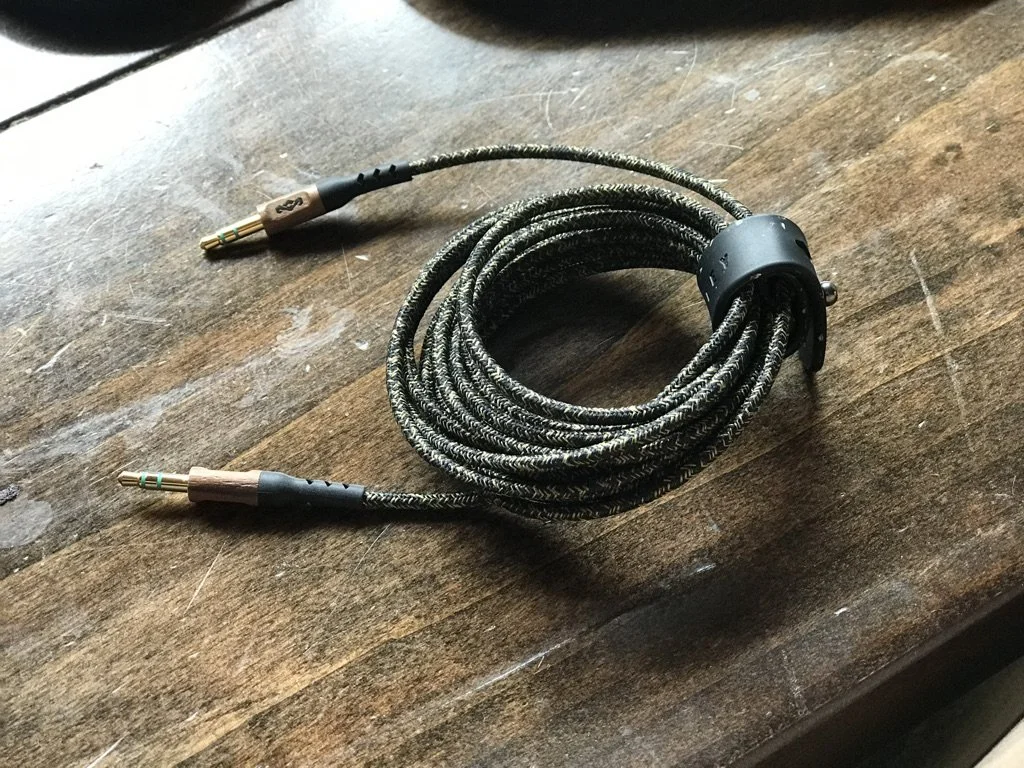
Line Extension: REWIND Auxiliary Cable
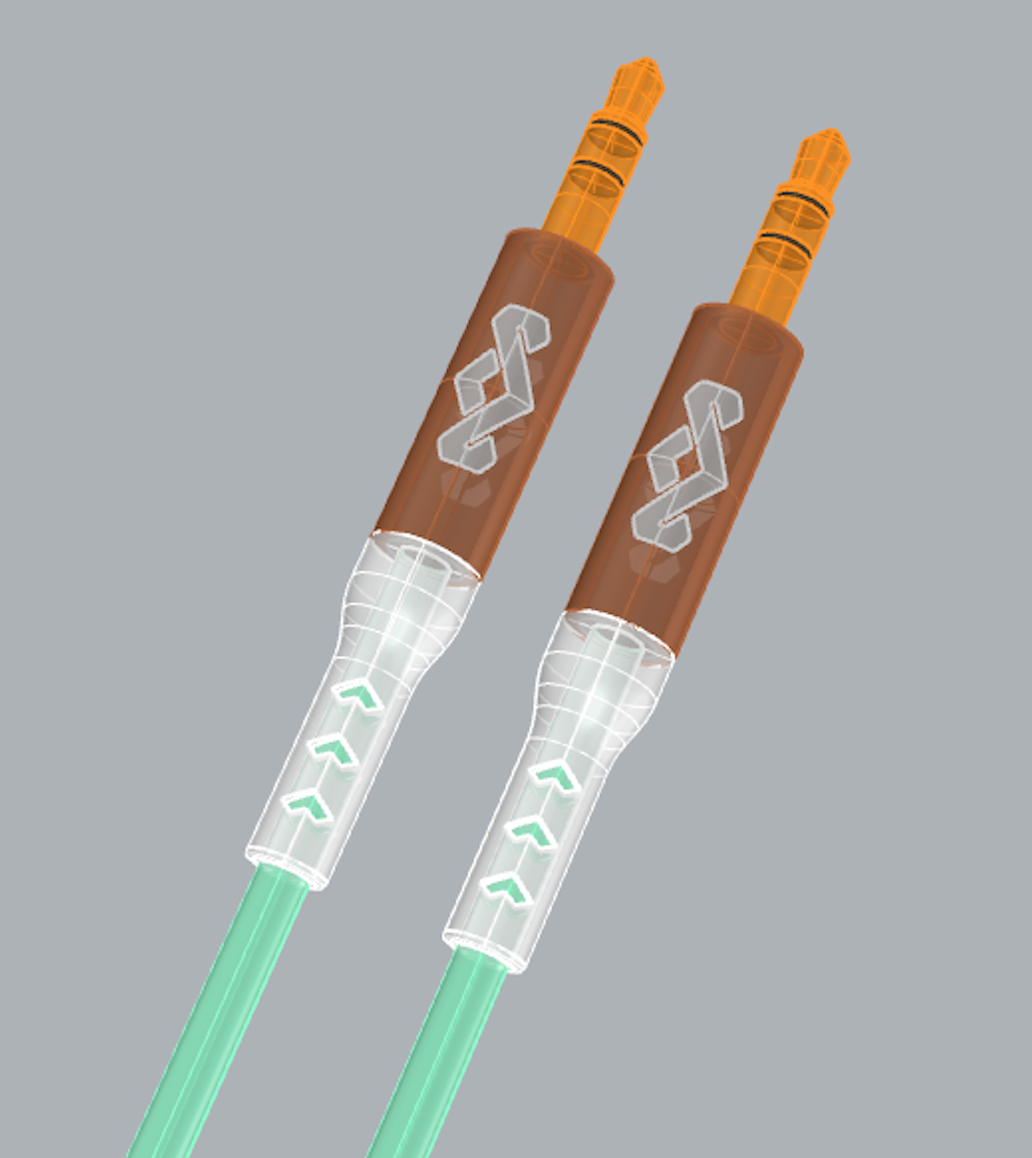
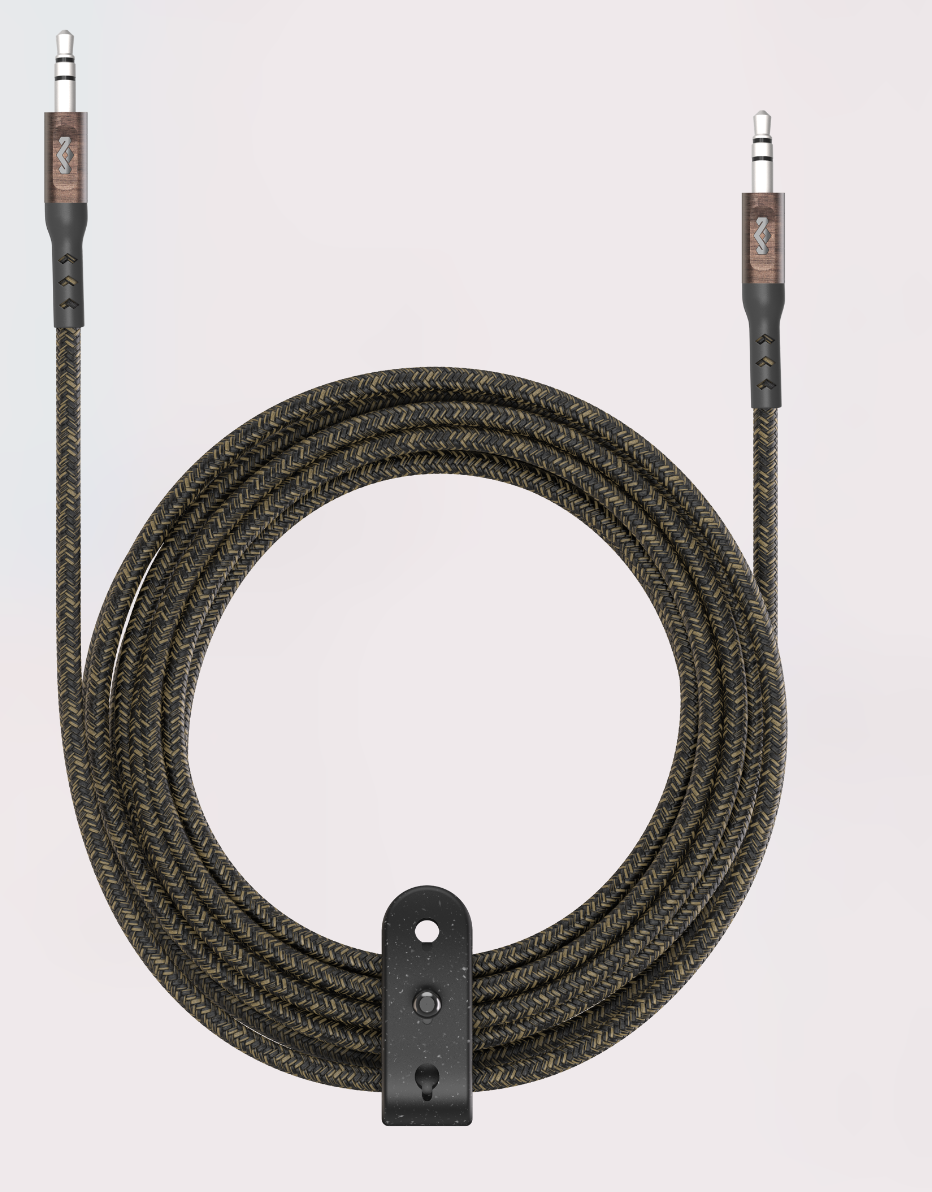
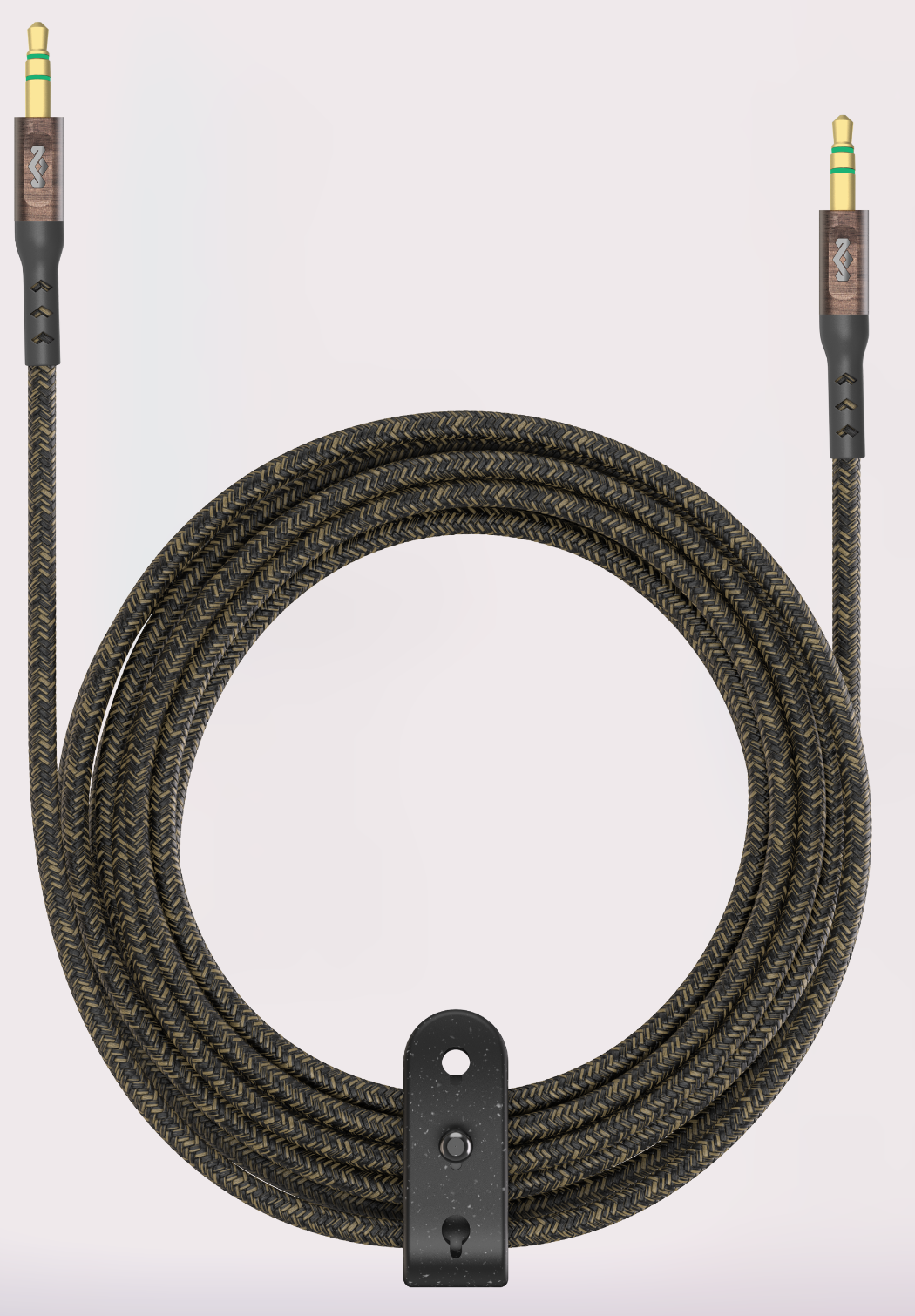
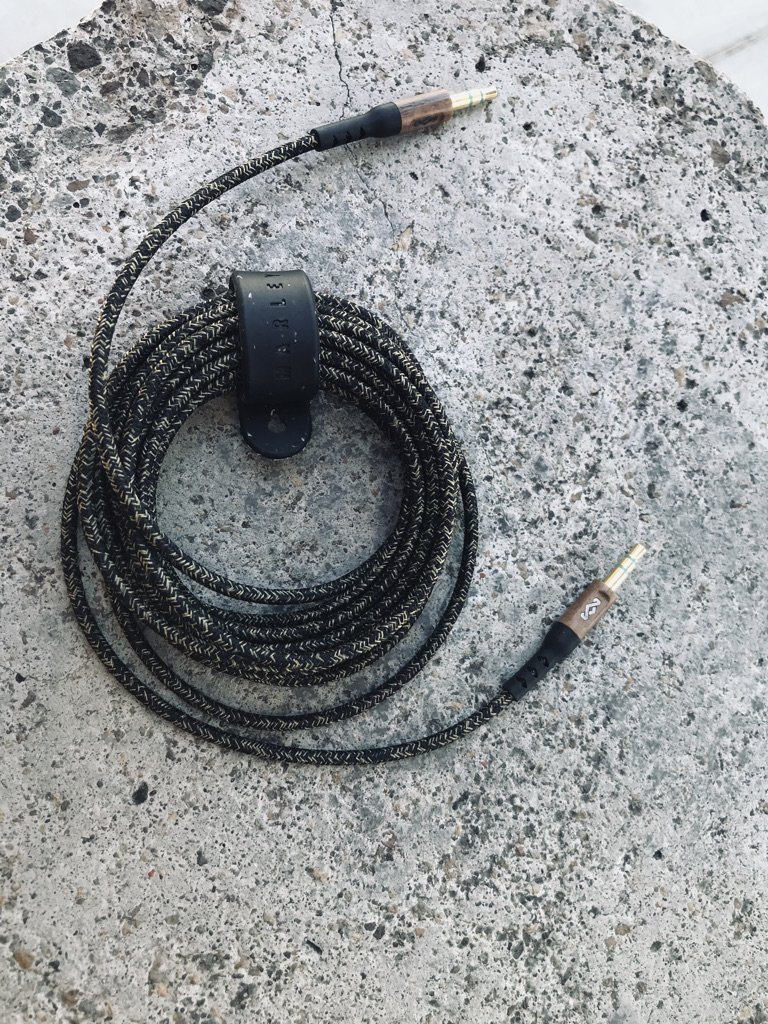
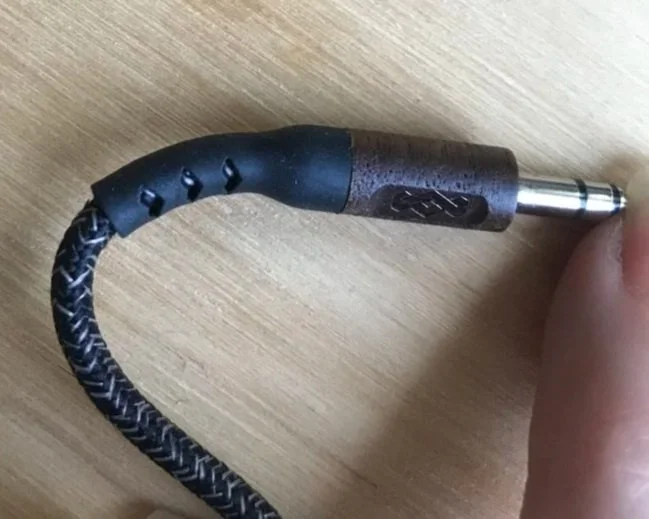
The REWIND cable program also extended to an auxiliary audio cable, bringing the same sustainable material language and tactile product detailing to a traditional wired audio accessory.
The auxiliary cable supported House of Marley’s broader audio ecosystem by connecting mobile devices, speakers, headphones, turntables, and other compatible audio products via a familiar 3.5mm connection.
Development considerations included cable flexibility, braided material feel, connector housing detail, strain relief, finish consistency, packaging communication, and alignment with the REWIND charging cable family.
The product helped reinforce the cable program as a cohesive accessory collection rather than a single charging-cable execution.