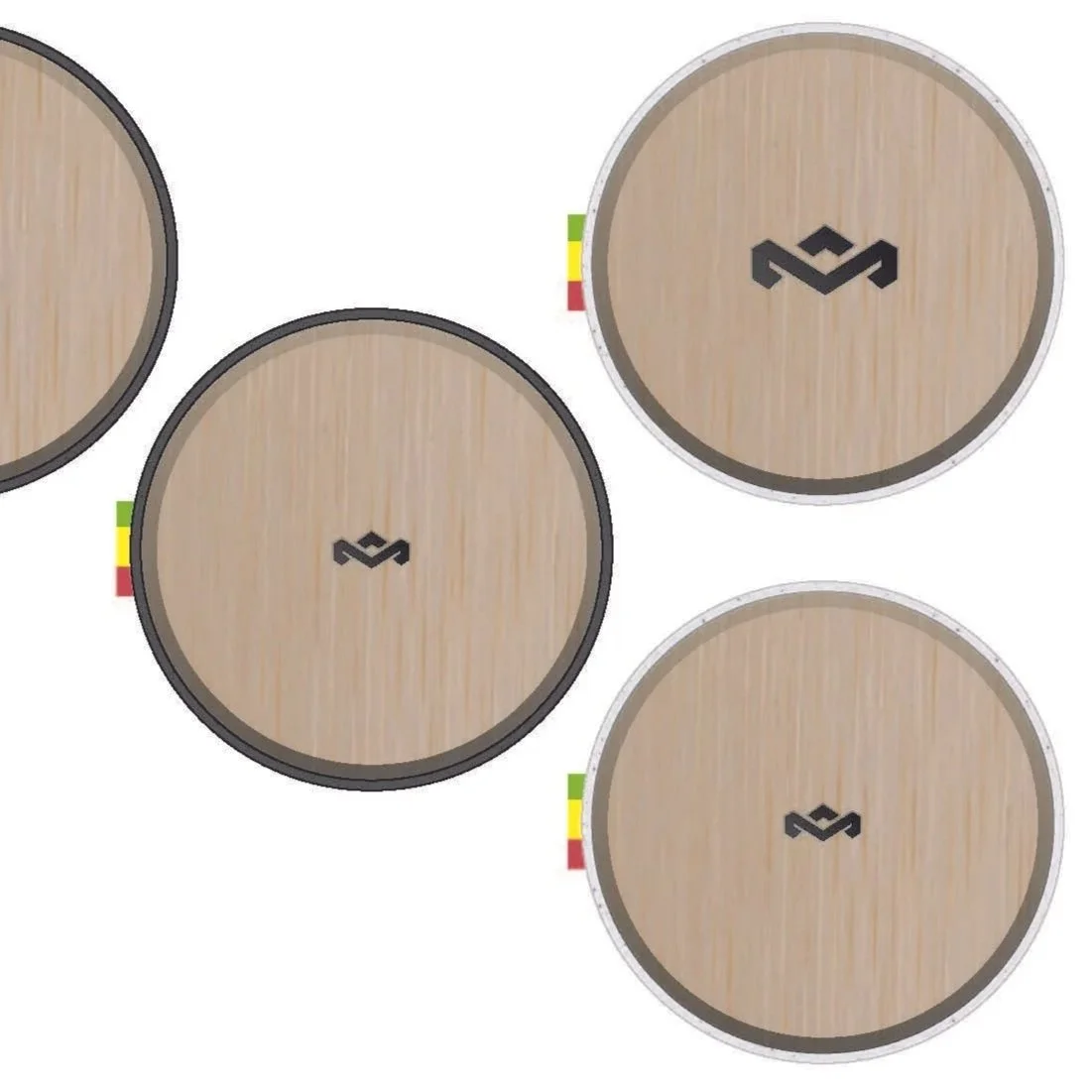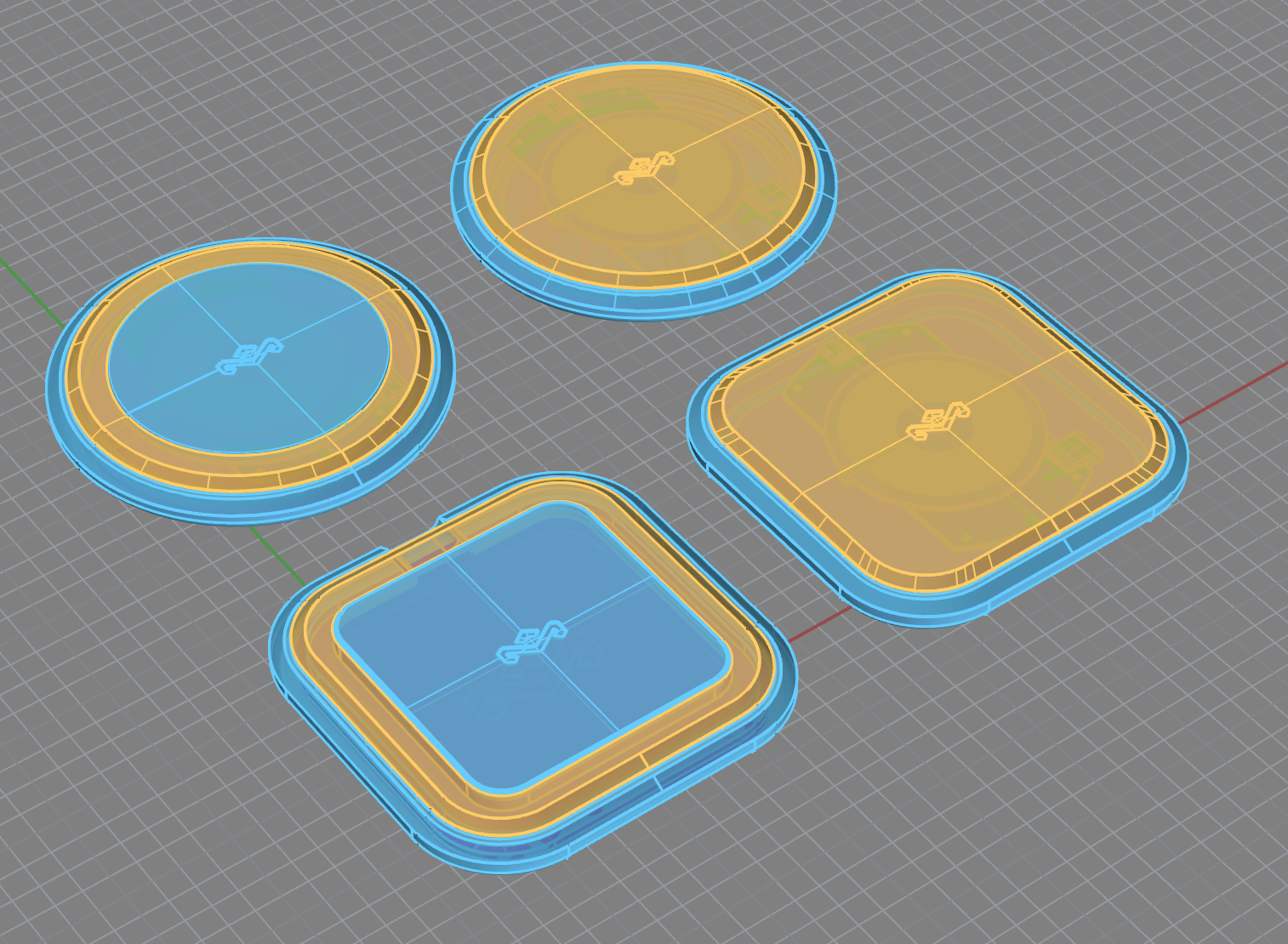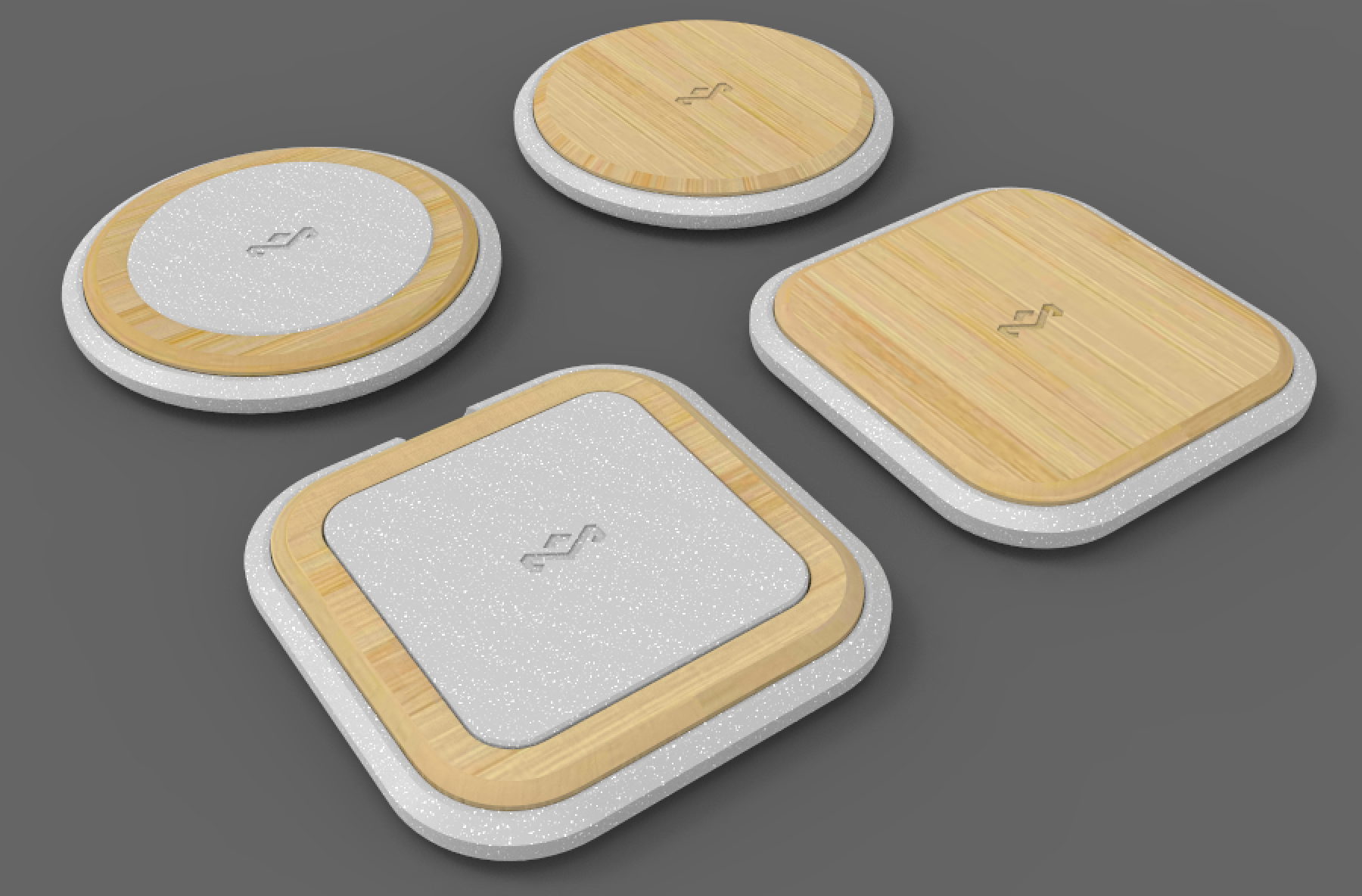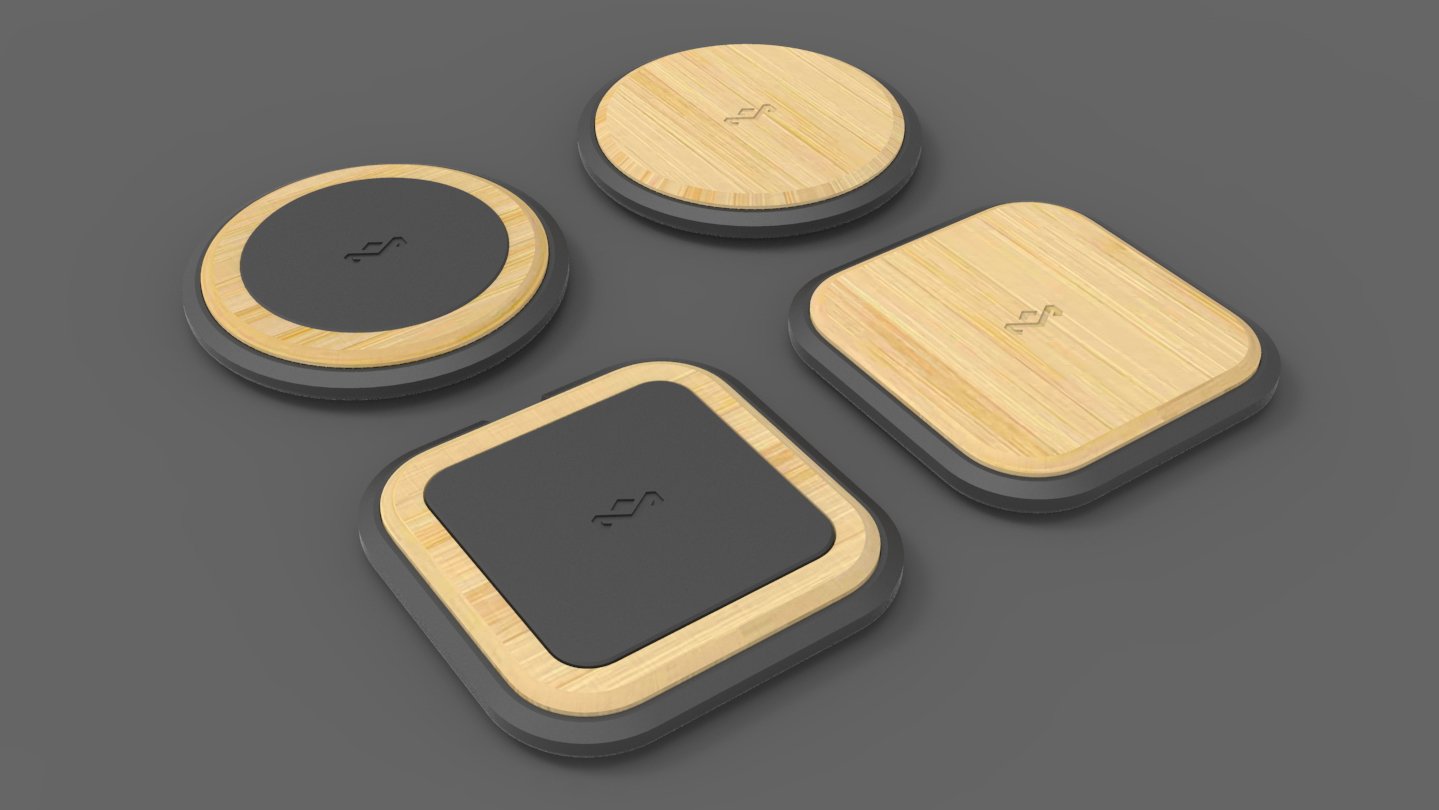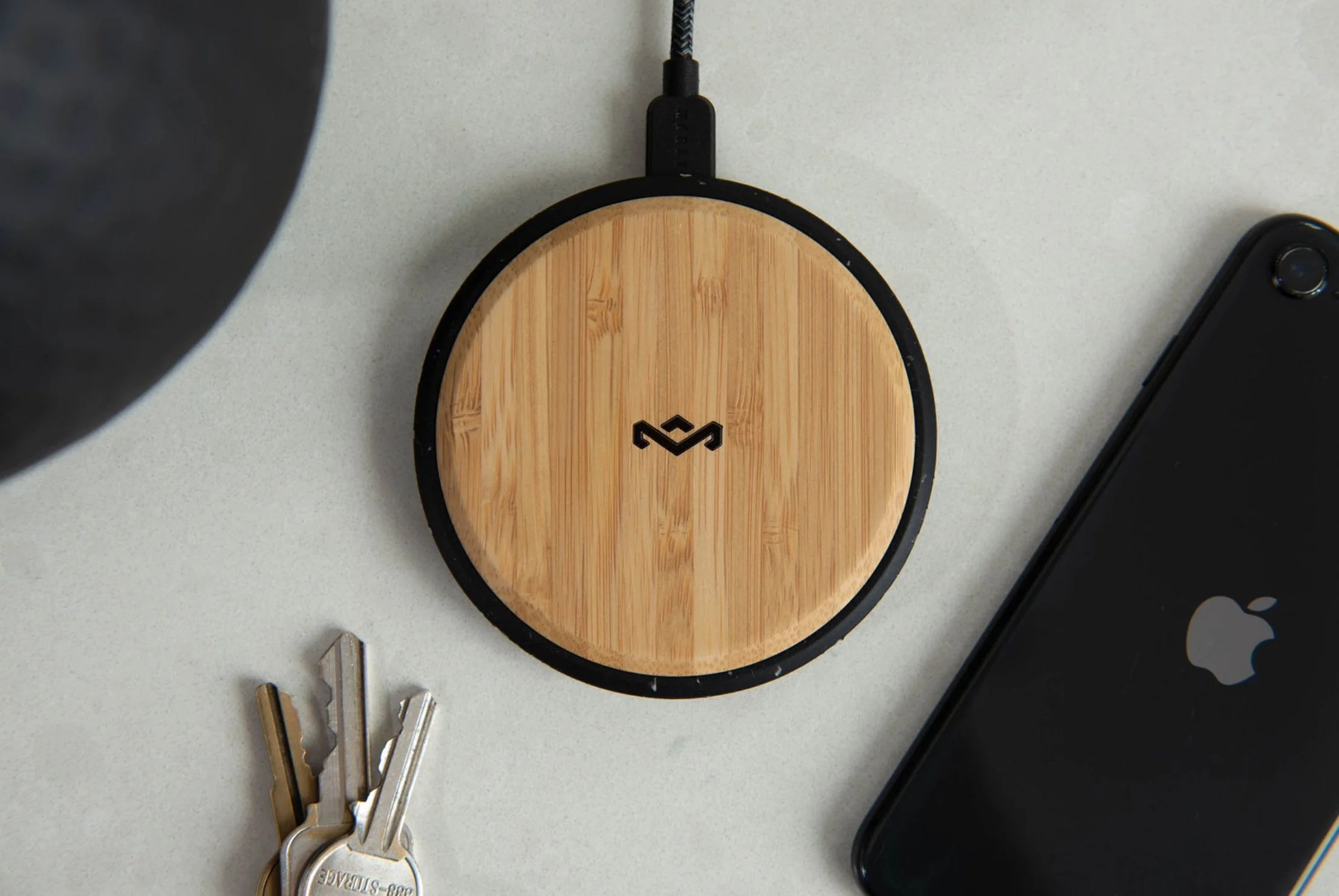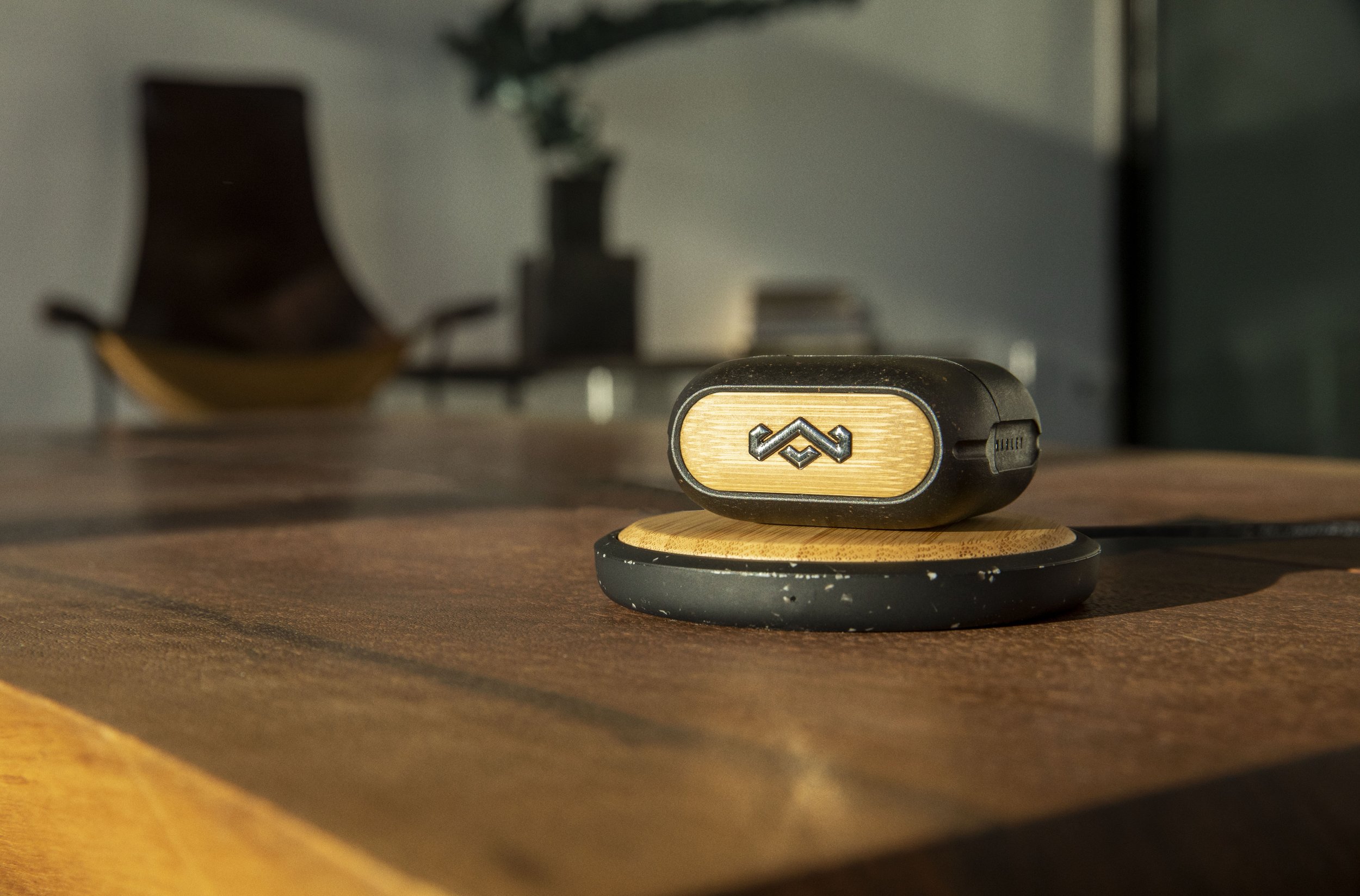
House of Marley One Drop Wireless Charger
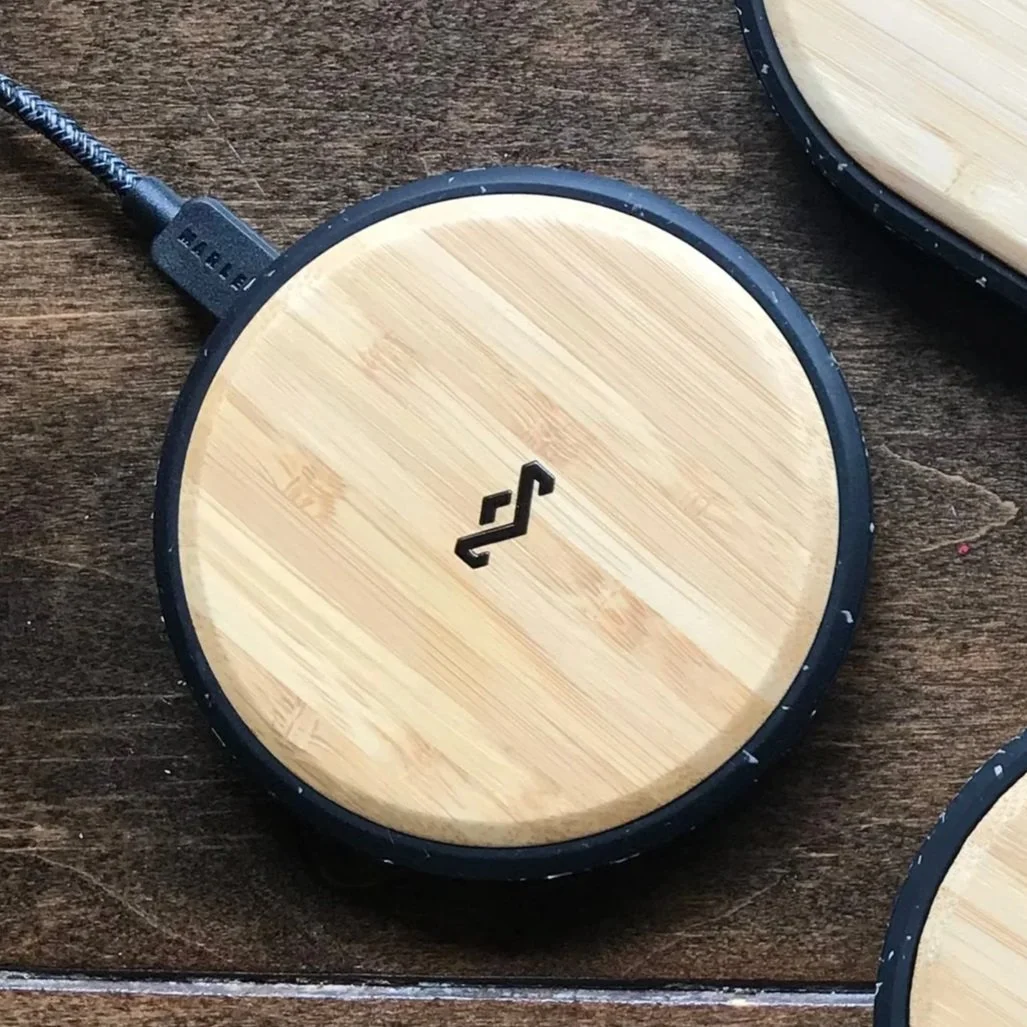
Sustainable Wireless Charging Accessory Case Study
A wireless charging pad developed for House of Marley, combining everyday consumer electronics functionality with renewable and recycled material strategies.
One Drop balanced wireless charging performance, bamboo material integration, recycled-material brand language, supplier execution, packaging, and retail-ready commercialization.
Role: Product Development and Product Management
Brand: House of Marley
Category: Sustainable Consumer Electronics Accessories
Product Type: Wireless Charging Pad
Focus: Sustainable Materials, Wireless Charging, OEM Development, CMF, Packaging, Retail Launch
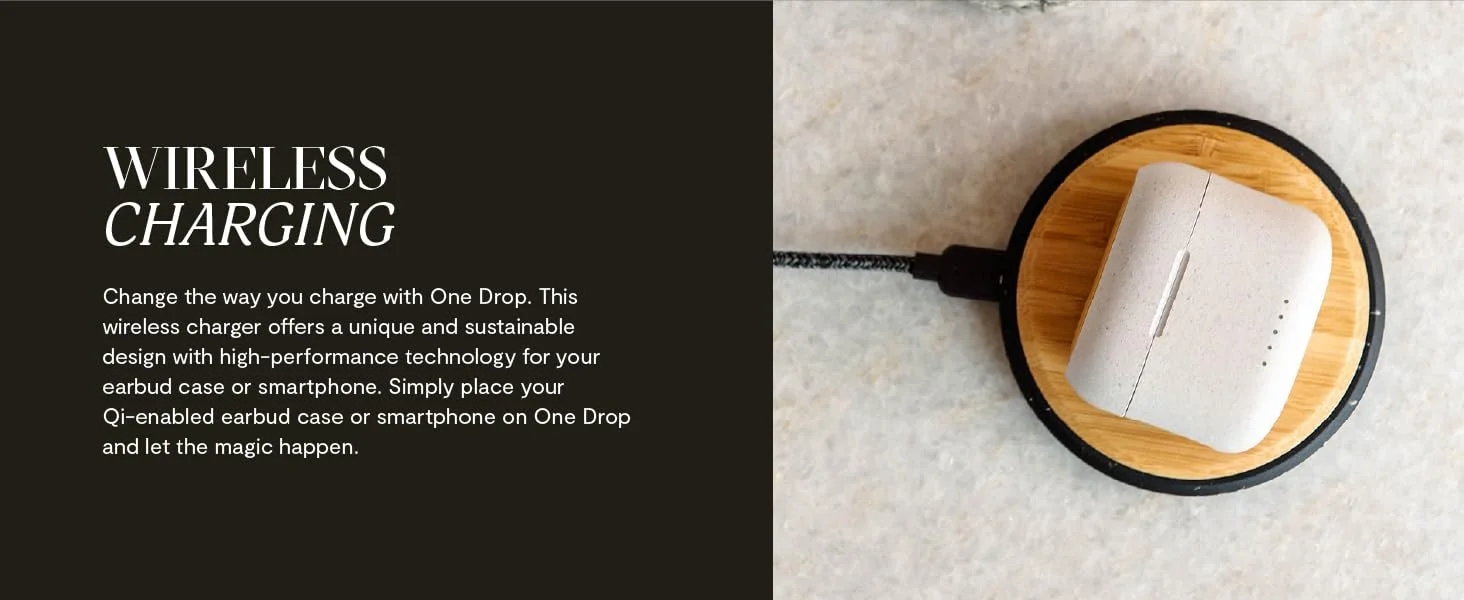
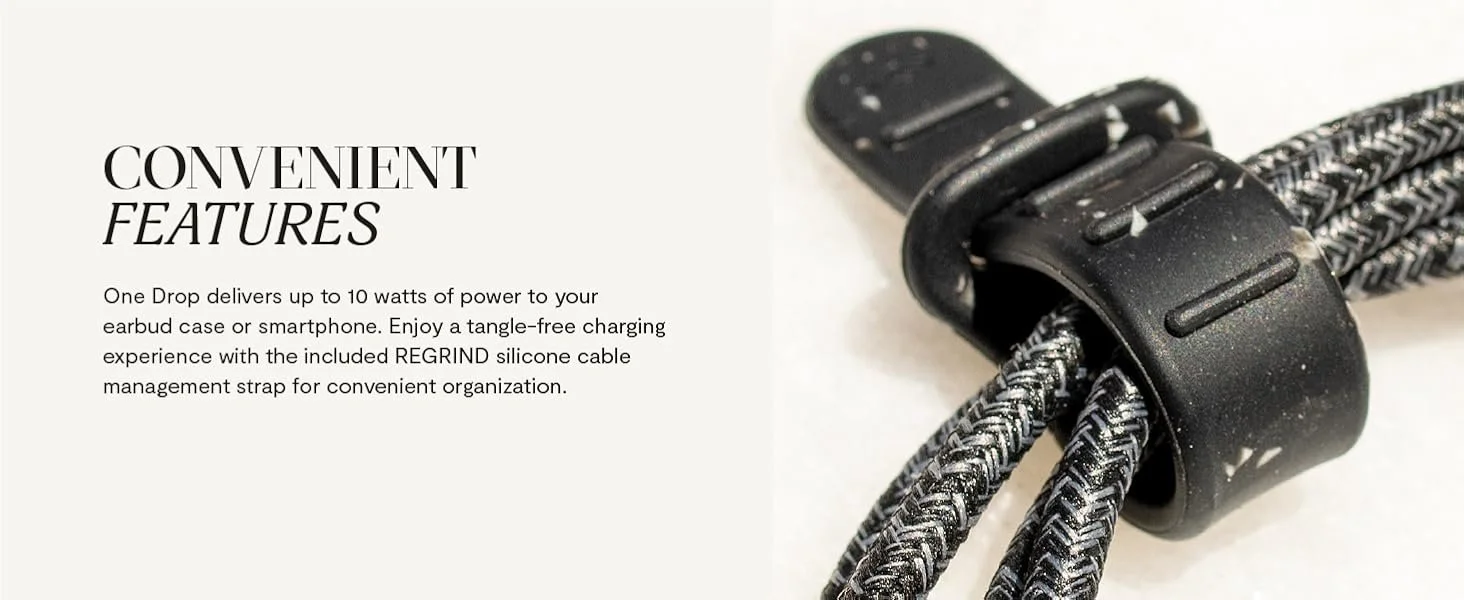
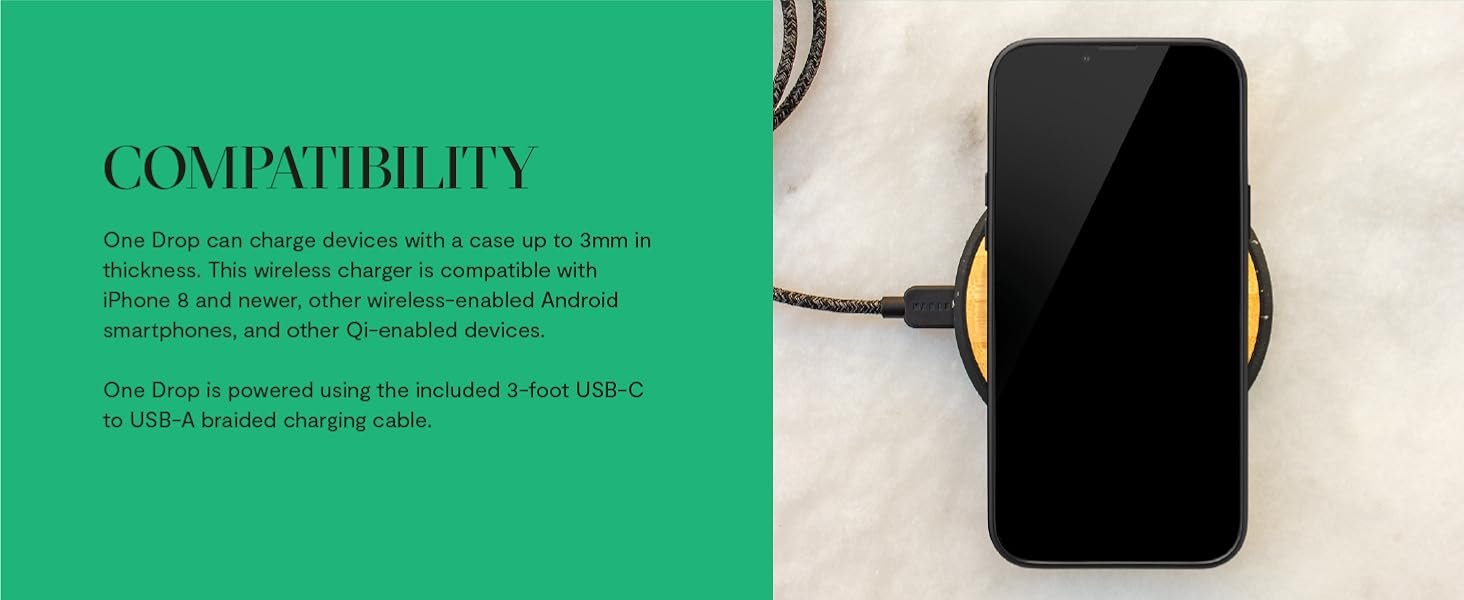
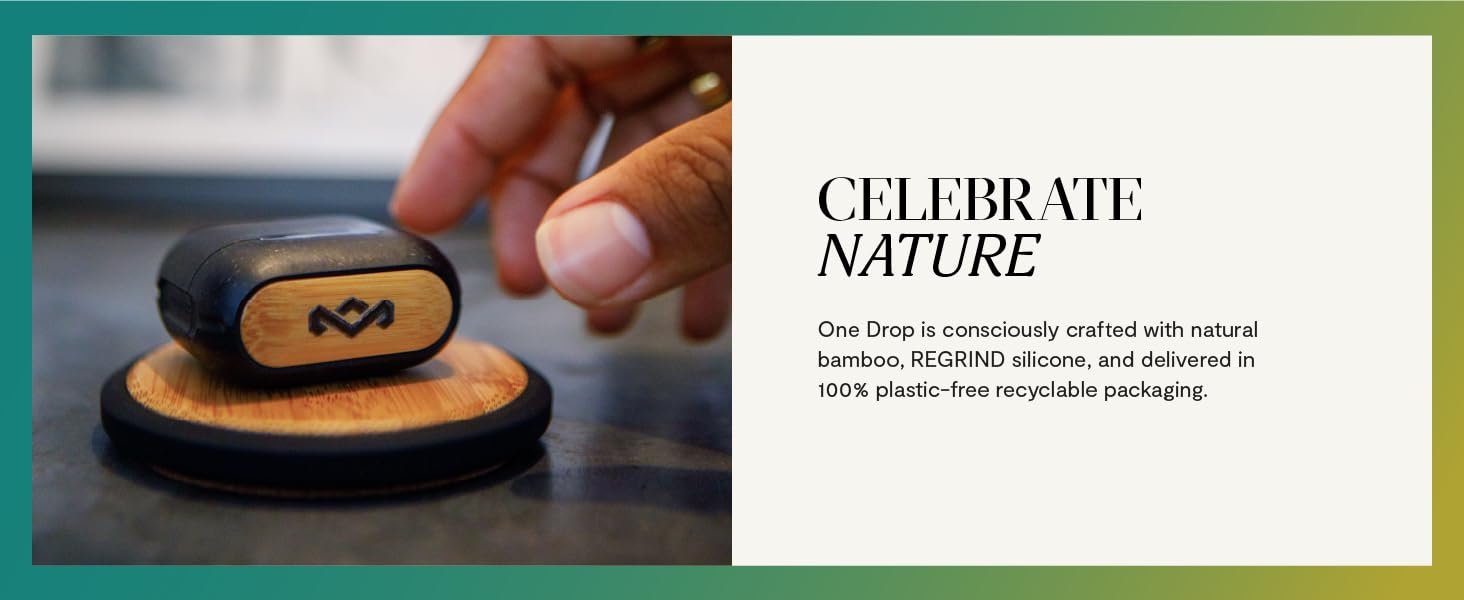
Project Overview
House of Marley is known for consumer electronics products that connect music, lifestyle, and sustainability through material-driven design.
The opportunity for One Drop was to extend that brand position into wireless charging: a high-utility mobile accessory that could support everyday device charging while still feeling clearly connected to the House of Marley product language.
The product needed to be simple, useful, compact, and commercially viable while carrying a stronger material story than a standard plastic charging pad.
The Opportunity
Wireless charging had become a crowded accessory category, with many products competing on price, wattage, size, and minimal industrial design differentiation.
The opportunity was to create a charger that stood apart through:
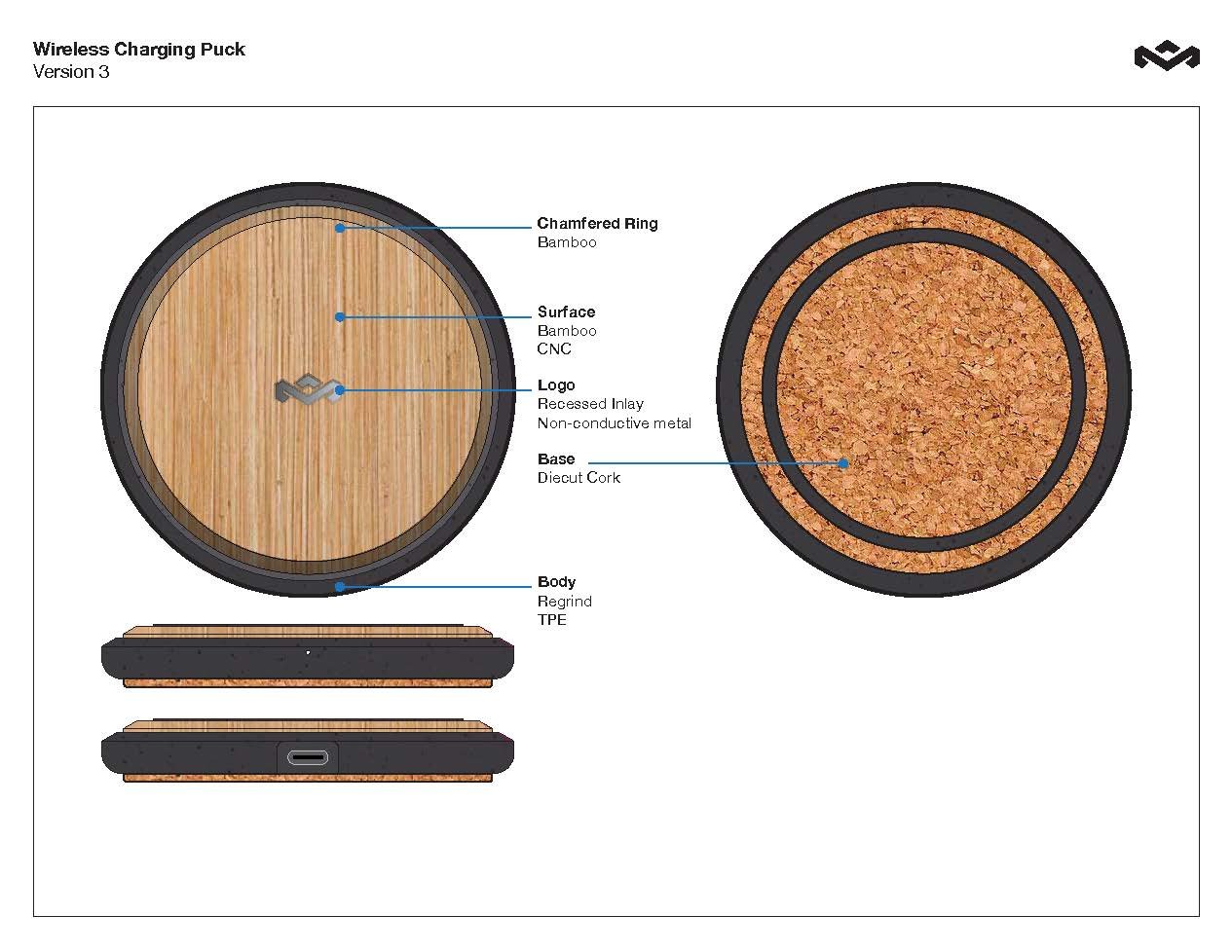
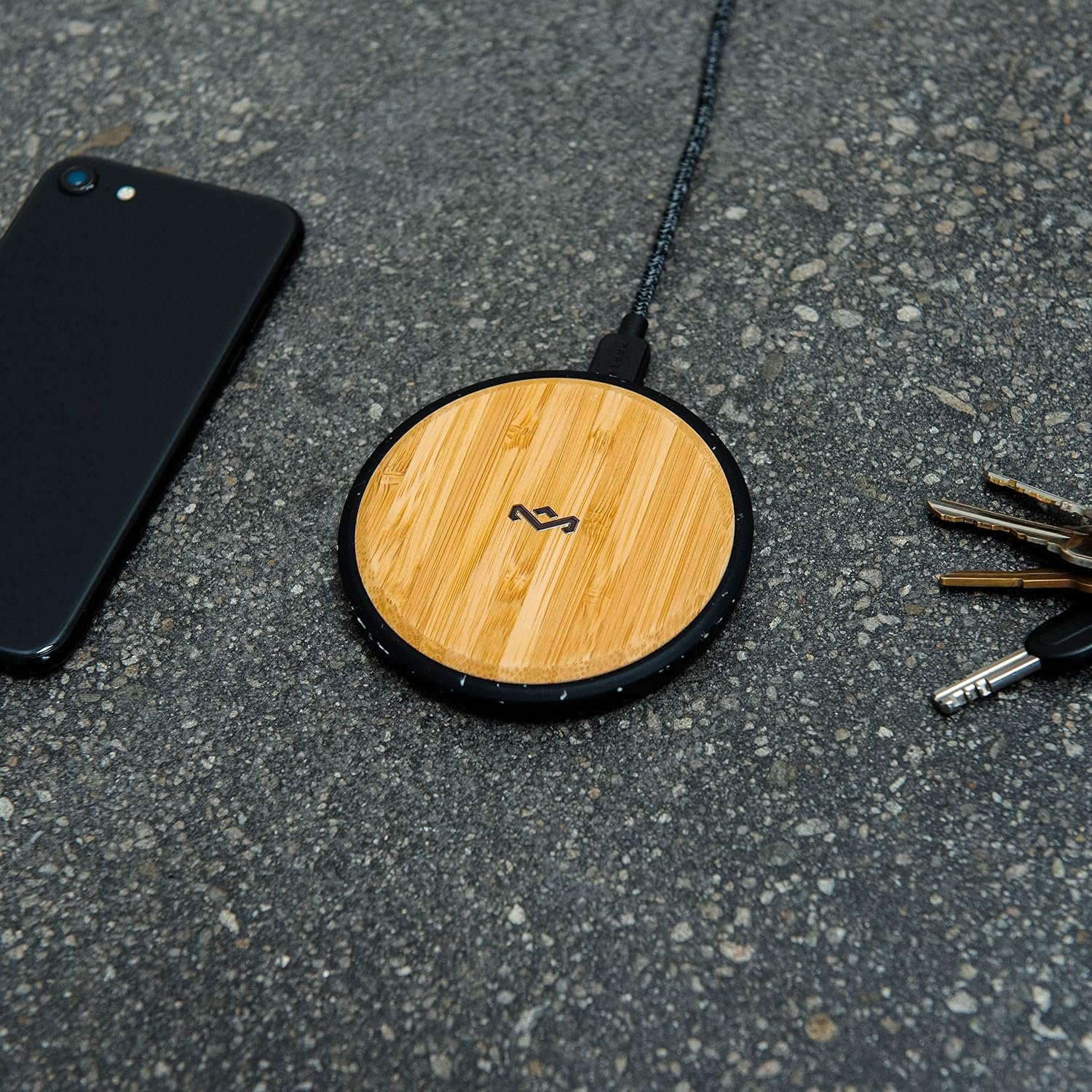
A natural bamboo charging surface
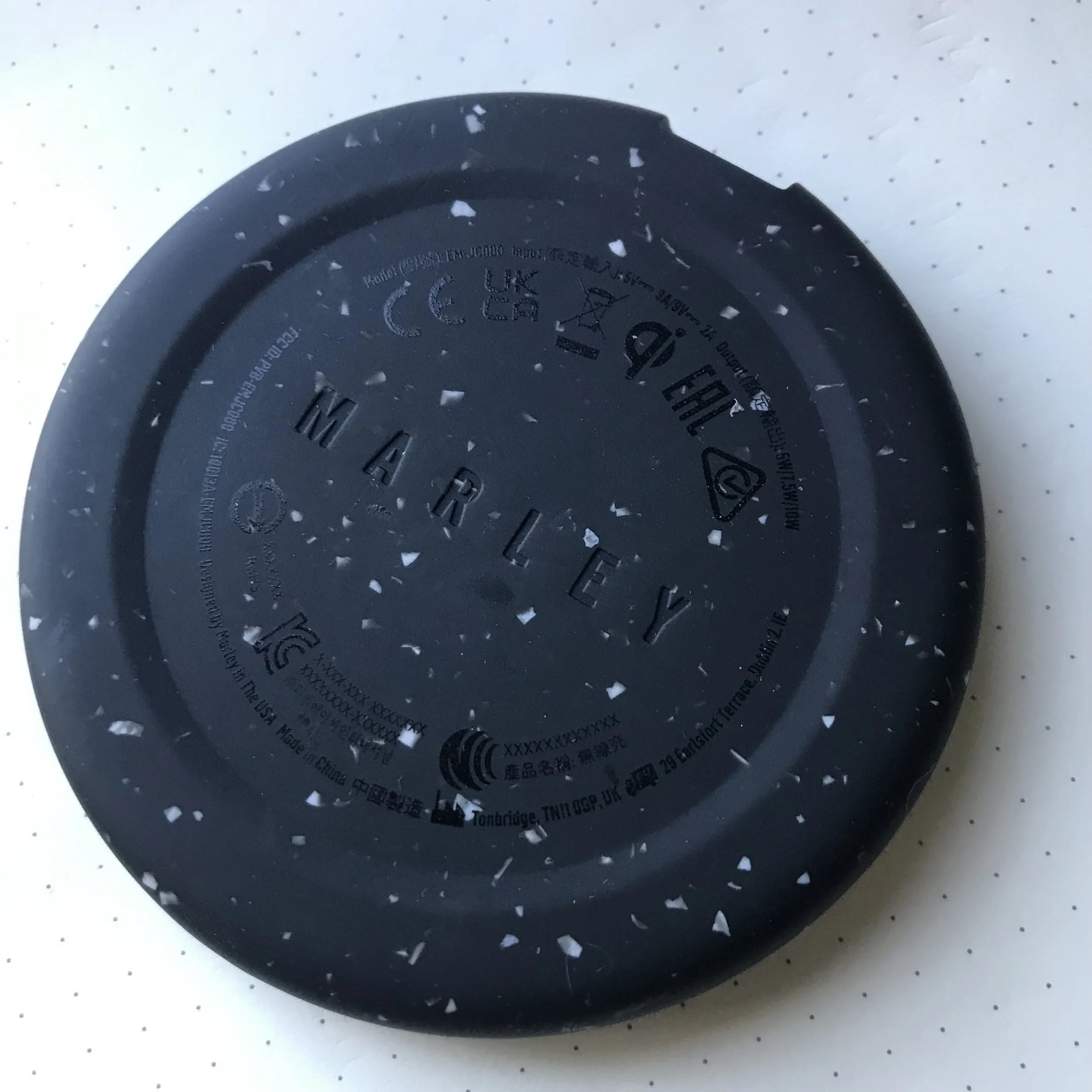
A recycled-material design language
A compact, everyday-use format
Clear mobile-device compatibility
Strong House of Marley brand alignment
Retail and e-commerce presentation
A product story that connected function, materials, and lifestyle
The challenge was to make the sustainable material direction feel authentic without compromising charging function, manufacturability, durability, cost, or consumer usability.
My Role
I contributed to the product development process across product positioning, material review, supplier coordination, sample evaluation, packaging readiness, and launch support.
My responsibilities included:
Supporting the product direction for a sustainable wireless charging accessory
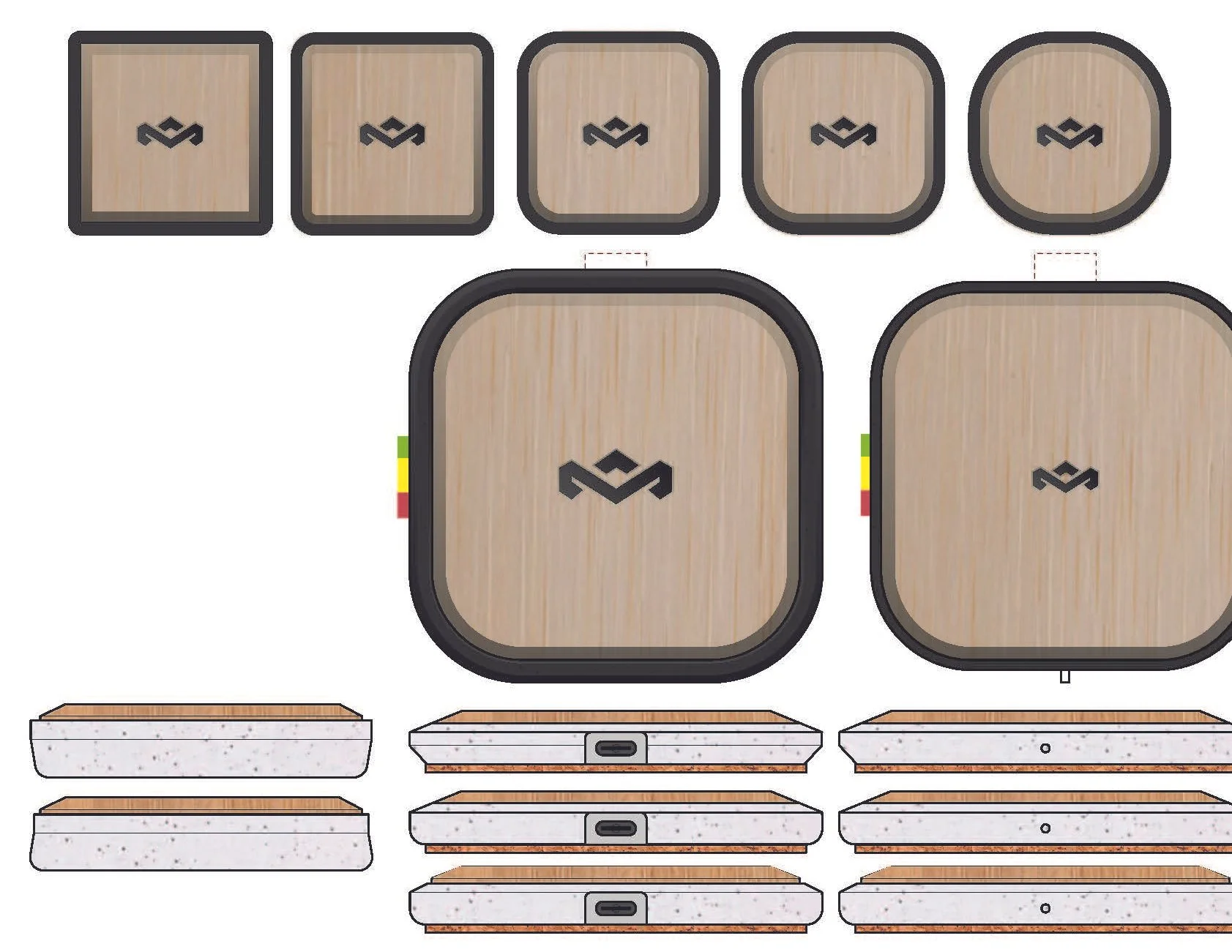
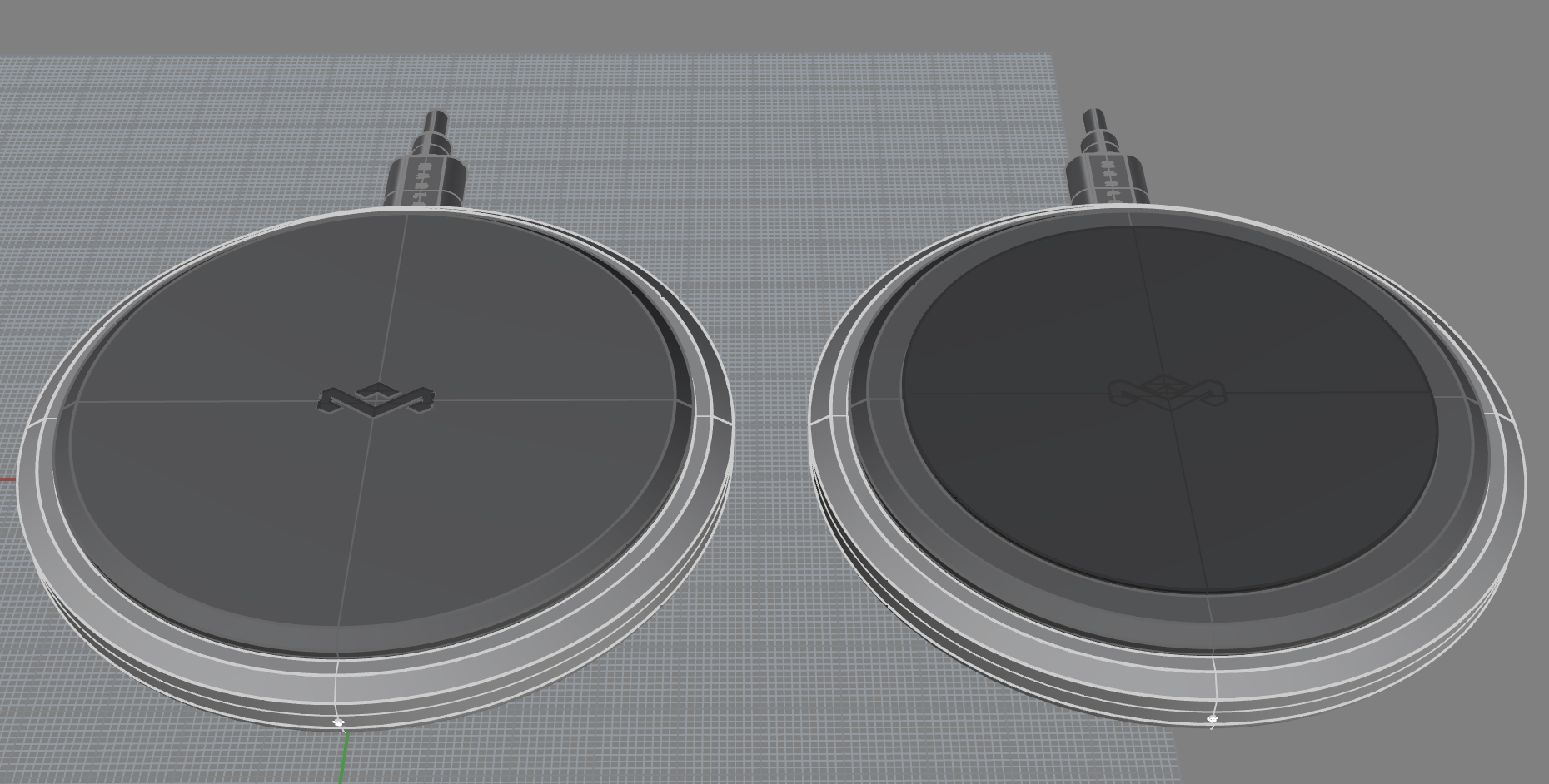
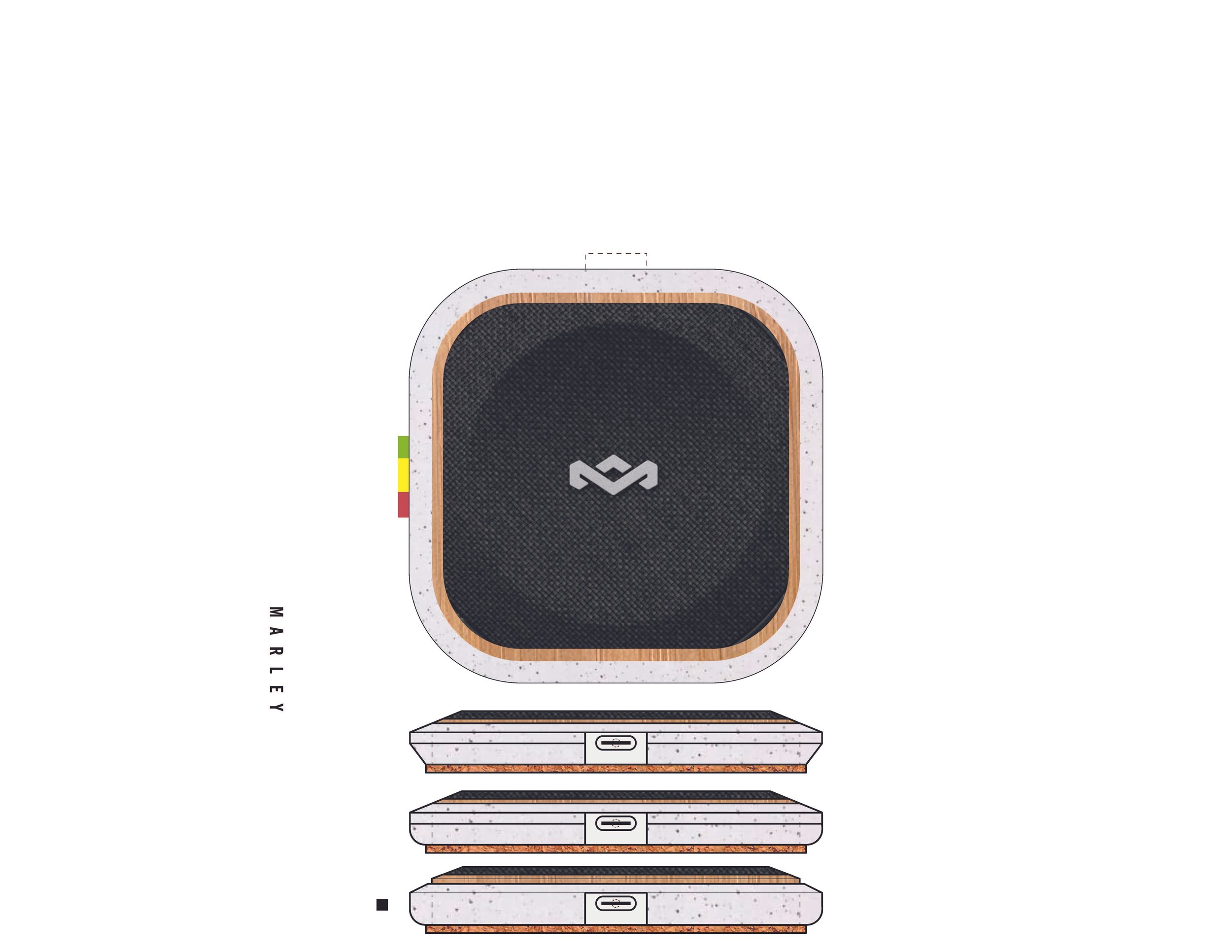
Reviewing product form, proportions, material transitions, and finish details
Coordinating with OEM partners on product execution and sample development
Evaluating bamboo surface quality, fit, finish, and perceived value
Reviewing charging usability, cable access, device placement, and product stability
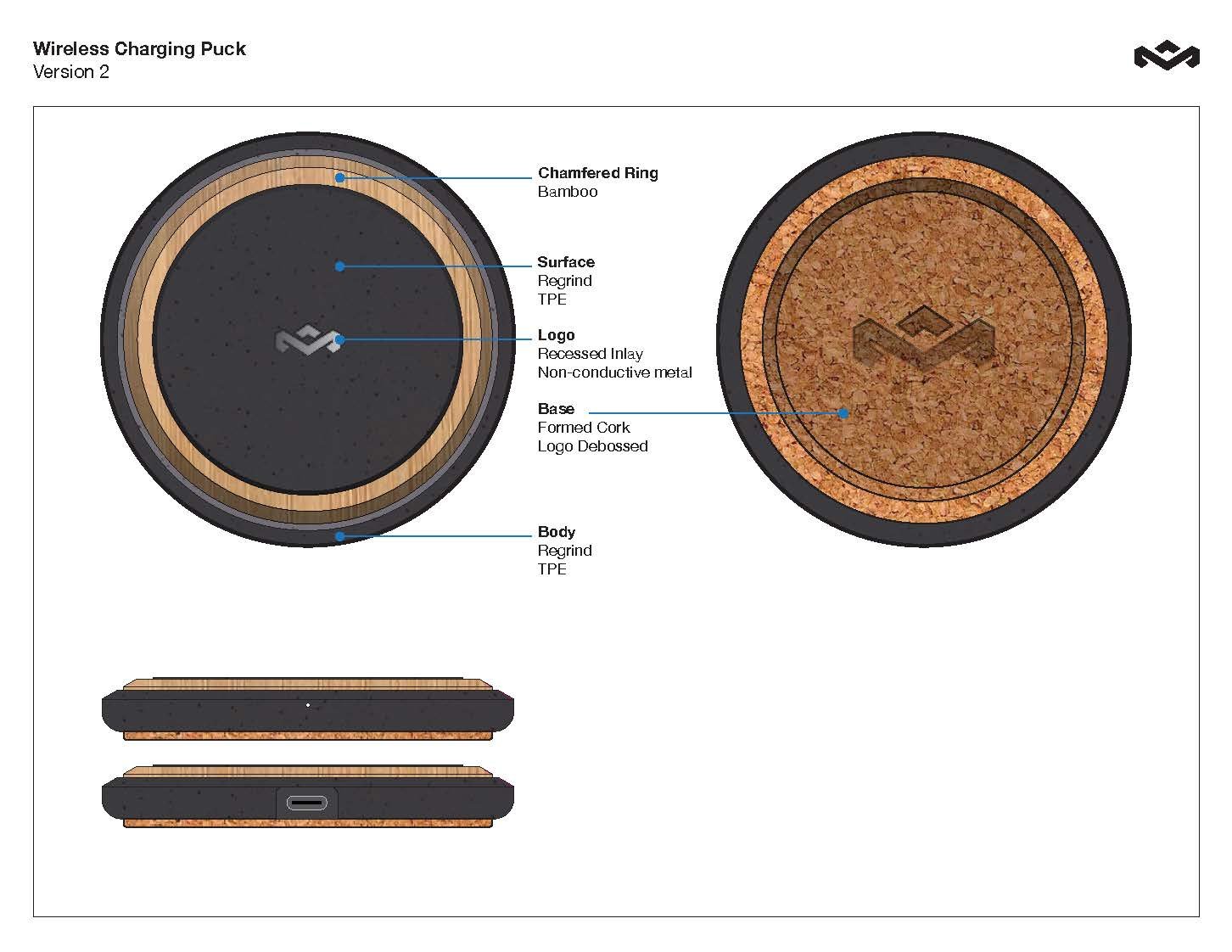
Supporting CMF alignment with the House of Marley brand language
Coordinating packaging requirements and consumer-facing product communication
Supporting retail and e-commerce launch readiness
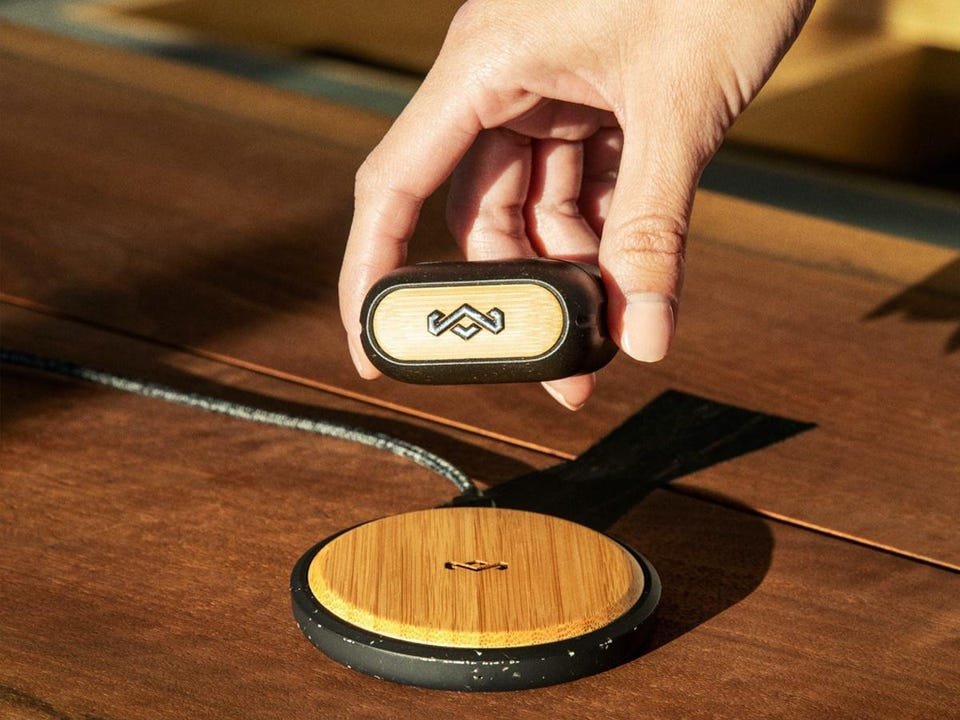
Development Approach
-
The product needed to solve a simple everyday problem: make wireless charging convenient, visible, and easy to use.
The use case focused on:
Desk, nightstand, and everyday home placement
Quick device placement and removal
Compatibility with wireless-charging-enabled phones and accessories
Compact footprint
Simple cable connection
Stable tabletop use
A product appearance that felt appropriate for home, office, and lifestyle environments
The charging experience needed to feel effortless while the material choices created differentiation.
-
One Drop needed to look and feel like part of the House of Marley ecosystem, not like a generic charging pad with a decorative surface added later.
Development focused on:
Bamboo as the primary visible surface
Recycled-material design cues
Natural texture and warmth
Minimal visual clutter
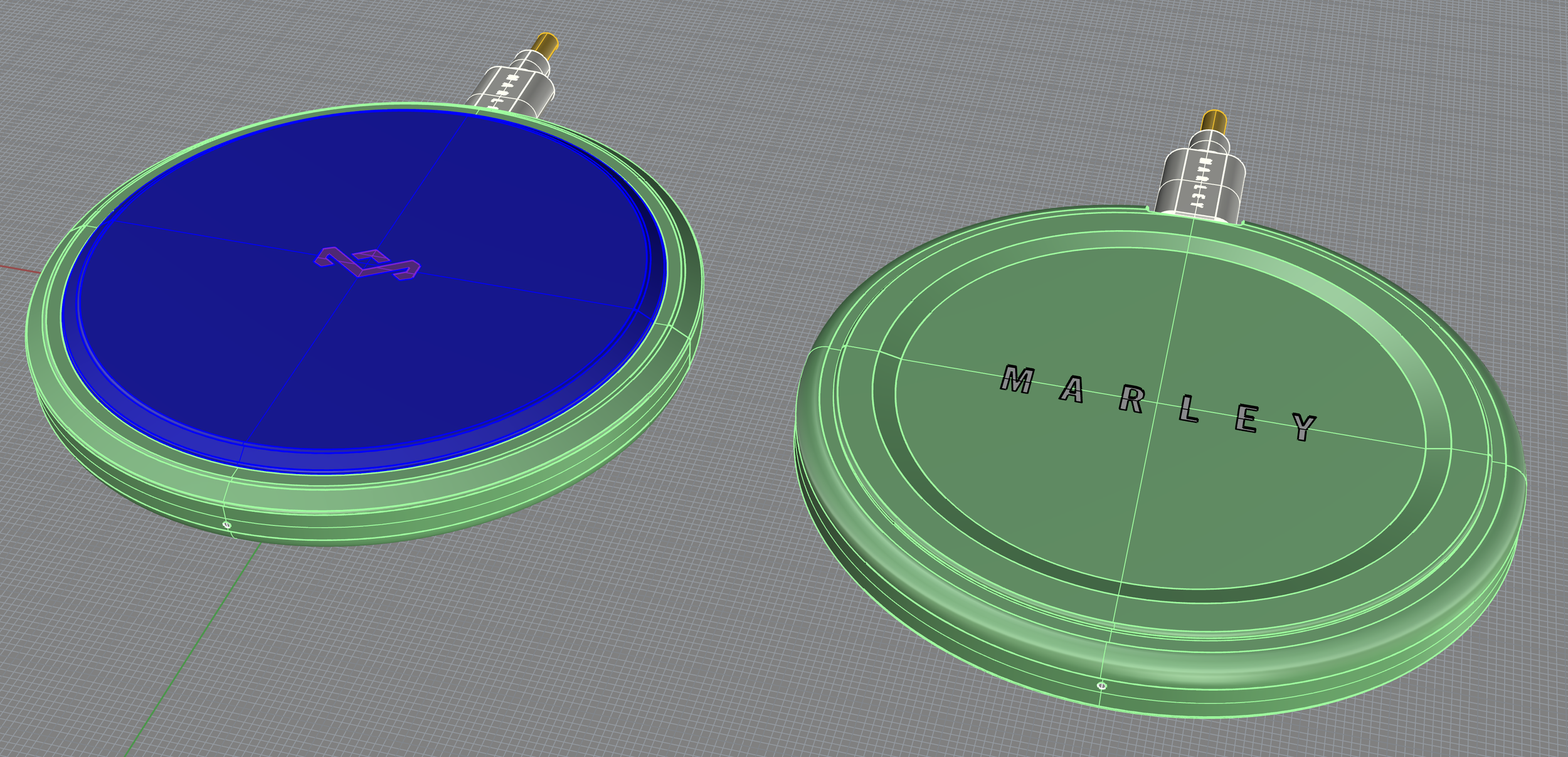
Brand-appropriate logo placement
Tactile quality
Cohesion with other House of Marley accessories
The material strategy helped communicate the brand’s sustainability position while giving the product a distinctive shelf and online presence.
-
Natural materials can introduce development considerations that standard plastic parts do not.
The bamboo surface needed to support the intended visual and tactile quality while remaining practical for a charging accessory.
Review areas included:
Surface consistency
Material thickness and placement
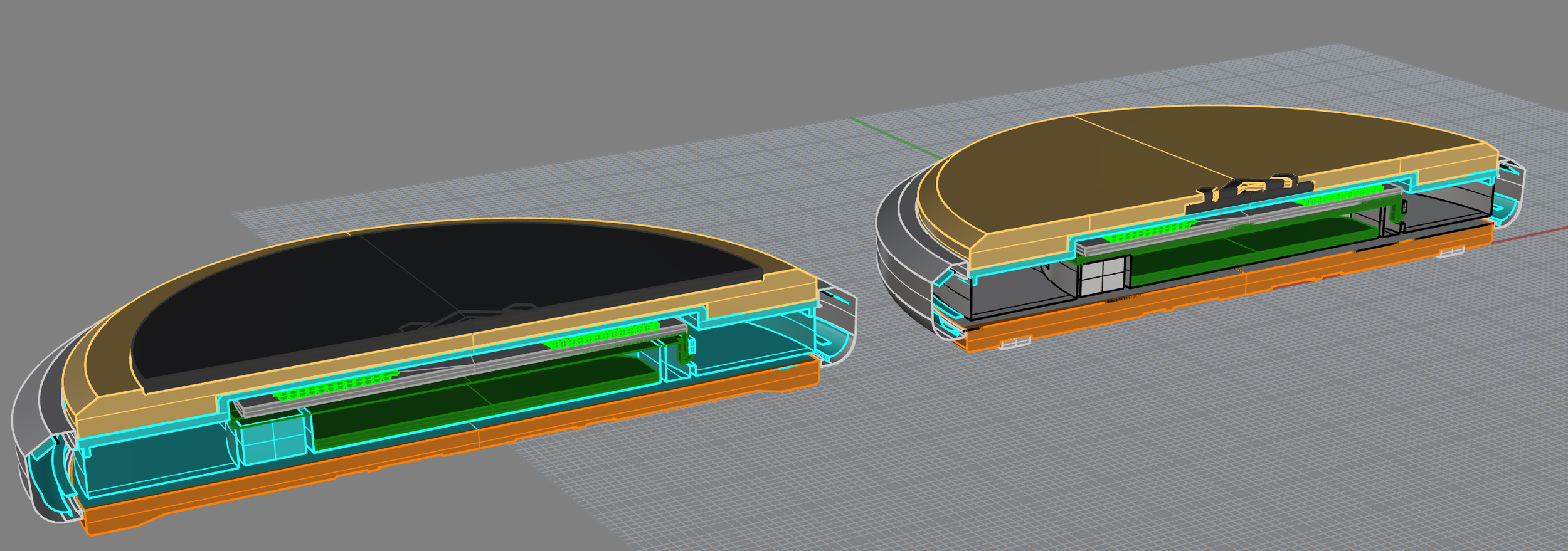
Fit between bamboo and surrounding housing
Edge transitions
Heat and charging-performance considerations
Device contact and stability
Logo application
Long-term appearance and perceived durability
The goal was to preserve the warmth of the bamboo without compromising product function or manufacturability.
-
A wireless charger succeeds when the user understands its placement.
Product refinement focused on:
Charging-pad diameter and footprint
Device alignment on the charging surface
Cable exit location
Tabletop stability
Non-obtrusive profile
Visual hierarchy
Ease of use in daily environments
The product needed to communicate “place your phone here” without requiring additional explanation.
-
The product was developed through an OEM manufacturing process requiring alignment between brand expectations, material constraints, electronics requirements, packaging, and cost.
Supplier coordination focused on:
Wireless charging component integration
Bamboo surface execution
Housing construction
Material and finish samples
Cable and connector requirements
Product dimensions and tolerances
Assembly and quality review
Packaging fit and product protection
Production-readiness feedback
Sample review cycles helped refine the relationship between sustainable materials, electronics integration, and final product quality.
-
The packaging needed to explain both the product function and the material story quickly.
Retail and e-commerce communication focused on:
Wireless charging functionality
Device compatibility
Bamboo material story
Recycled-material positioning
Compact accessory format
Included cable or accessory details
Brand and sustainability messaging
Product imagery
Feature callouts
Retail shelf clarity
The goal was to make the product understandable as both a useful charging accessory and a brand-aligned sustainable product.