
From Product Idea to Market-Ready Hardware
A MODULAR CHARGING SYSTEM BUILT TO SCALE
Nyko
charge block
A modular controller charging ecosystem developed across Xbox, PlayStation, and Nintendo platforms.
The product family balanced shared architecture, platform-specific fit, charging performance, molded-plastic construction, packaging clarity, and retail readiness.
AS SEEN IN

Multi-Platform Gaming Accessory Case Study
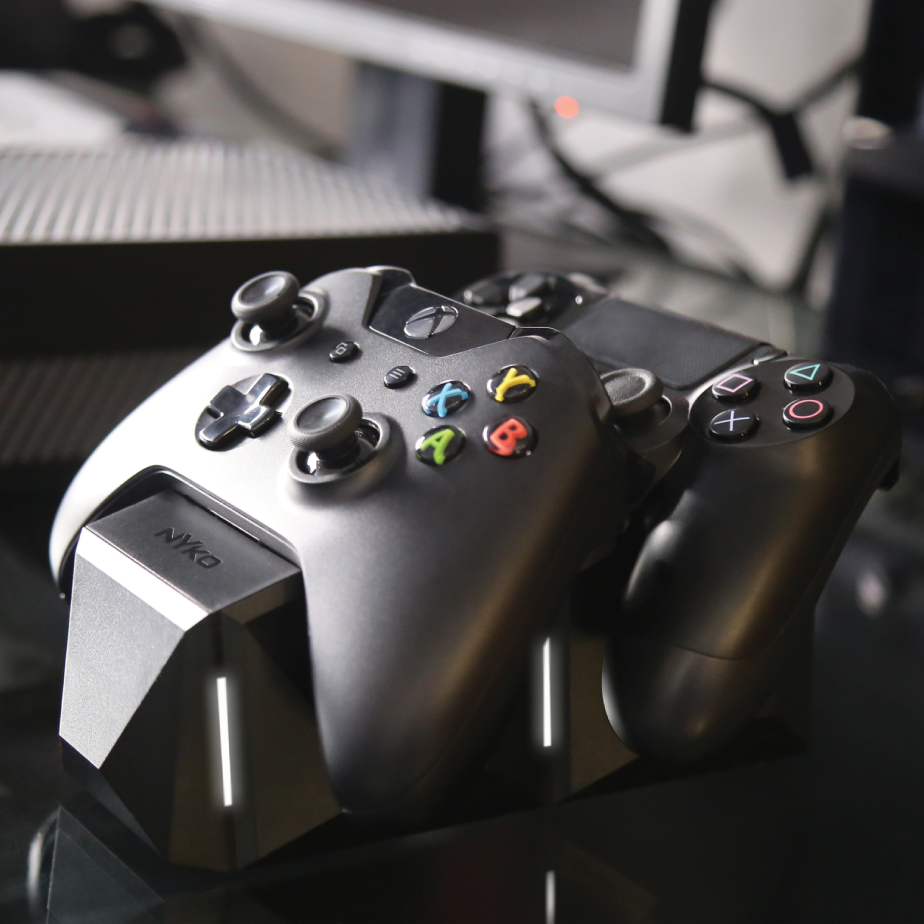
A modular controller charging ecosystem developed for Xbox, PlayStation, and Nintendo Switch, designed to scale across console platforms while maintaining a consistent product architecture and visual identity.
Charge Block expanded from a single-controller charging concept into a connected multi-SKU system distributed through Walmart, Target, GameStop, and other major gaming channels.
Role: Product Development and Industrial Design
Category: Gaming Accessories
Platform: Xbox, PlayStation, Nintendo Switch
Focus: Product Architecture, Modular Systems, OEM Development, Prototyping, Packaging, Retail Launch
Project Overview
Charge Block was developed around a scalable product idea: create a single-controller charging base that could connect with additional charging blocks, including products developed for other console platforms.
Instead of requiring consumers to purchase a fixed dual-controller charging station, the system allowed them to build a charging configuration around the controllers and consoles they owned.
The product architecture needed to support platform-specific controller geometry, charging methods, battery requirements, and visual differences while maintaining compatibility and design continuity across the broader system.
The Challenge
Traditional charging stations were commonly built as fixed units for a single console and a predetermined number of controllers.
That created an opportunity to develop a more flexible accessory platform that could:
Begin with one controller and expand as needed
Connect charging blocks across different console platforms
Maintain visual consistency across the product family
Adapt to existing and future controller hardware
Support multiple retail price points and SKU configurations
Encourage customers to expand the system over time
Create a recognizable charging platform for the Nyko brand
The challenge was not simply to design an individual charger. It was to establish a product system.
My Role
I contributed to the development of Charge Block from early product architecture through prototyping, supplier refinement, product family expansion, packaging, and retail launch.
My responsibilities included:
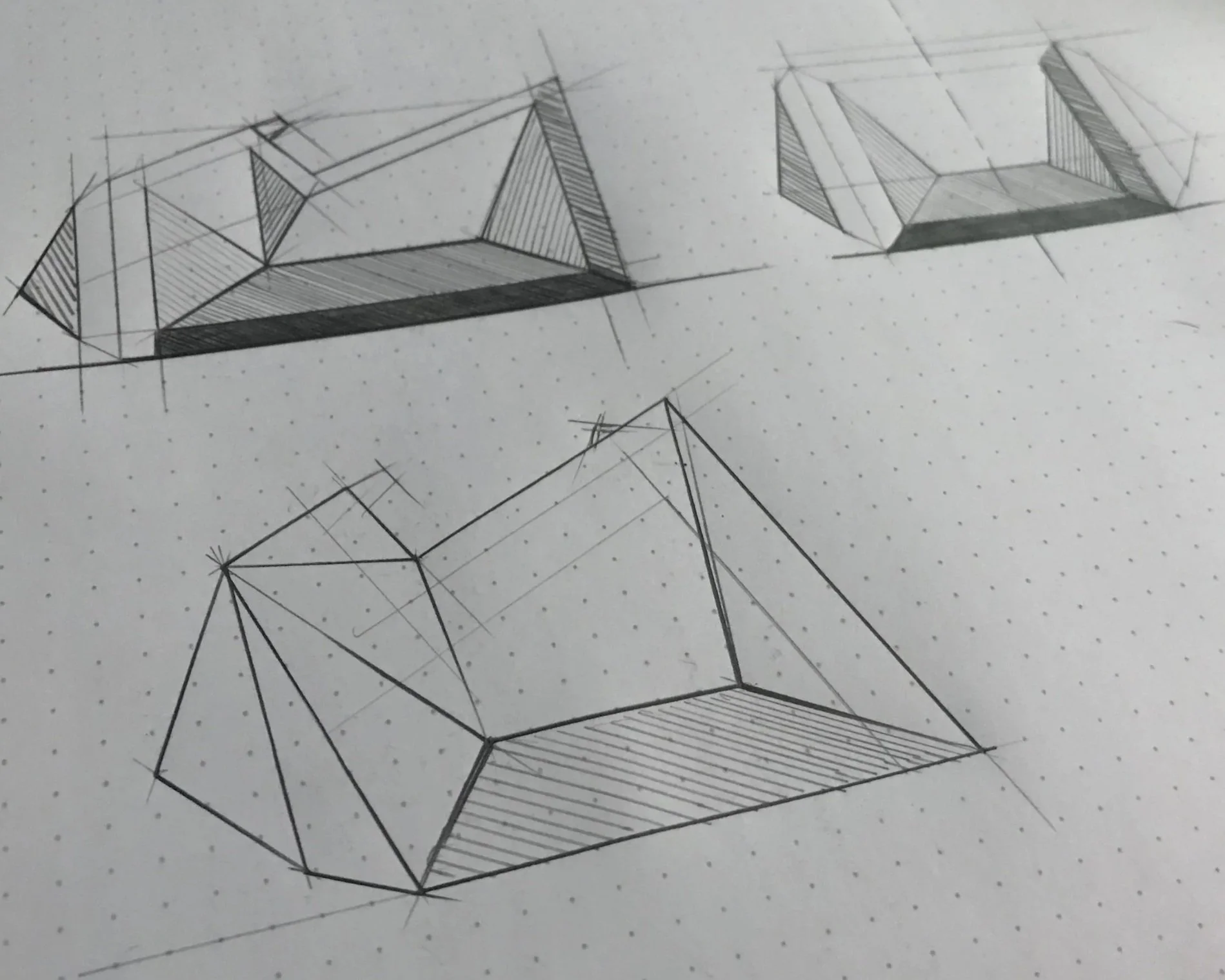
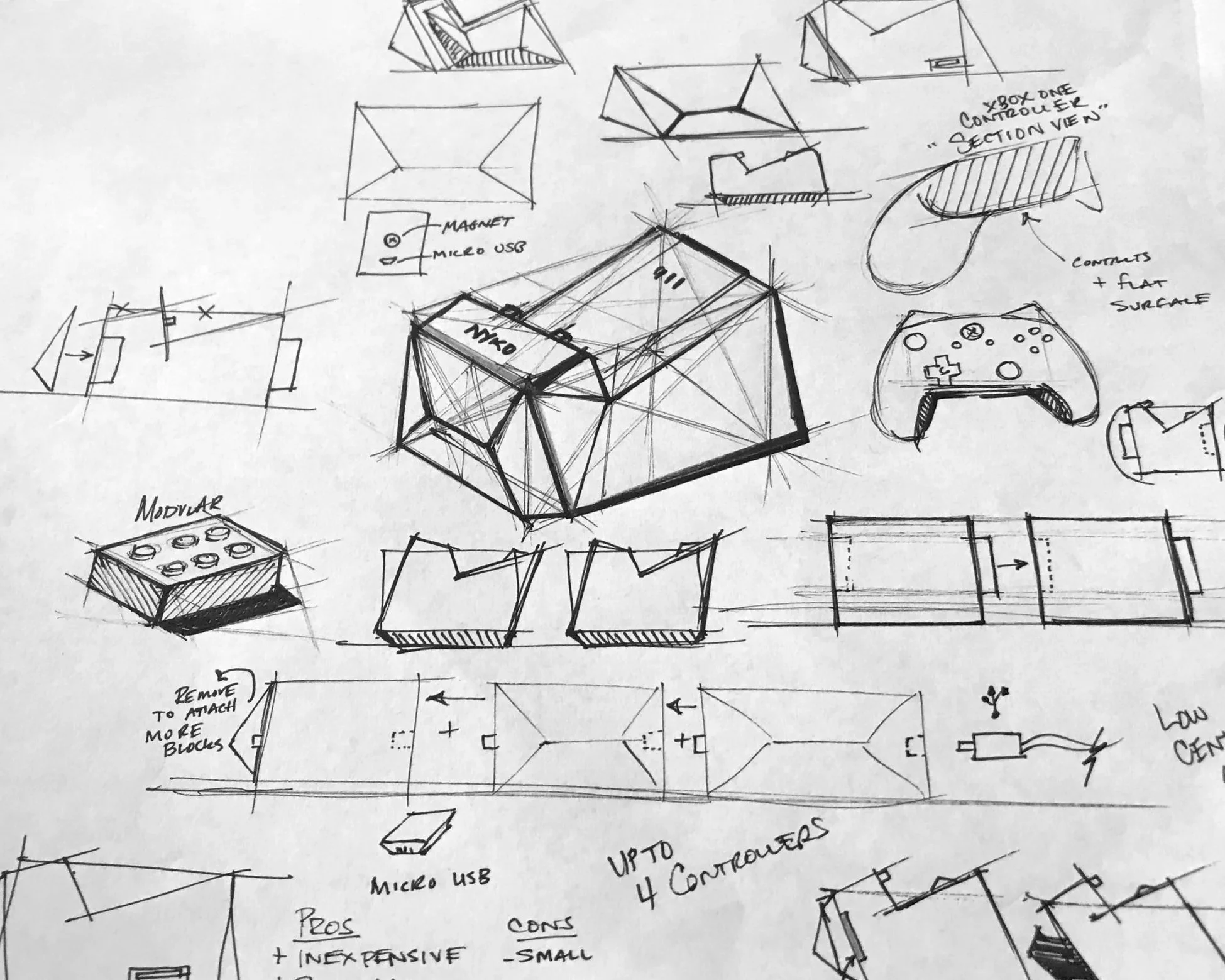
Developing the original modular charging concept
Defining how individual charging blocks would connect
Establishing visual continuity across platform-specific products
Refining controller fit, charging position, and product proportions
Developing and reviewing physical prototypes
Evaluating LED charging indicators and user interaction
Supporting OEM sample review and manufacturability refinement
Expanding the architecture across Xbox, PlayStation, and Nintendo Switch
Supporting packaging, branding, and retail launch readiness
Coordinating development feedback across design, product, sourcing, packaging, and operations
Development Approach
-
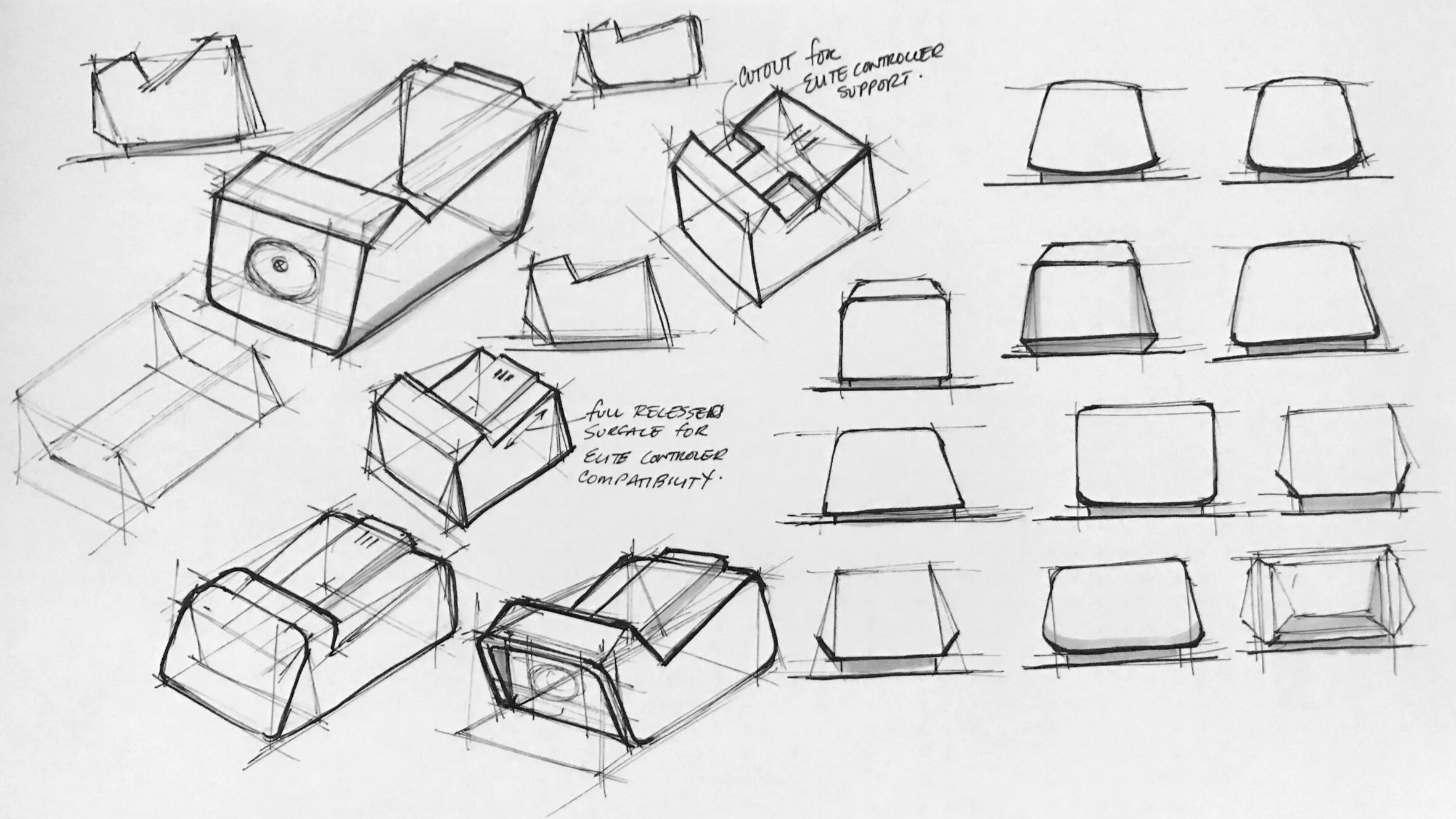
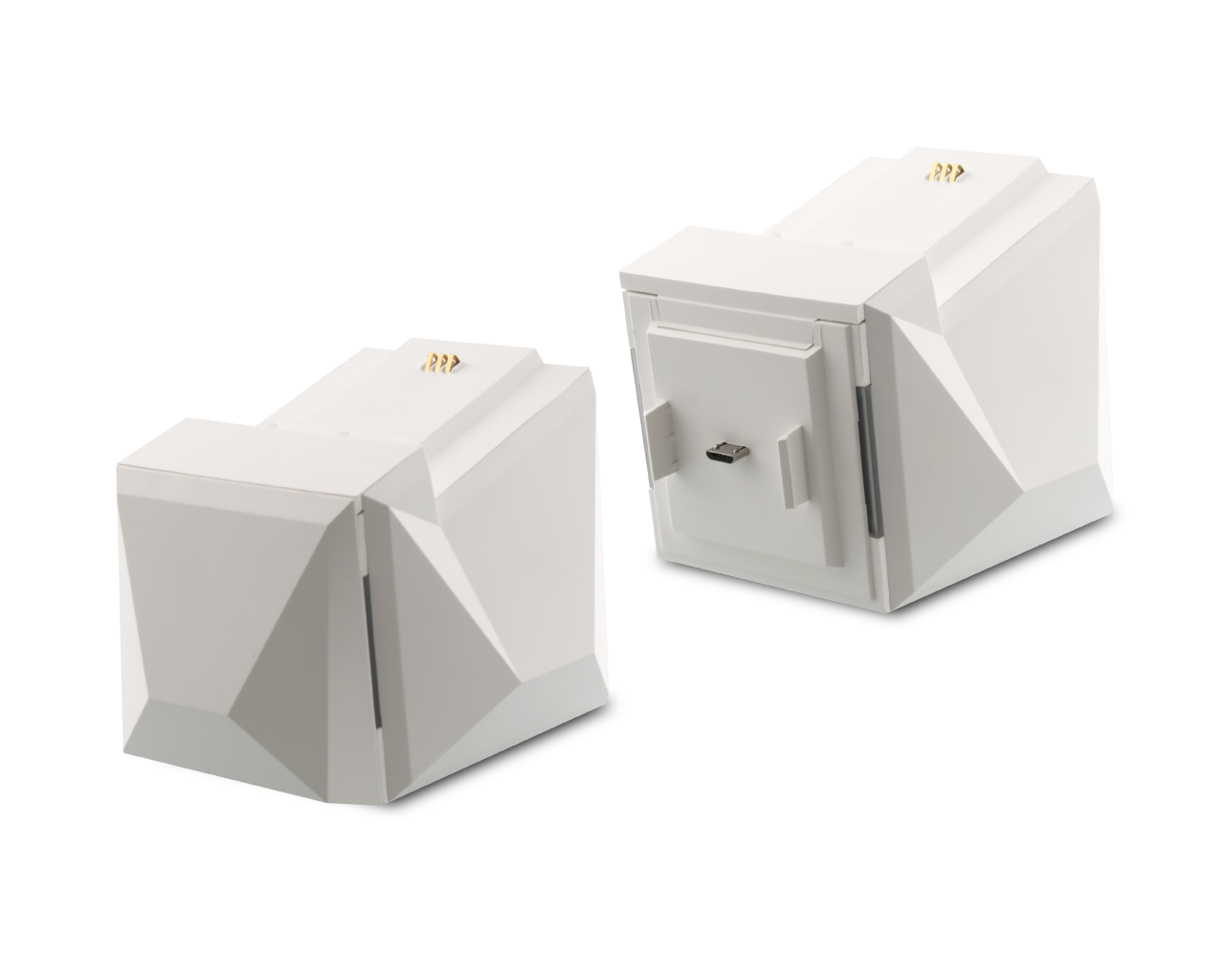
The foundation of the system was a single charging block designed to work independently or connect with other blocks.
The architecture needed to establish:
A repeatable physical connection between products
Reliable alignment when multiple blocks were joined
A consistent footprint and visual rhythm
Platform independence across the connecting system
Expansion without creating a fixed or oversized station
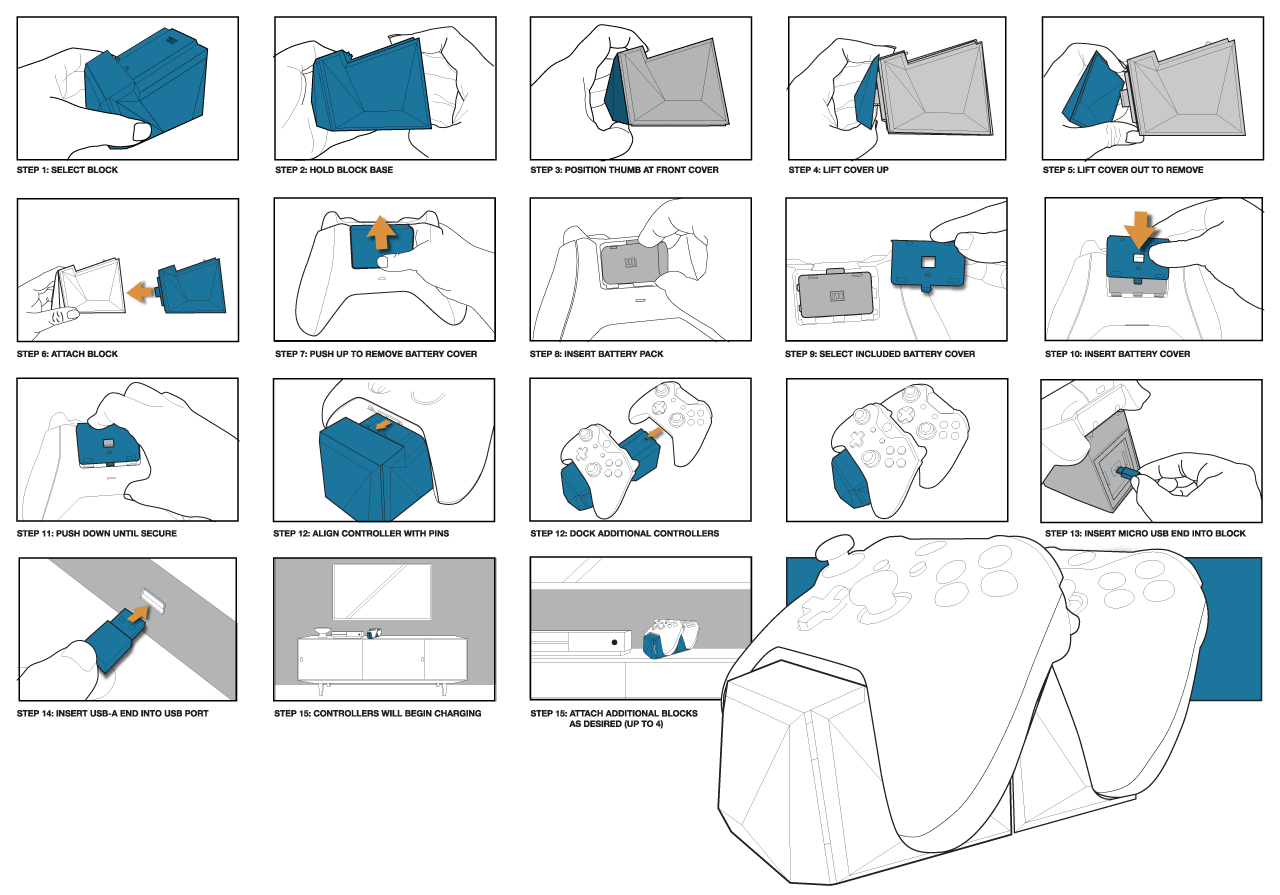
A clear consumer understanding of how the system worked
This modular logic became the platform for the broader product family.
-
Xbox, PlayStation, and Nintendo controllers differ significantly in shape, size, battery architecture, charging position, and visual character.
Each charging block needed to support its specific controller while still appearing to be part of a single coordinated system.
Development focused on:
Shared proportions and base geometry
Consistent surface transitions
Common interface and connection details
Platform-specific controller supports
Unified LED behavior
Consistent branding placement
Visual continuity when different blocks were connected
The objective was to make each SKU feel platform-appropriate without fragmenting the product family.
-
Each controller needed to sit securely, align correctly with the charging interface, and remain easy to place and remove.
Development reviews considered:
Controller geometry and center of gravity
Charging contact alignment
Docking angle
Stability during use
One-handed placement and removal
Clearance around triggers and grips
Battery and charging adapter integration
Tolerance variation between controller samples
Physical prototypes were essential for testing controller position, stability, usability, and visual balance.
-
The charging indicator needed to communicate status clearly without adding unnecessary complexity.
The LED feature was evaluated for:
Visibility from normal viewing angles
Charging versus fully charged status
Light diffusion
Brightness
Placement within the product form
Consistency across connected blocks
Interaction with the broader visual language
The indicator became both a functional feature and a recognizable part of the product experience.
-
Early SLA prototypes were used to evaluate the original concept before tooling and broader product-family development.
Prototype reviews focused on:
Overall product proportions
Controller support and balance
Modular connection behavior
Product alignment
LED placement
Surface transitions
Assembly logic
User interaction
The prototype stage allowed the architecture to be tested physically before translating the concept into production parts.
-
After the core architecture was established, the system was extended across multiple gaming platforms and configurations.
The product family included:
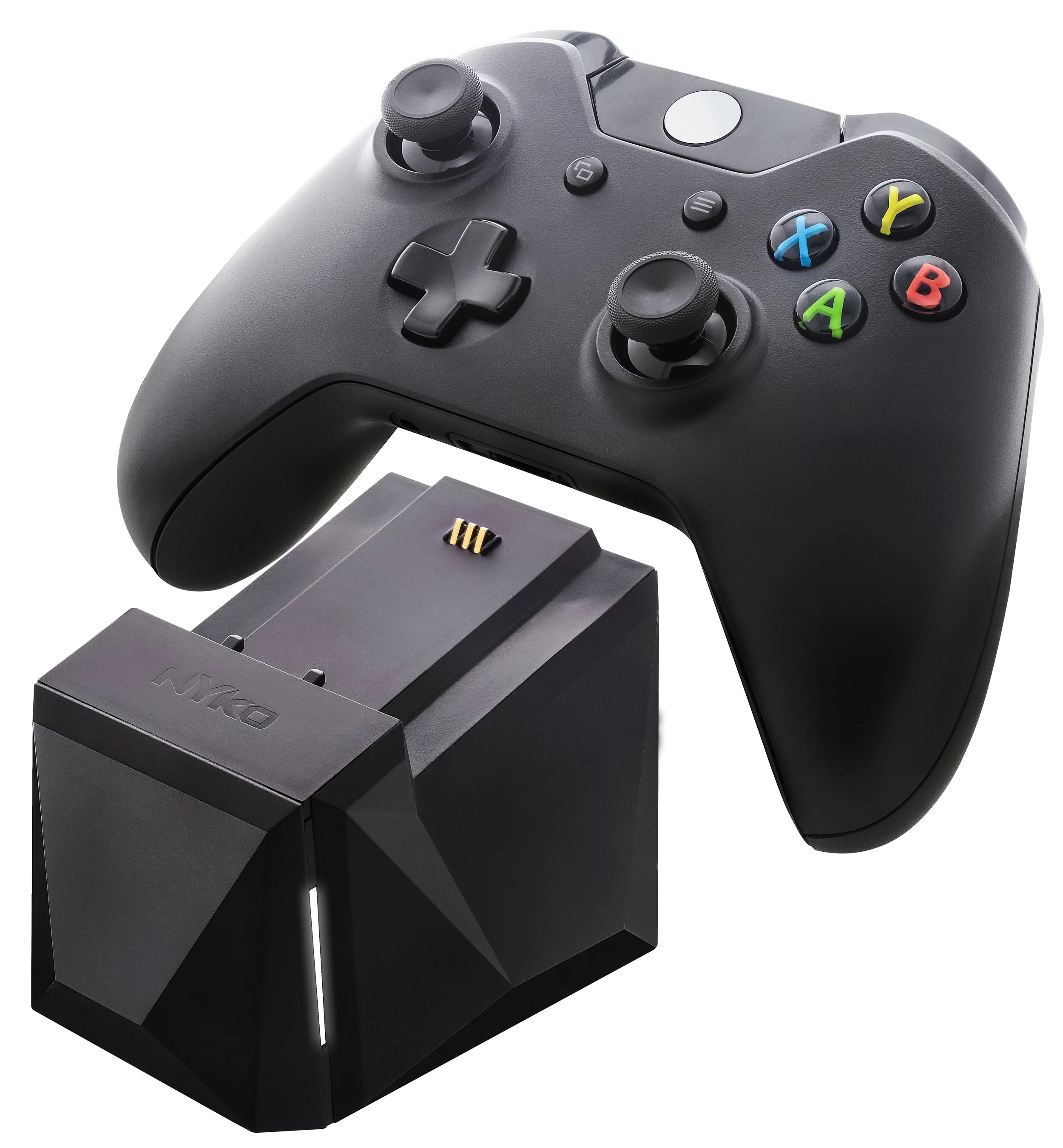
Charge Block Solo for Xbox One
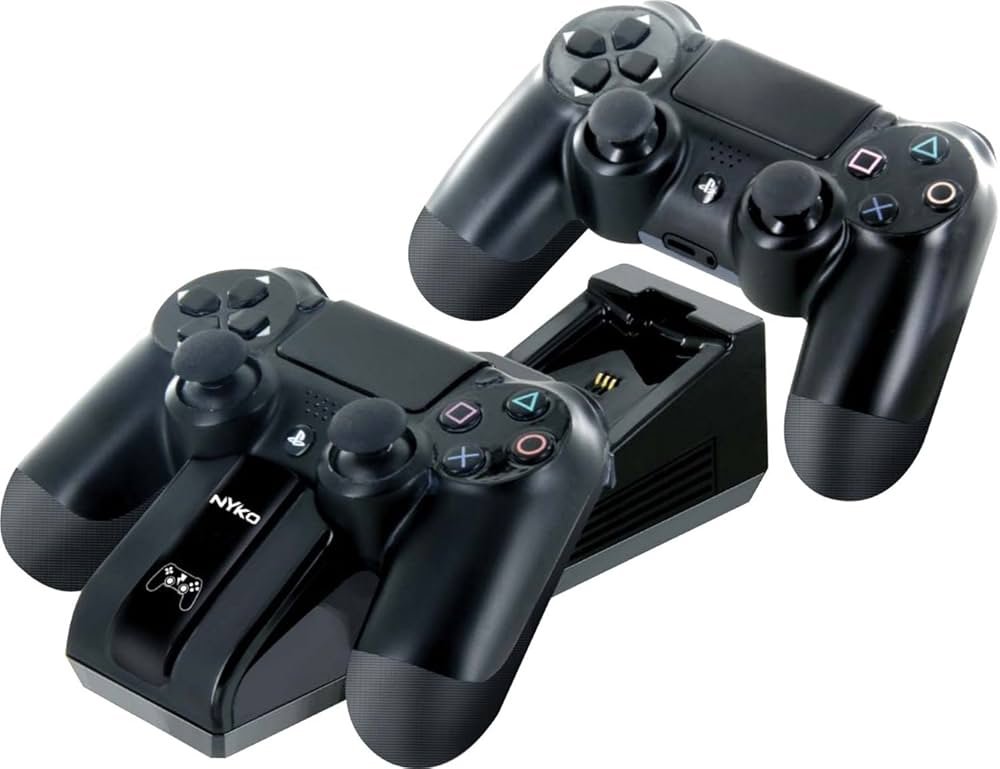
Charge Block Solo for PlayStation 4
Charge Block for Nintendo Switch
Charge Block Pro for Nintendo Switch
Connected mixed-platform configurations
Each variation required platform-specific development while preserving compatibility with the broader Charge Block ecosystem.
-
The system needed to move from prototype intent into repeatable molded production.
Supplier and manufacturing development focused on:
Injection-molded part geometry
Wall thickness and structural support
Modular connection tolerances
Controller support geometry
Charging component integration
LED and internal electronic packaging
Assembly sequence
Surface finish and color consistency
Production repeatability across multiple SKUs
Sample review cycles helped resolve fit, finish, assembly, and usability issues before launch.
-
Because Charge Block was a system rather than a single product, packaging needed to explain both the individual SKU and the larger ecosystem.
Retail presentation needed to communicate:
Console and controller compatibility
Single-controller charging
Modular connection capability
Cross-platform expansion
Battery or adapter inclusion
Charging status behavior
Differences between Solo, standard, and Pro configurations
How multiple products are connected together
The packaging and branding system evolved as the Charge Block family expanded.

Key Product Decisions
Modular Flexibility vs. System Complexity
The system needed to offer meaningful expandability without making setup or purchasing difficult to understand.
Shared Architecture vs. Platform-Specific Requirements
Common design elements created a cohesive family, but each controller required unique support geometry and charging integration.
Secure Docking vs. Easy Controller Removal
Controllers needed to remain stable while charging but still feel natural to dock and remove.
Product Expansion vs. SKU Complexity
The modular system created opportunities for multiple configurations, but each SKU added supplier, packaging, inventory, and channel-management requirements.
Technical Function vs. Visual Simplicity
Charging components, batteries, LEDs, and internal connections needed to be packaged without making the product appear overly technical or bulky.
Retail Explanation vs. Packaging Clarity
The modular system was a major differentiator, but the packaging still needed to communicate the immediate value of each individual product.
One system, different controllers
Each console platform introduced different controller forms, battery systems, charging contacts, proportions, and visual expectations.
The challenge was to adapt the shared architecture without making the product family feel fragmented.
XBOX
The Xbox design integrated a platform-specific rechargeable battery and charging interface while maintaining compatibility with the shared Charge Block connection system.
Charge Block Solo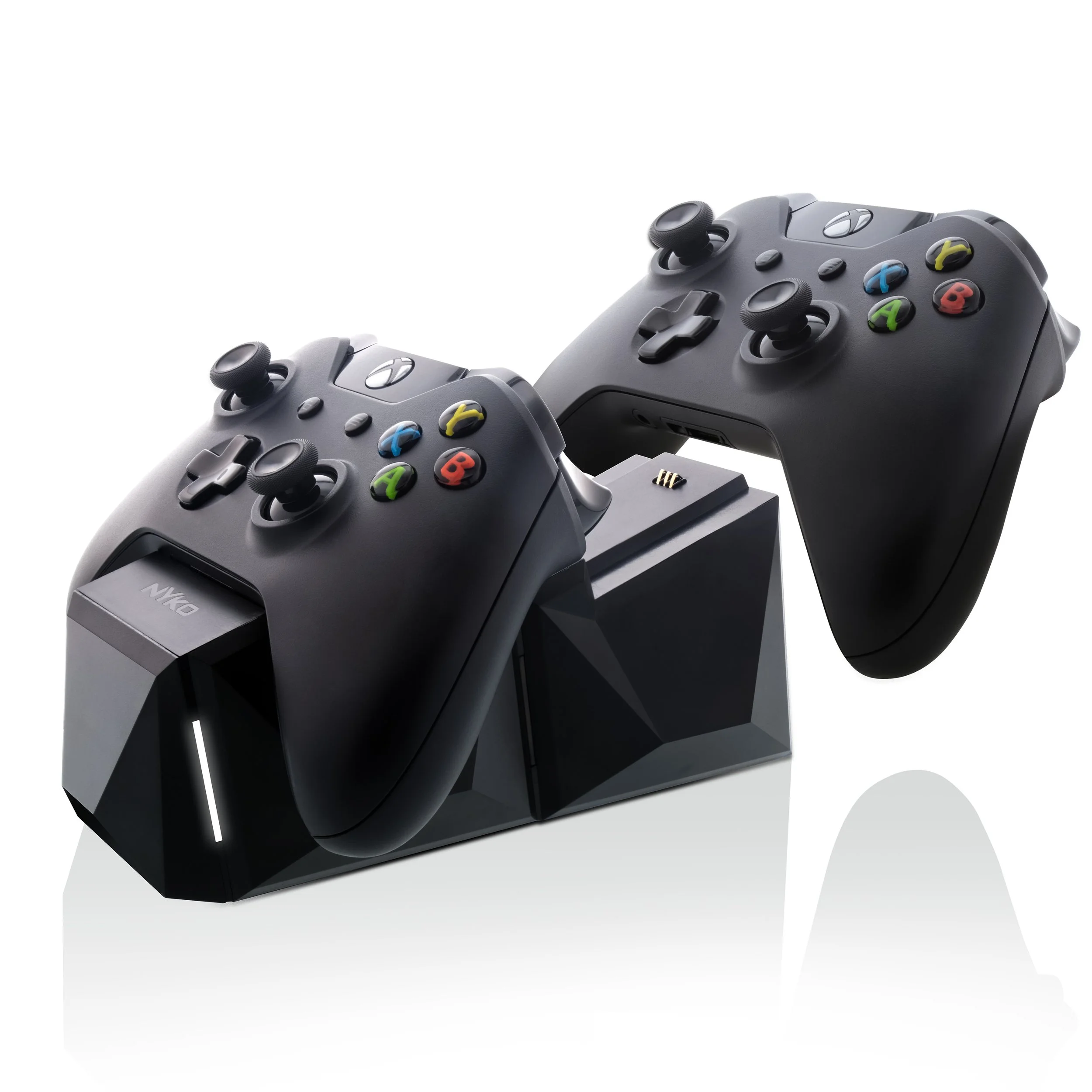
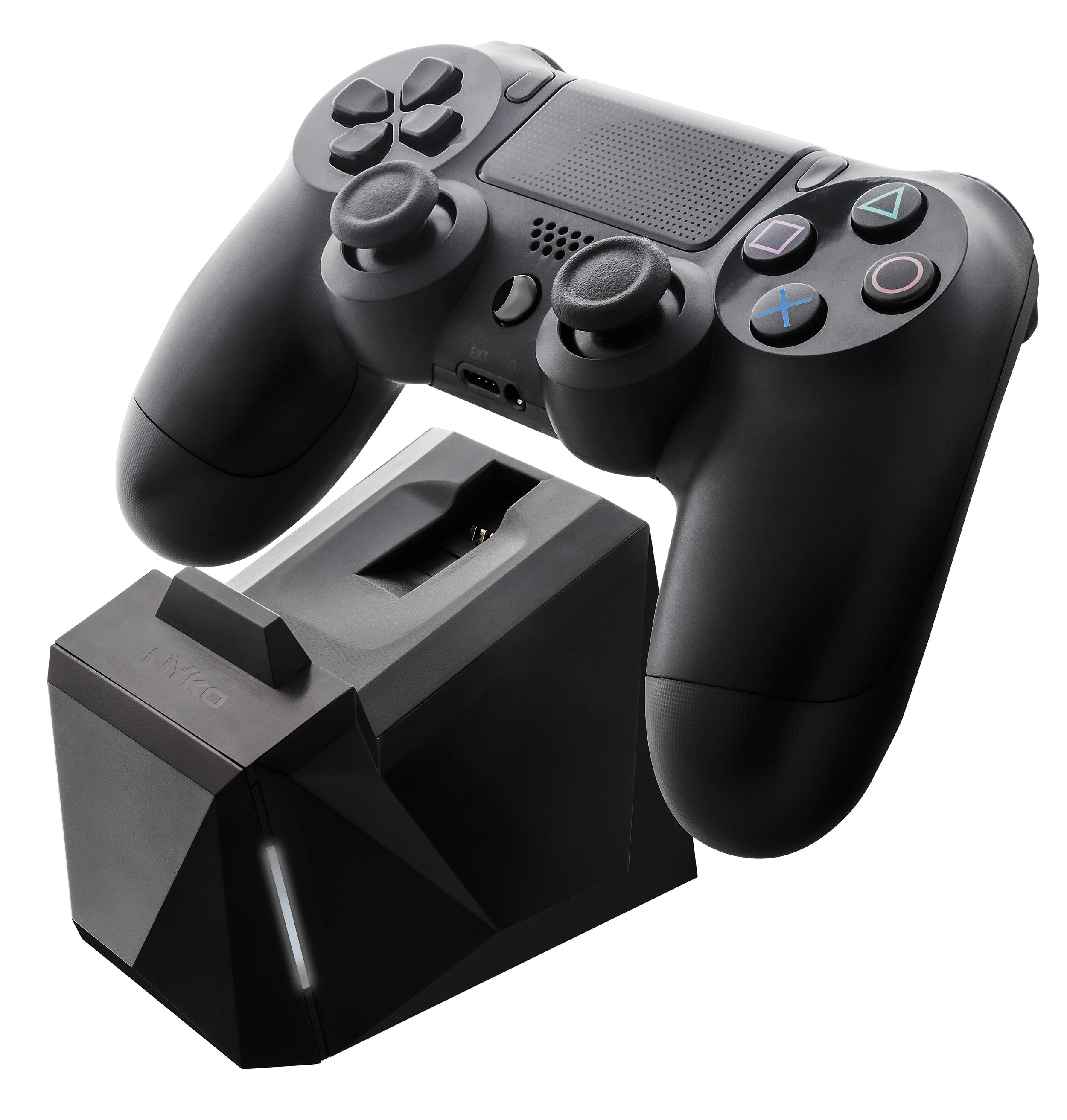
PlayStation
The PlayStation version adapted the base geometry and controller support around the DualShock form and charging requirements while preserving the common product language.
Charge Block Solo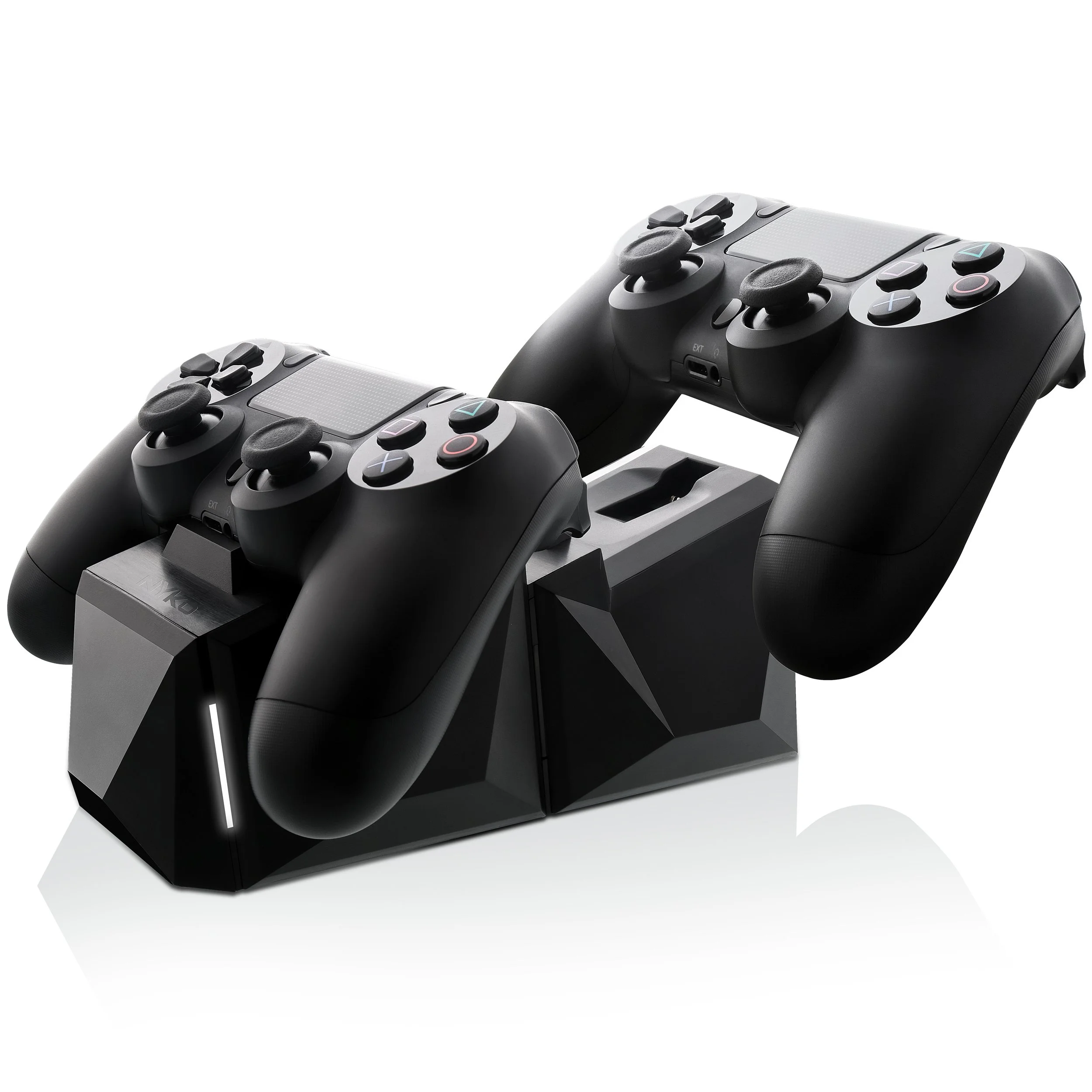
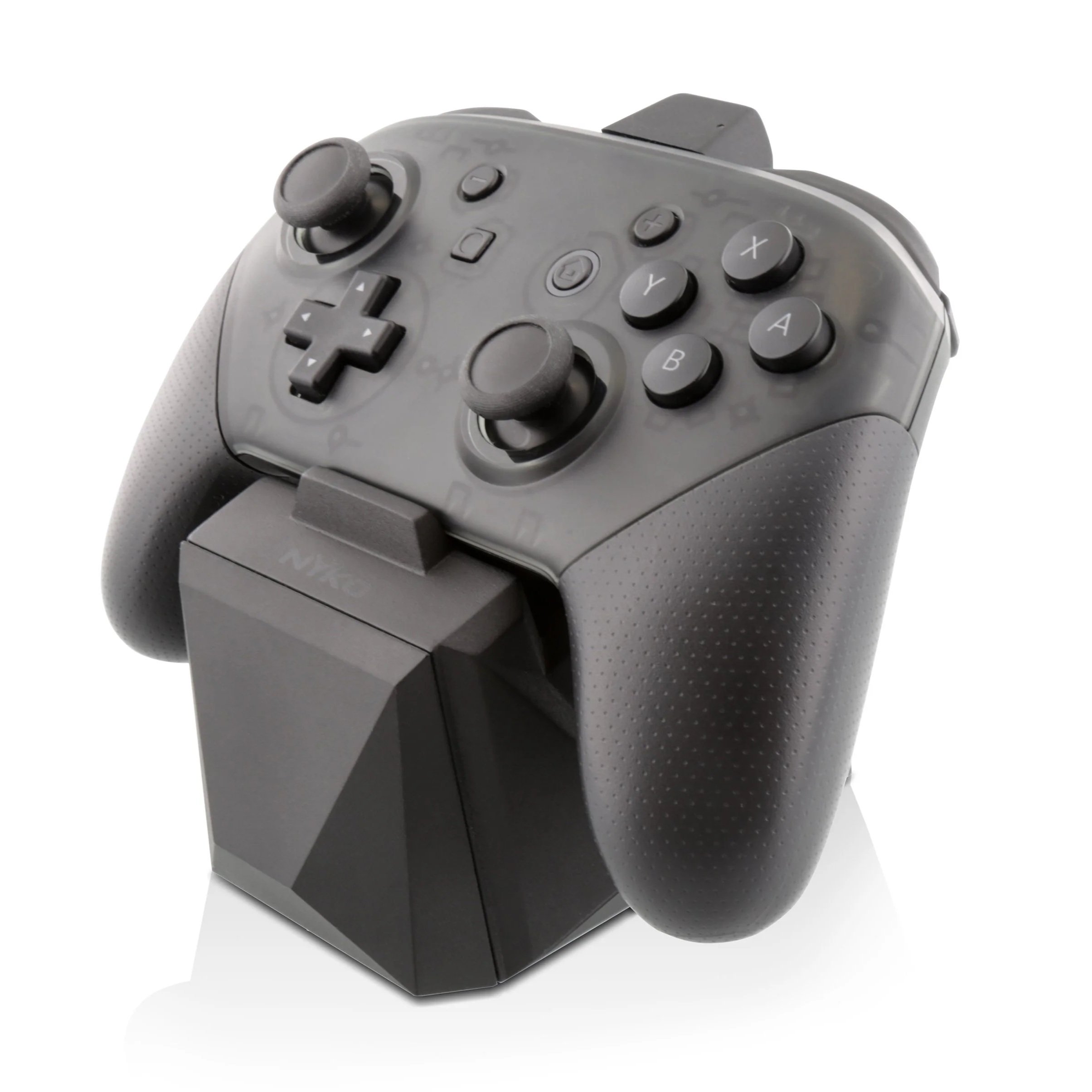
Charge Block ProNintendo Switch
Nintendo Switch variants extended the architecture into new controller formats, demonstrating that the platform could evolve beyond its original Xbox and PlayStation applications.
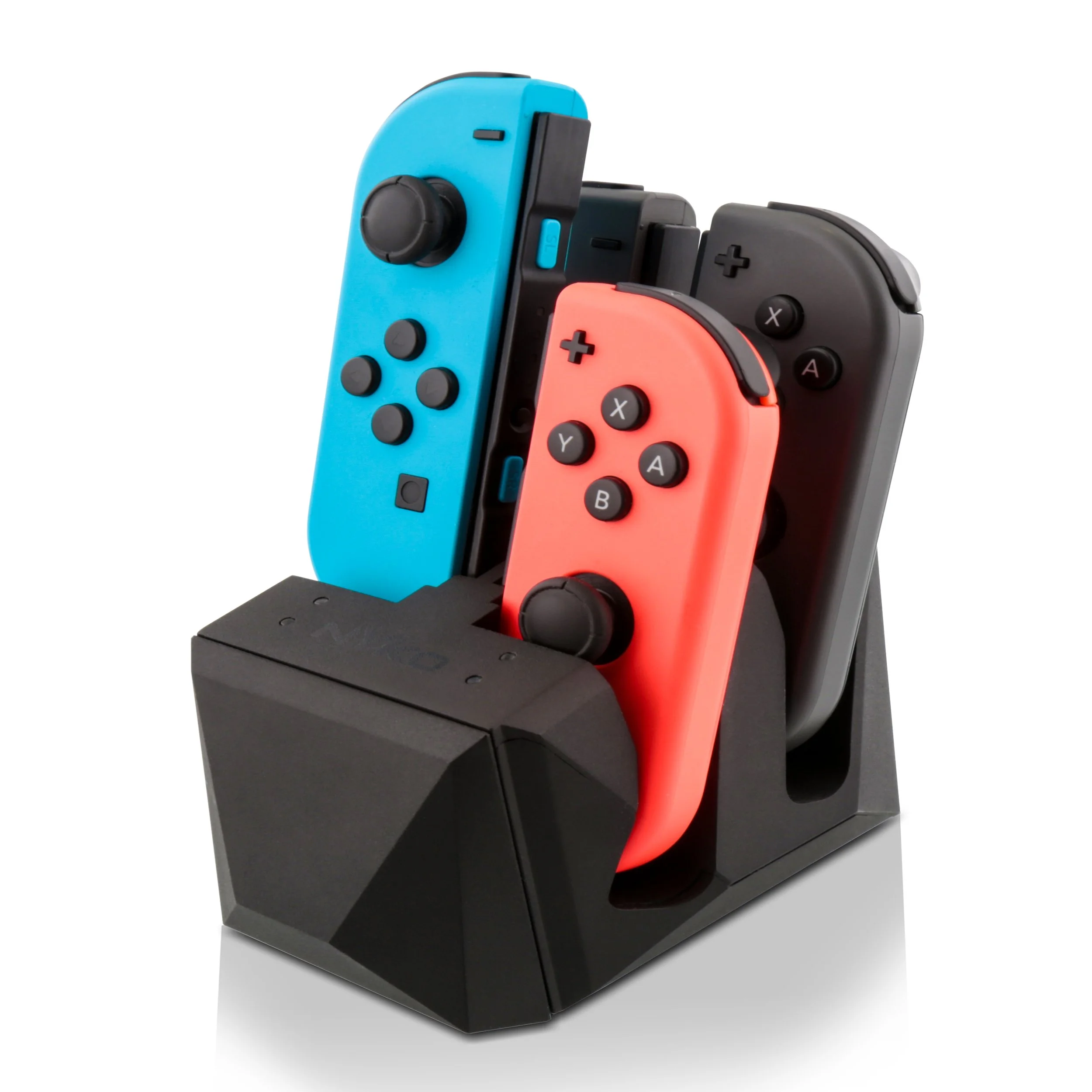
XBOX
Charge Block DuoPlayStation
Charge Block SoloCharge BlockNintendo Switch
The Opportunity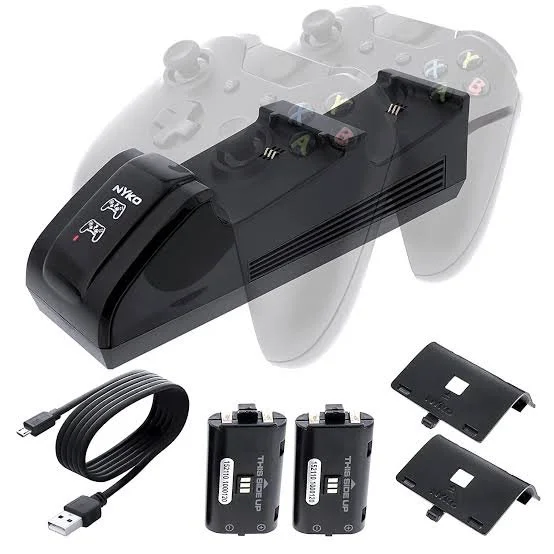
Traditional controller charging stations were generally designed for one console and a predetermined number of controllers. Charge Block introduced a more flexible approach: one base that could grow into a larger, mixed-platform system.
The product needed to:
Work independently or as part of a connected system
Support multiple console platforms
Maintain consistent alignment and visual continuity
Adapt to different controller and battery requirements
Create multiple SKU and price-point opportunities
Explain the modular benefit clearly at retail
The challenge was not to design one charger. It was to establish a repeatable product platform.
Rethinking the Fixed Charging Station
Traditional controller charging stations were generally designed for one console and a predetermined number of controllers. Charge Block introduced a more flexible approach: one base that could grow into a larger, mixed-platform system.

From One Concept to a Multi-Platform Product Family
Charge Block launched in 2016 and achieved strong retail distribution through Walmart, GameStop, Amazon, and other gaming channels.
The product demonstrated how a single core concept could evolve into an expandable ecosystem through modular architecture, platform-specific execution, supplier refinement, and clear retail communication.
Its value came from giving users flexibility while giving Nyko a repeatable platform for multiple products, configurations, and price points.
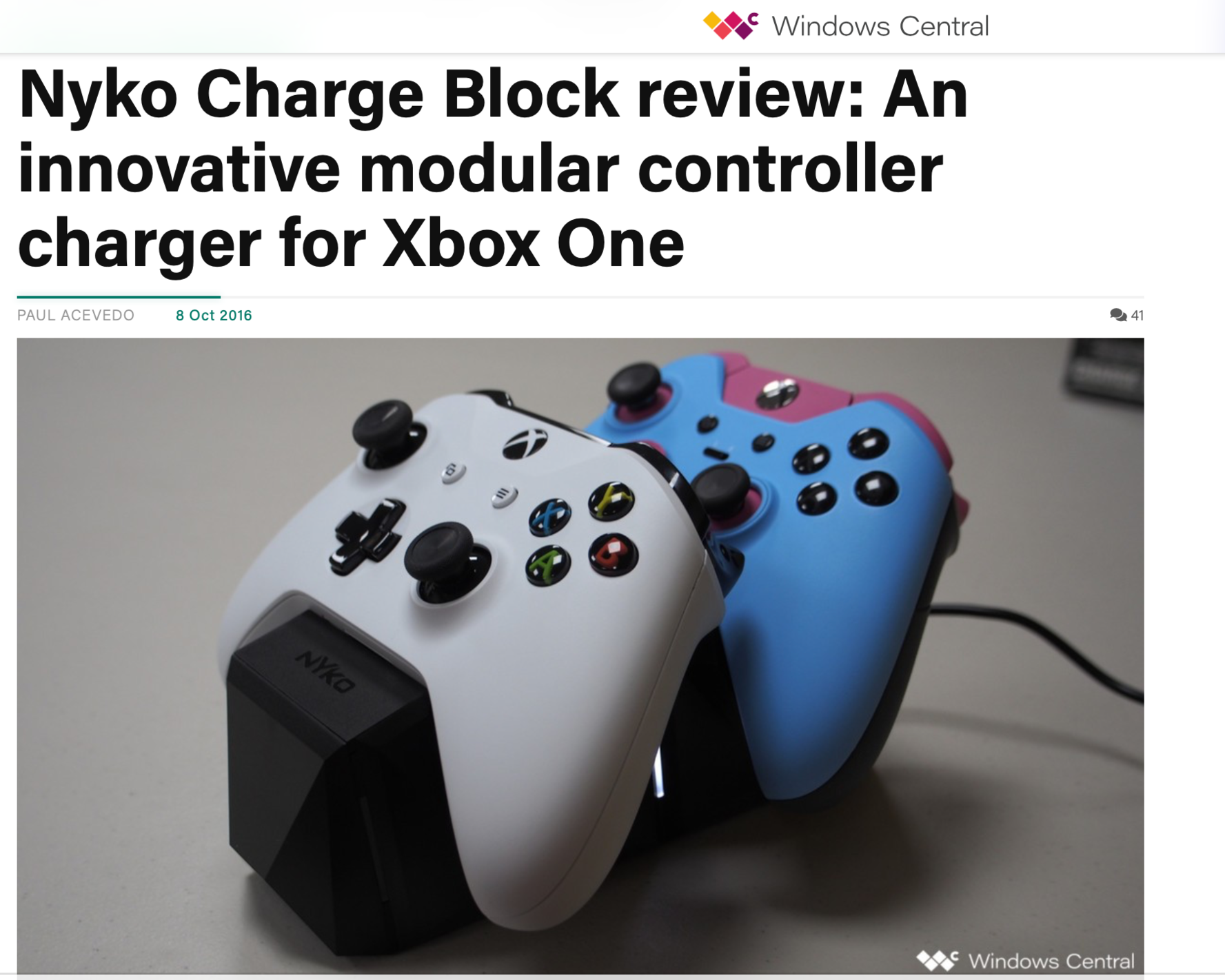
press coverage
commercial reach
scalable architecure
Expanded one charging concept into a coordinated Xbox, PlayStation, and Nintendo product family.
Launched through Walmart, GameStop, Amazon, and other major gaming channels.
Market validation
consumer flexibility
Received coverage from Polygon, Windows Central, and Hardcore Gamer.
Allowed players to begin with one block and expand around the gaming hardware they owned.