
From Product Idea to Market-Ready Hardware
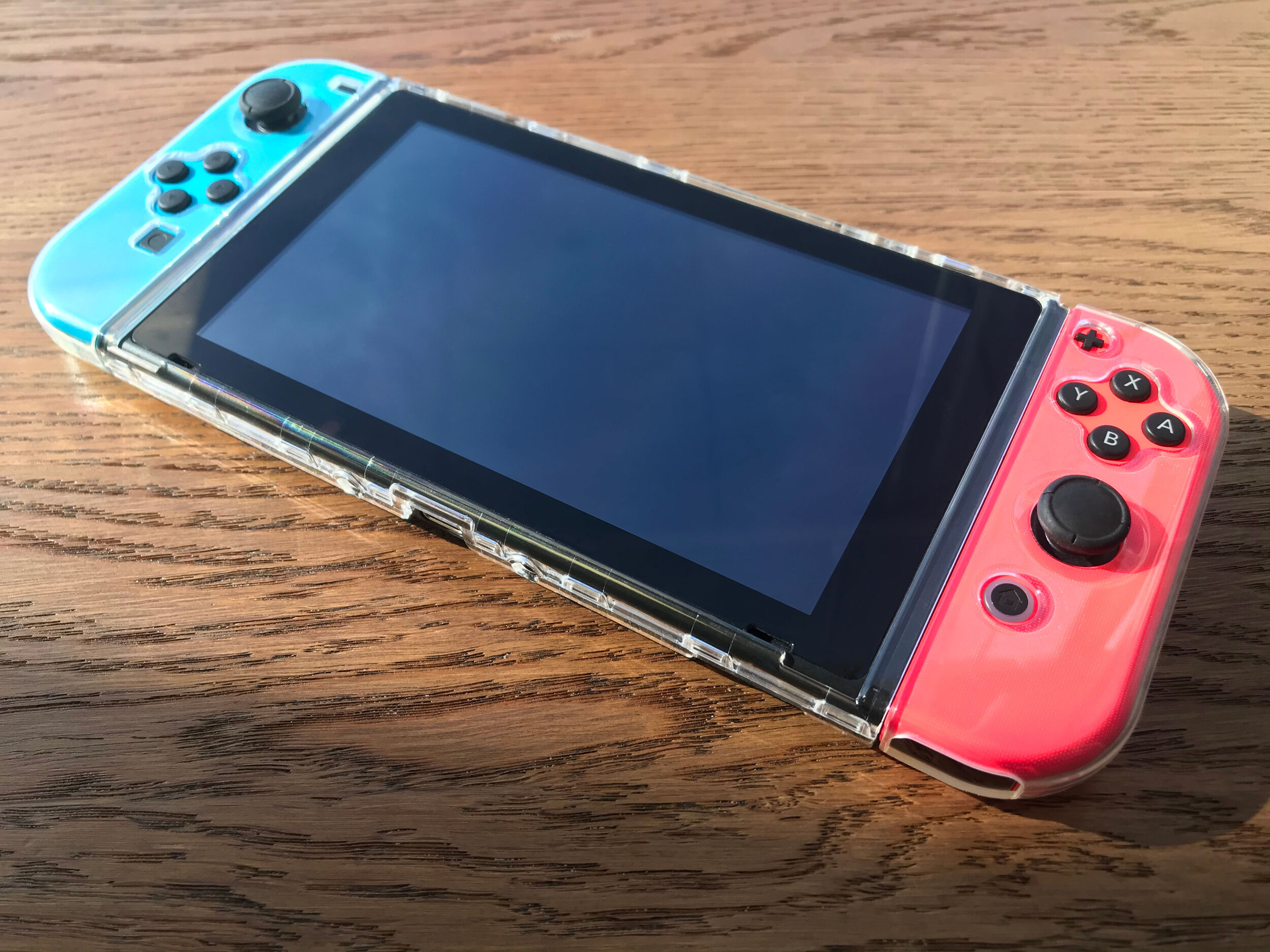
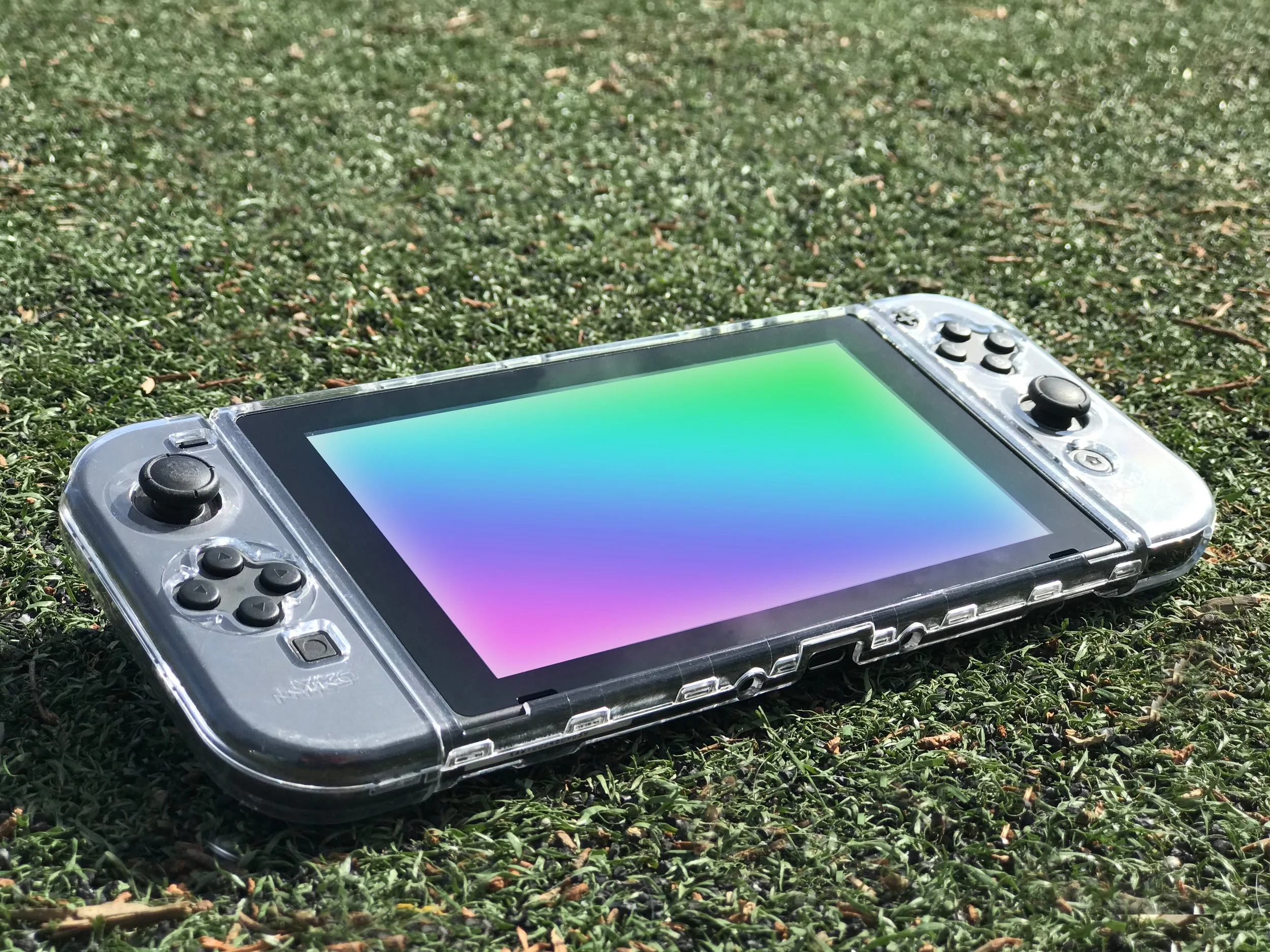
Developed as a low-profile protective accessory for Nintendo Switch, Thin Case addressed a clear consumer need: added protection without the bulk of a traditional hard-shell case.
The product became one of Nyko’s most successful accessories through disciplined fit development, usability refinement, supplier execution, and strong retail positioning.
Nyko
Thin Case
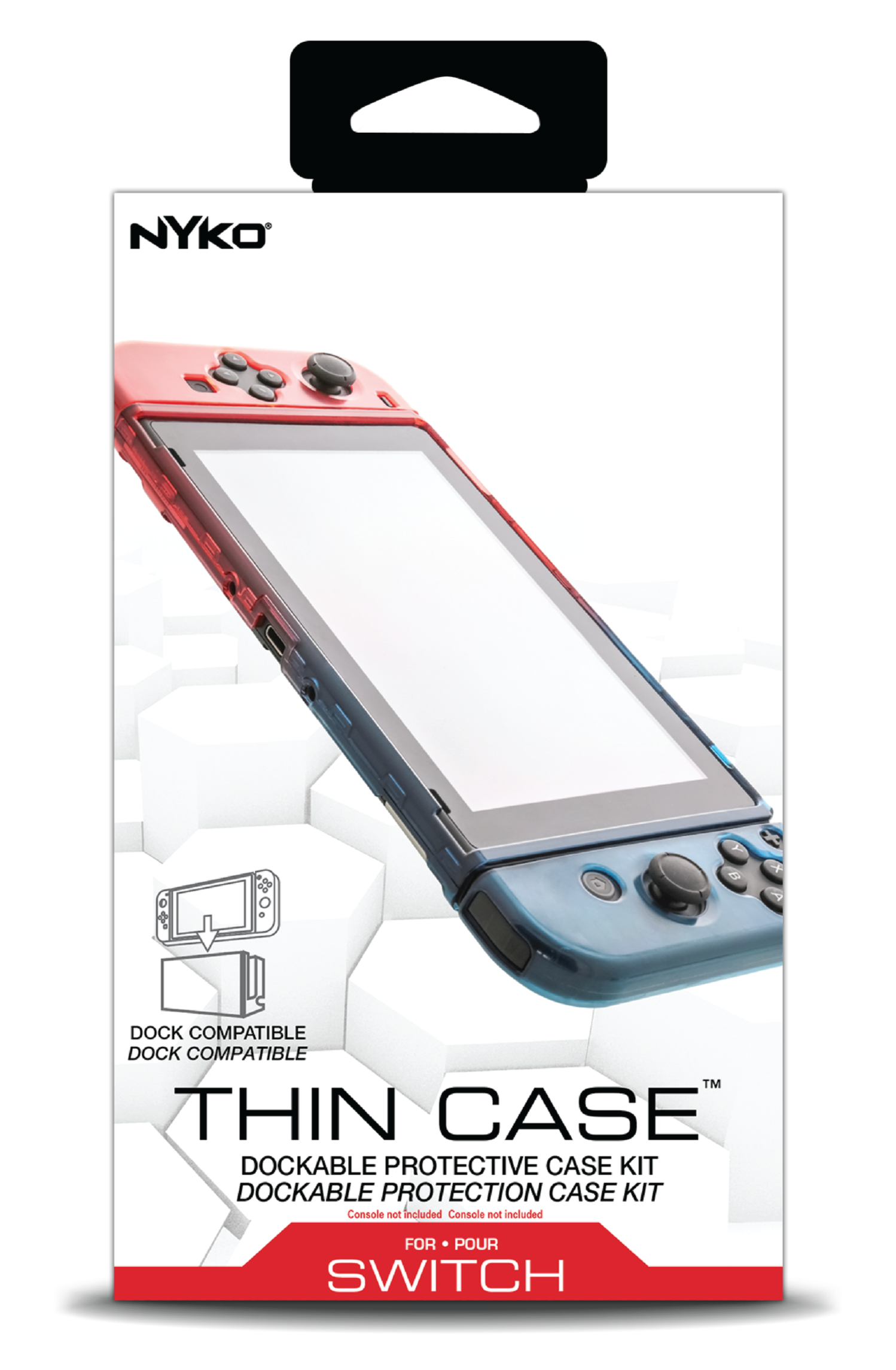
A commercially successful protective accessory balancing slim form, platform fit, durability, manufacturing, and retail readiness.
Nintendo Switch Accessory Case Study
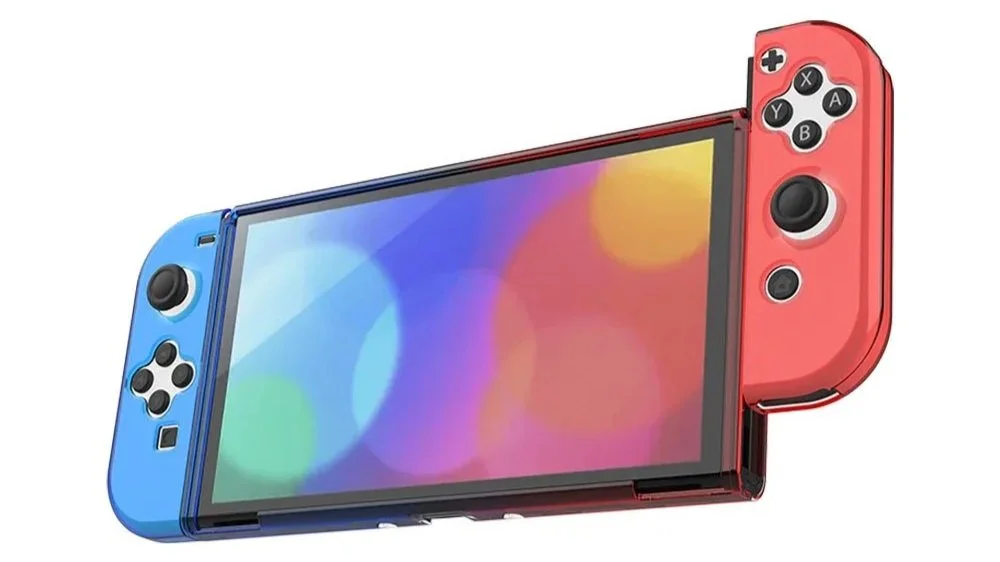
A slim protective case for Nintendo Switch that provides daily protection while maintaining portability, control access, and handheld play.
Thin Case became one of Nyko’s most successful products by balancing platform fit, usability, molded-plastic quality, clear packaging, and retail readiness.
Role: Product Development
Category: Gaming Accessories
Platform: Nintendo Switch
Focus: Product Fit, Molded Plastics, Supplier Development, Packaging, Retail Launch
Project Overview
Thin Case addressed a key market need: Nintendo Switch users sought added protection without the bulk of traditional carrying cases or heavy shells.
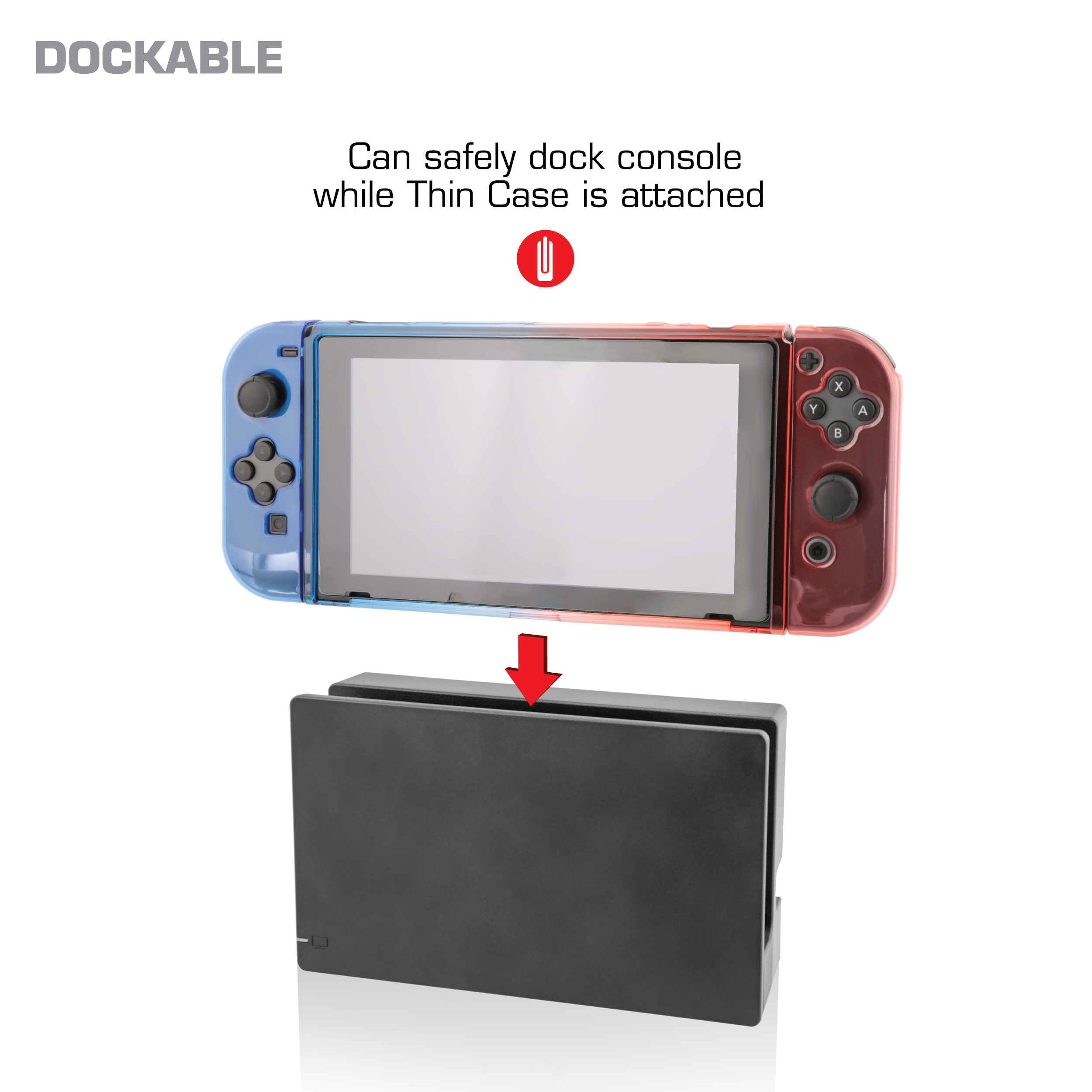
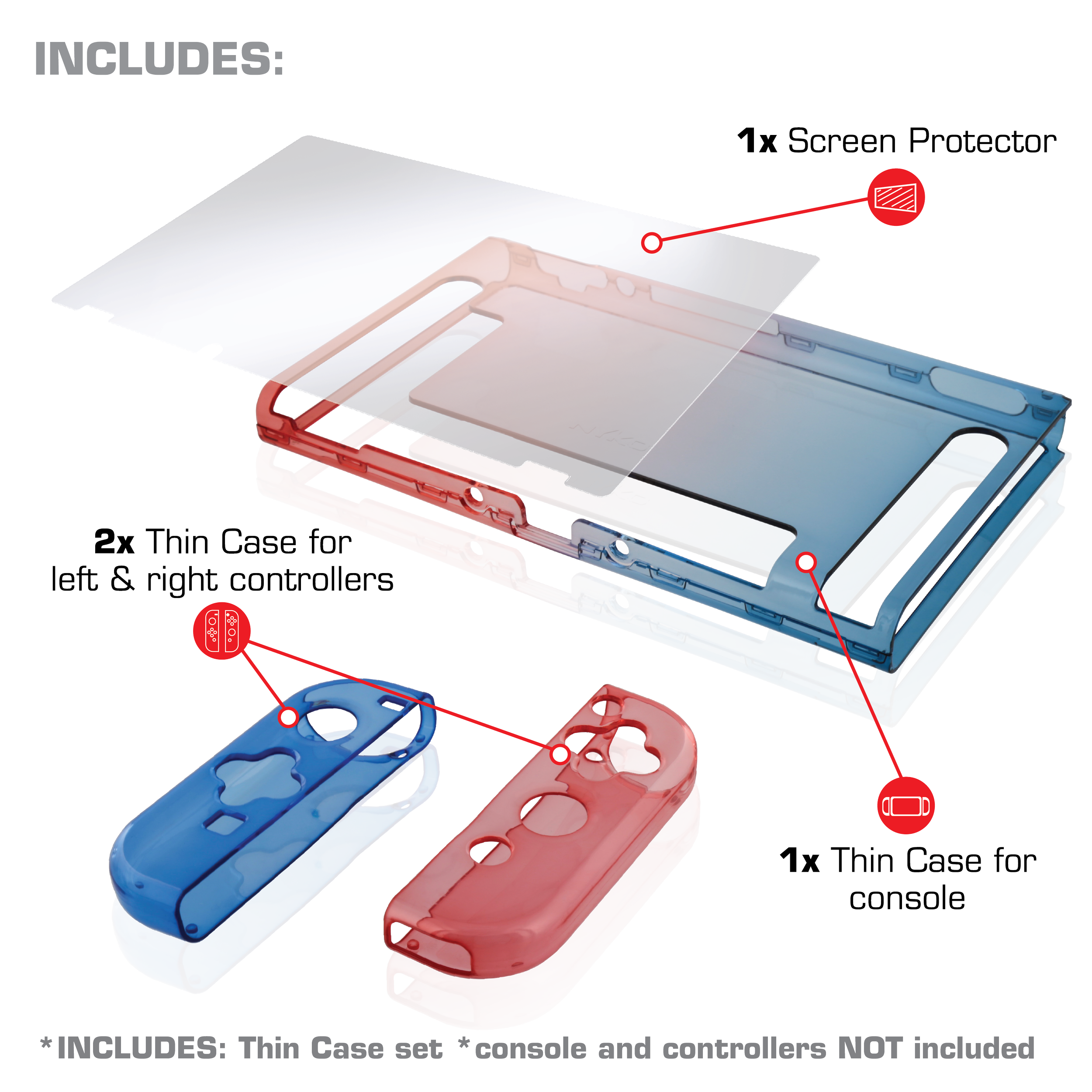
The product needed to remain lightweight, easy to install, comfortable during handheld play, and compatible with the console’s buttons, controls, vents, ports, and removable Joy-Con controllers.
The goal was to create a simple, intuitive accessory that delivered immediate value and met cost, packaging, manufacturing, and retail standards for high-volume gaming accessories.
The Challenge
Protective accessories often require tradeoffs among coverage, comfort, access, and portability.
For Thin Case to succeed, the product had to:
Add meaningful protection without making the console feel bulky
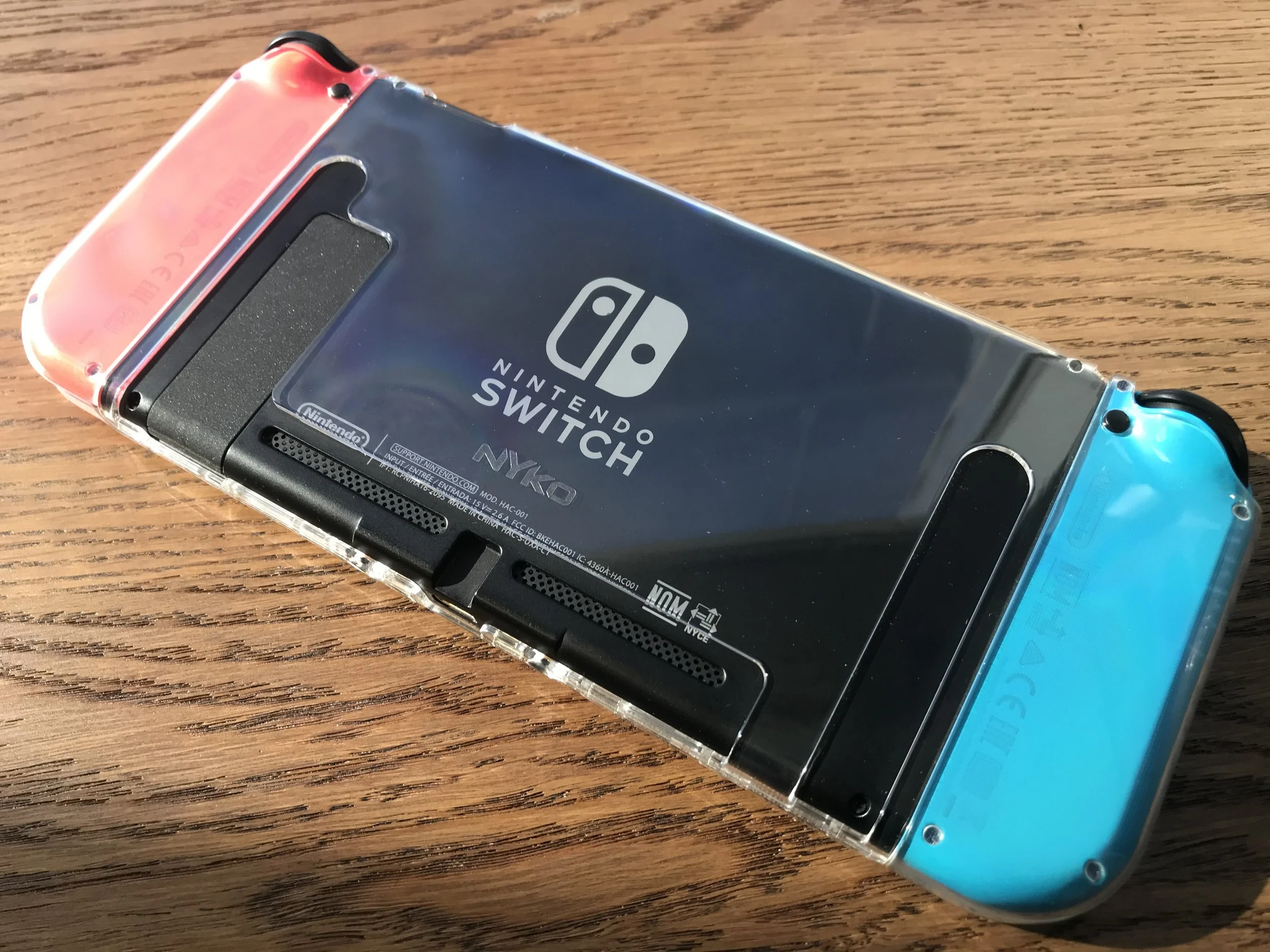
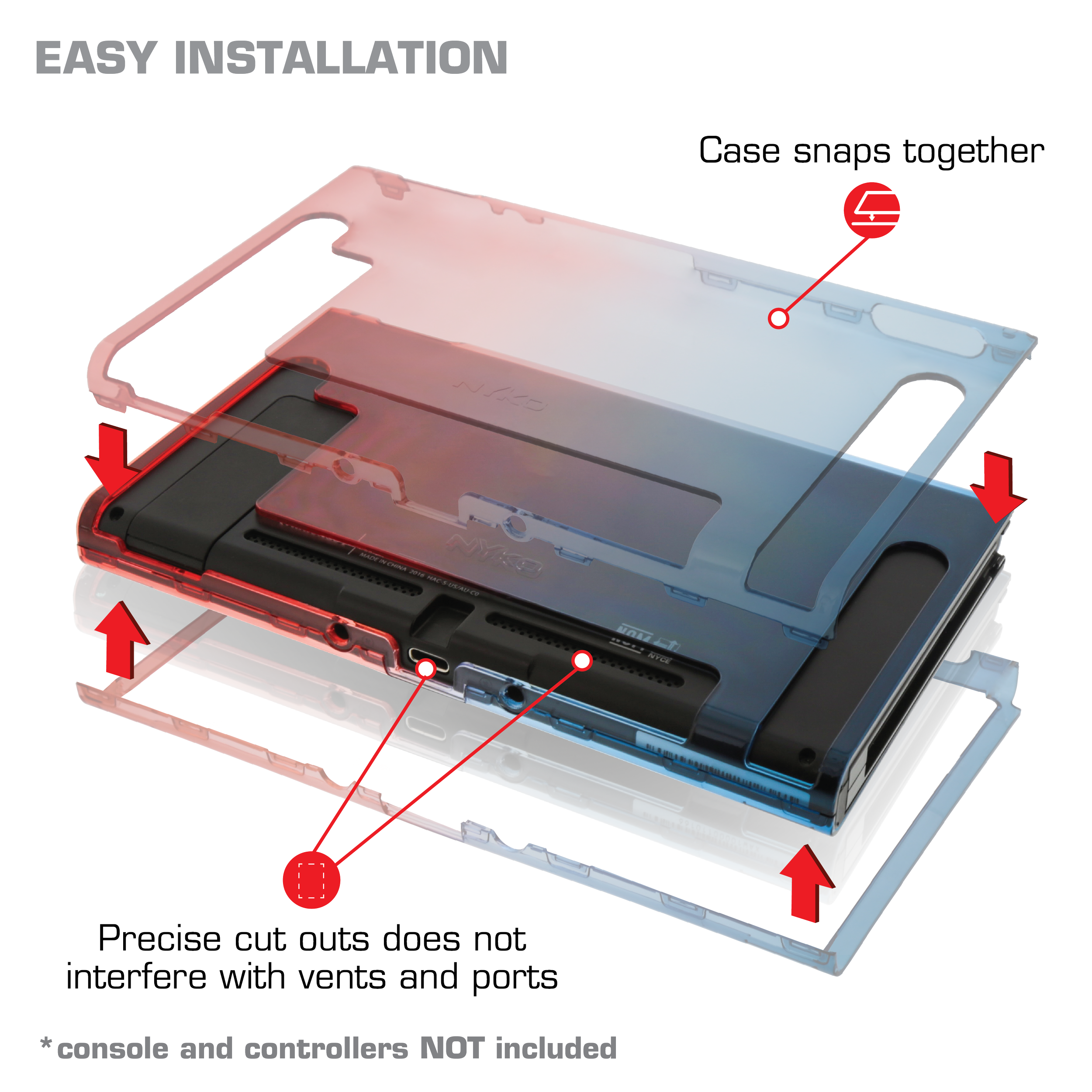
Maintain access to controls, buttons, ports, vents, and speakers
Fit the Nintendo Switch securely across normal production tolerances
Support comfortable handheld play
Allow straightforward installation and removal
Use a construction suitable for scalable manufacturing
Communicate compatibility and value clearly at retail
Meet the pricing expectations of the gaming accessory market
Although the product appeared simple, its success relied on careful attention to many small details.
My Role
I supported the product development process from concept refinement to supplier execution and retail readiness.
My responsibilities included:
Refining the product form and protective coverage
Reviewing platform fit, access points, and handheld usability
Evaluating supplier samples and identifying development changes
Reviewing molded-part quality, fit, finish, and tolerances
Coordinating product feedback across design, sourcing, packaging, and operations
Supporting packaging readiness and consumer-facing product communication
Helping prepare the product for retail launch

Development Approach
-
The product proposition had to remain clear:
Protect the console without changing how people use it.
This required avoiding unnecessary structure, excessive wall thickness, or features that could compromise the Switch’s portability and handheld experience.
The design focused on low-profile protection, simple installation, and immediate usability.
-
The case needed to follow the console closely while maintaining access to all key interaction points.
Development review focused on:
Joy-Con controls and shoulder buttons
Power and volume controls
Charging and accessory ports
Ventilation openings
Speakers
Kickstand and rear access areas
Screen visibility
Comfort during handheld play
Small geometric changes could affect fit, usability, or assembly, so these areas required careful review throughout development.
-
The central product trade-off was between protection and bulk.
Too little coverage would reduce perceived value. Too much material would make the Switch heavier, less comfortable, and more difficult to carry.
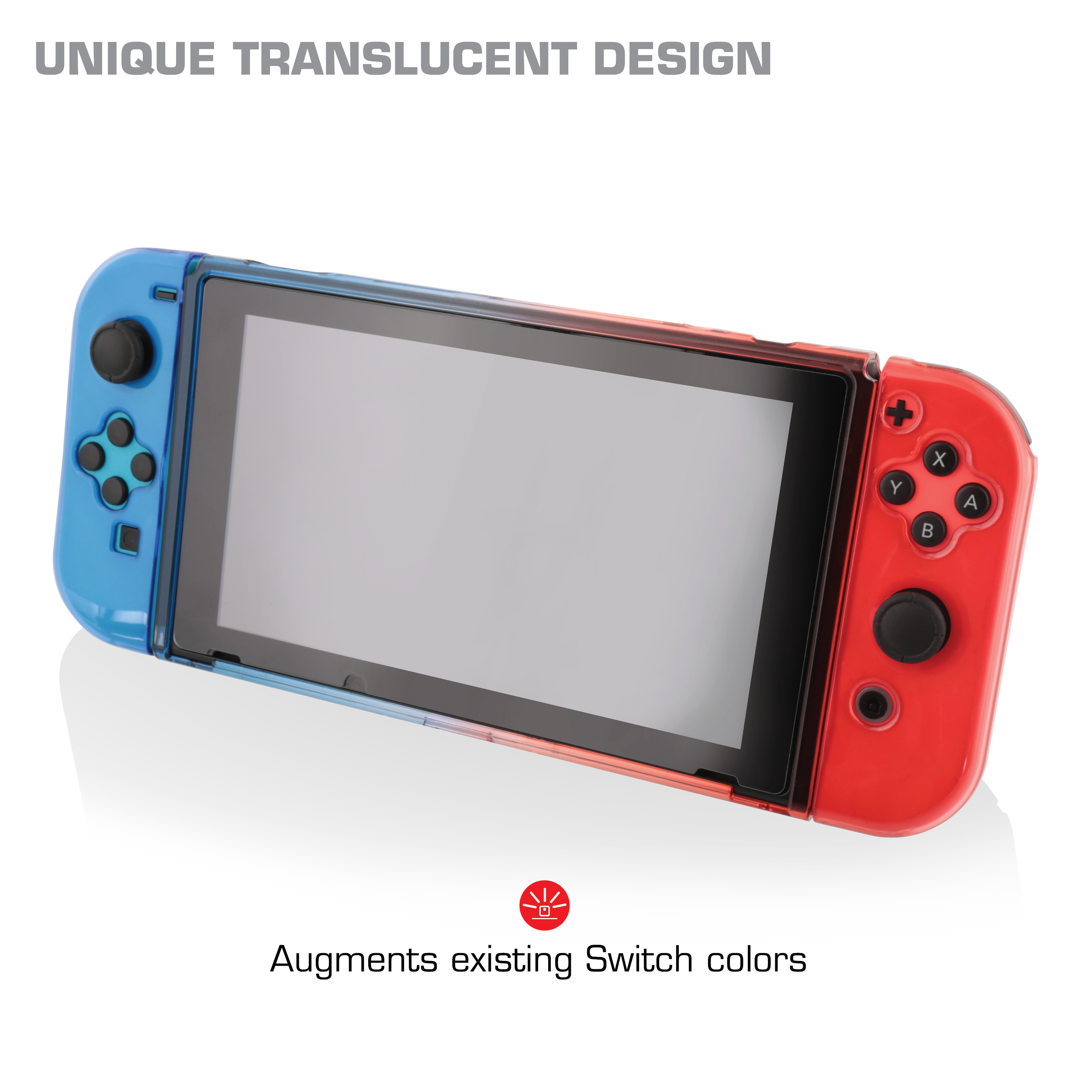
The product form was refined to provide protective coverage around vulnerable surfaces and edges while preserving the slim profile that defined the product concept.
-
Thin Case required a production approach capable of delivering a repeatable fit, a clean appearance, and a competitive retail cost.
Supplier development focused on:
Part geometry and manufacturability
Wall thickness and structural consistency
Edge conditions and transitions
Molded surface quality
Product flexibility and installation
Fit across normal manufacturing tolerances
Part consistency between samples and production
Sample feedback was used to improve fit, finish, usability, and production readiness.
-
A successful protective accessory should not require explanation.
The case needed to install securely without feeling difficult to install, fragile, or overly tight. It also needed to be removable without damaging the product or creating frustration for the user.
Development reviews considered:
Installation sequence
Flex points and snap behavior
User grip and handling
Retention during normal use
Removal effort
Repeated installation and removal
-
Item description
Related Case Study
Nyko Dpad Case
Protective Case With Integrated Directional Control
Dpad Case extended Nyko’s Nintendo Switch protective accessory strategy by combining everyday device protection with an integrated directional-pad overlay for Joy-Con gameplay.
The product was built on the same platform-fit discipline required for Thin Case, while adding a more complex user-interaction challenge: improving directional control without interfering with Joy-Con access, handheld comfort, installation, or console compatibility.
View Dpad Case Study