
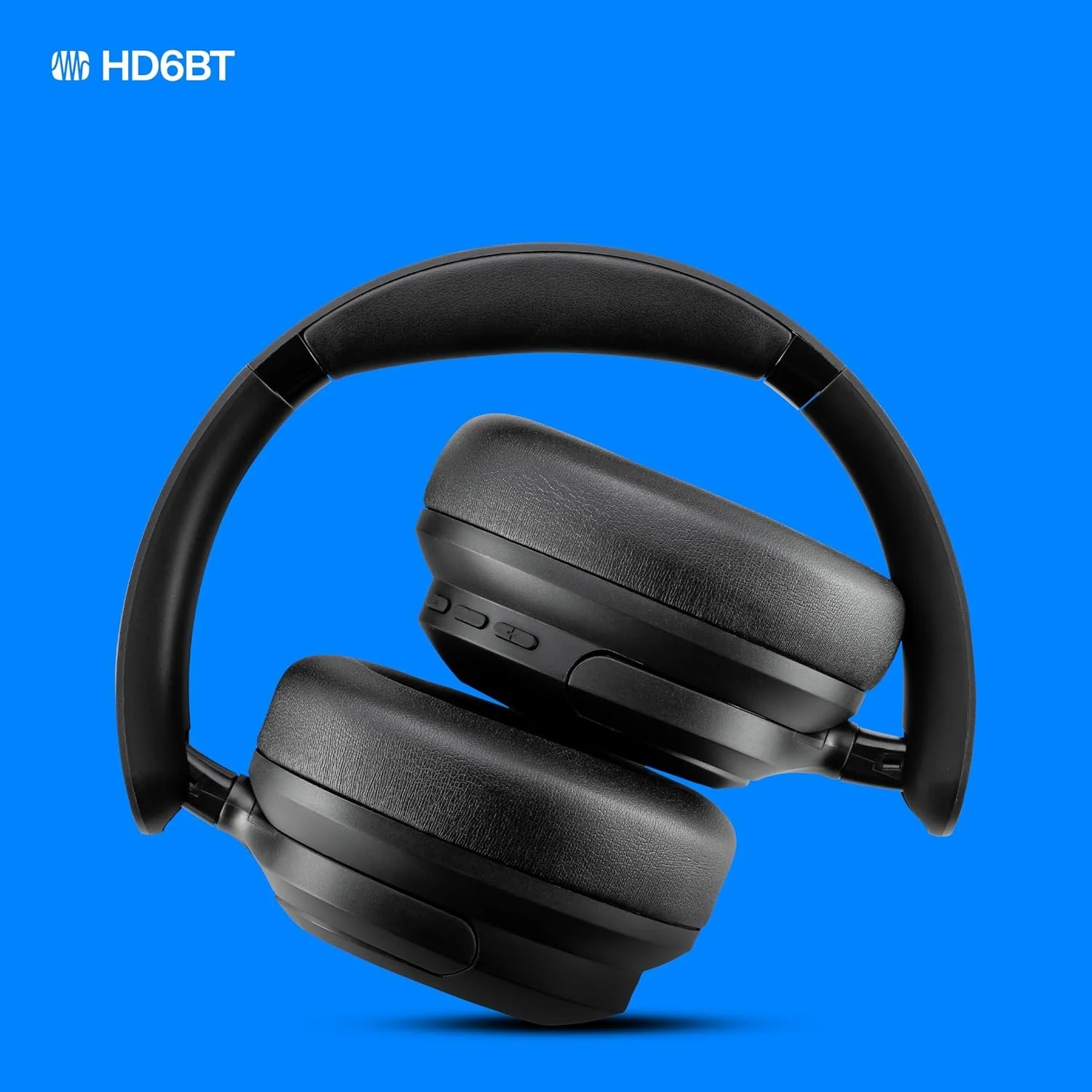
PreSonus HD6BT & HD4BT Bluetooth Headphones
Consumer Audio Headphone Product Development Case Study
A Bluetooth headphone product line developed for PreSonus, designed to extend the brand’s audio credibility into a more accessible consumer listening category.
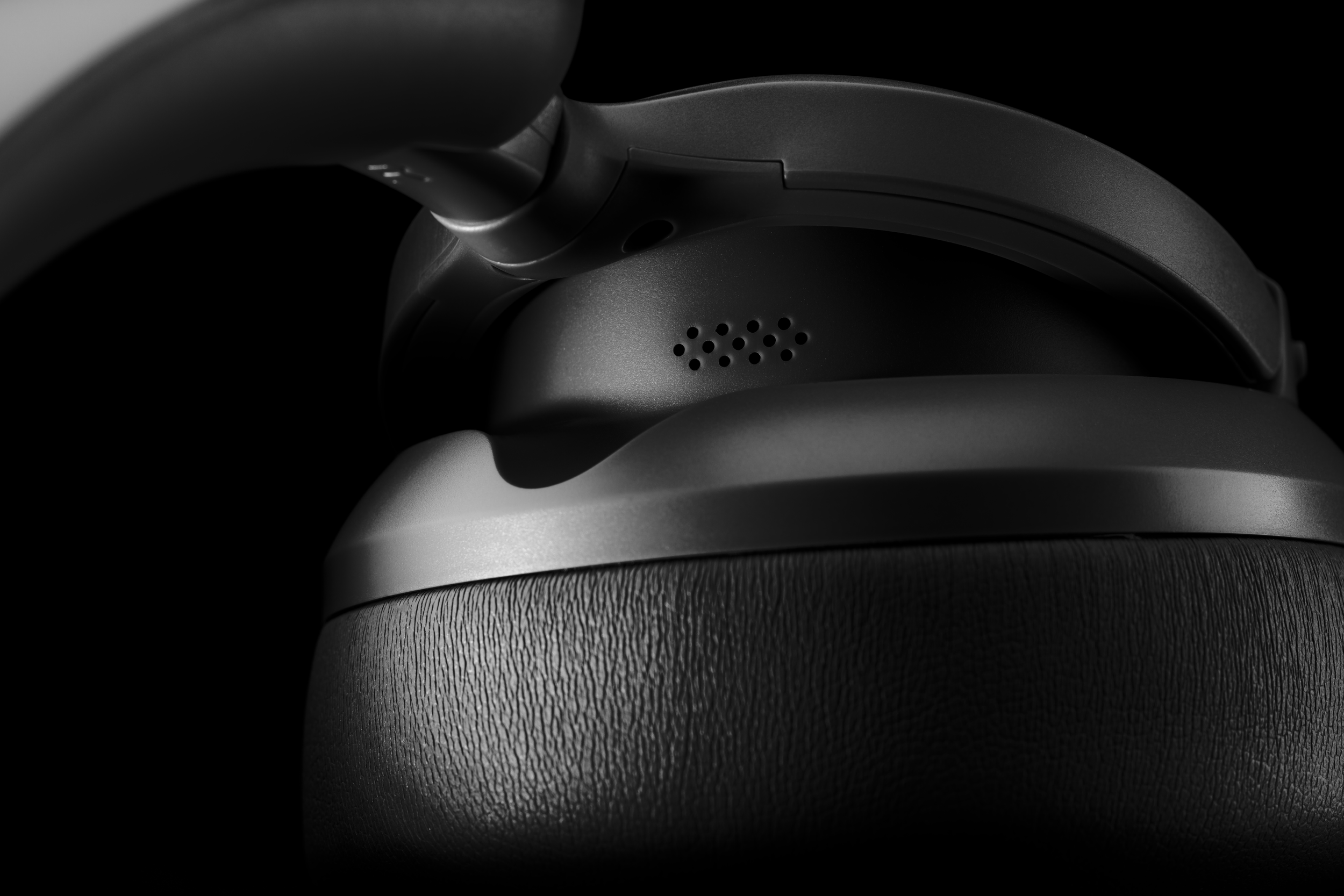
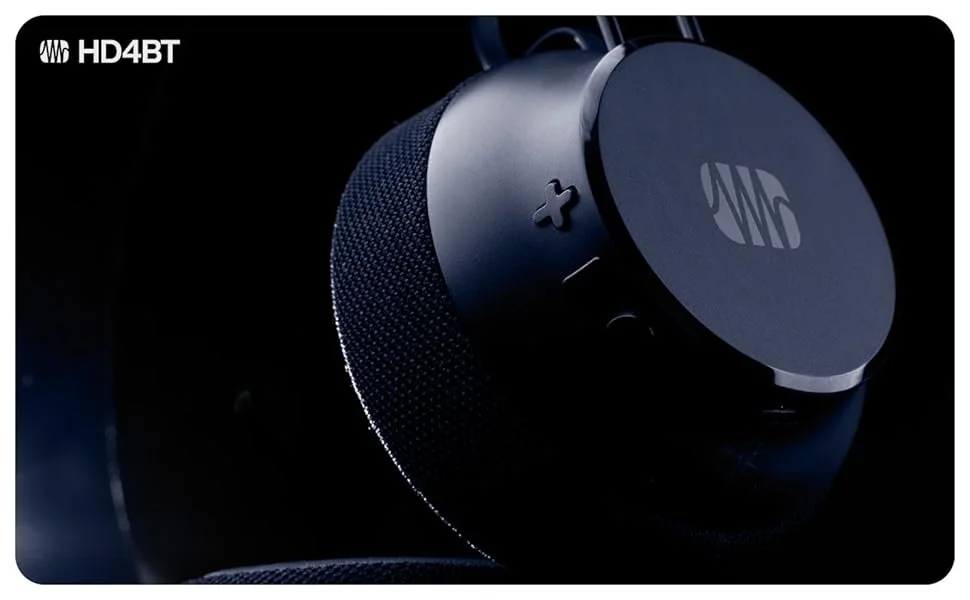
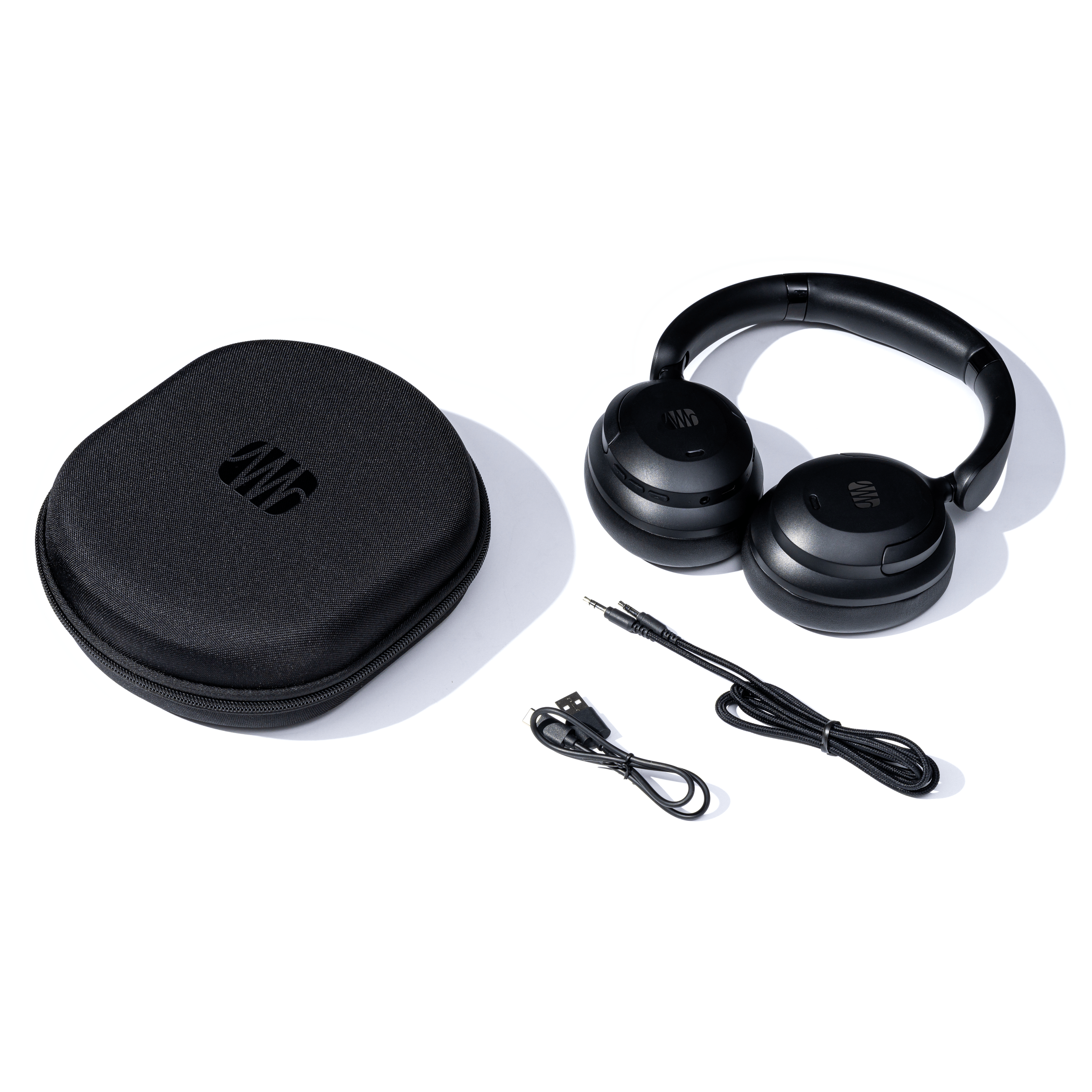
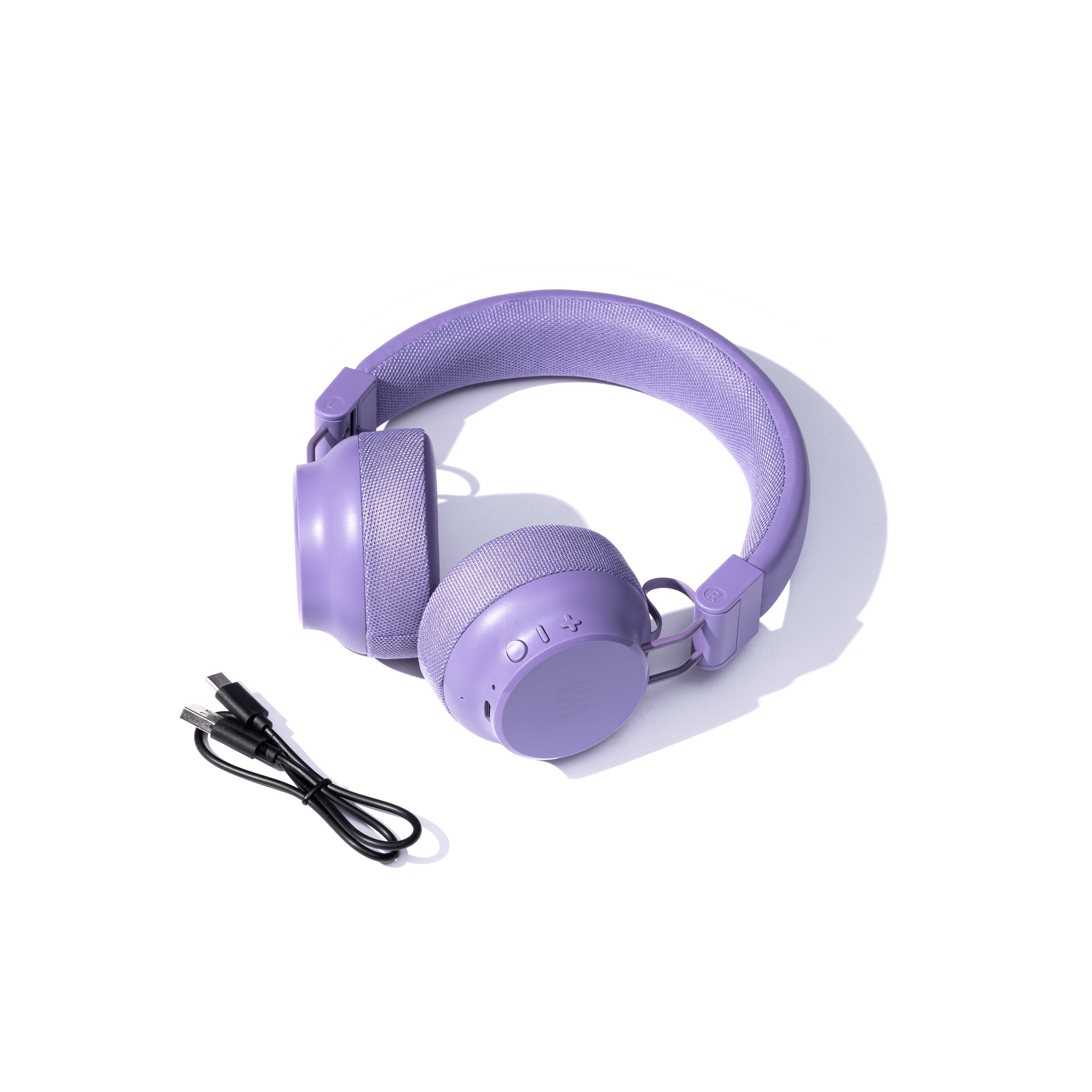
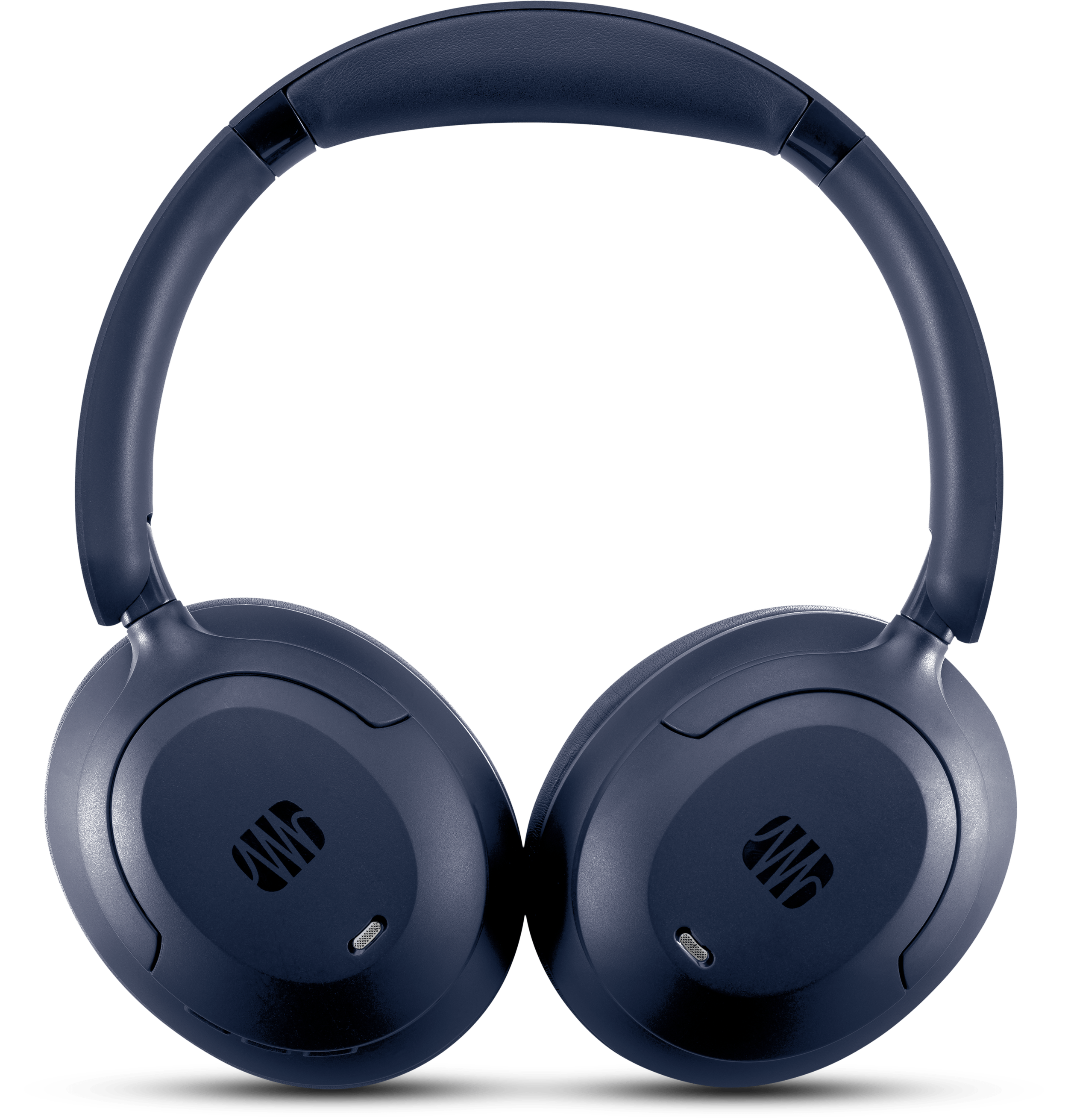
The HD6BT and HD4BT headphones balanced sound expectations, wearable comfort, Bluetooth usability, industrial design refinement, OEM development, packaging, Amazon content, and commercial launch readiness.
Role: Product Development and Product Management
Brand: PreSonus / Fender
Category: Consumer Audio Hardware
Product Type: Bluetooth Headphones
Focus: Product Definition, OEM Development, Audio Hardware, Packaging, Amazon Launch, Commercialization
Project Overview
PreSonus is recognized for professional audio products used by musicians, creators, and recording professionals. The opportunity for the HD6BT and HD4BT headphones was to extend that credibility into a consumer-facing Bluetooth headphone line.
The products needed to feel connected to the PreSonus audio ecosystem while serving everyday listening use cases such as music, work, travel, entertainment, and casual content consumption.
The development challenge was to balance brand credibility with consumer expectations for comfort, portability, controls, battery-powered use, Bluetooth connectivity, packaging, and online product communication.
The Opportunity
The Bluetooth headphone category is highly competitive, with products competing on sound, comfort, battery life, portability, styling, price, and brand trust.
PreSonus had strong credibility in audio, but a consumer headphone product needed to communicate that credibility in a way that felt accessible and easy to understand.
The opportunity was to create a headphone line that could:
Extend PreSonus into everyday Bluetooth listening
Support music, media, work, and travel use cases
Offer multiple headphone options within a coordinated product line
Translate audio-brand credibility into consumer-friendly products
Balance comfort, controls, portability, and perceived quality
Support Amazon and e-commerce product storytelling
Create a clear bridge between professional audio heritage and consumer electronics use
The challenge was to make the headphones feel technically credible without becoming intimidating or overly niche for everyday users.
My Role
I led and coordinated product development activities across product definition, competitive review, OEM development, sample evaluation, packaging, content creation, and launch readiness.
My responsibilities included:
Supporting product positioning for the HD6BT and HD4BT headphone line
Reviewing competitive Bluetooth headphone products and category expectations
Establishing target features, use cases, price positioning, and product requirements
Coordinating with OEM partners on product development and sample execution
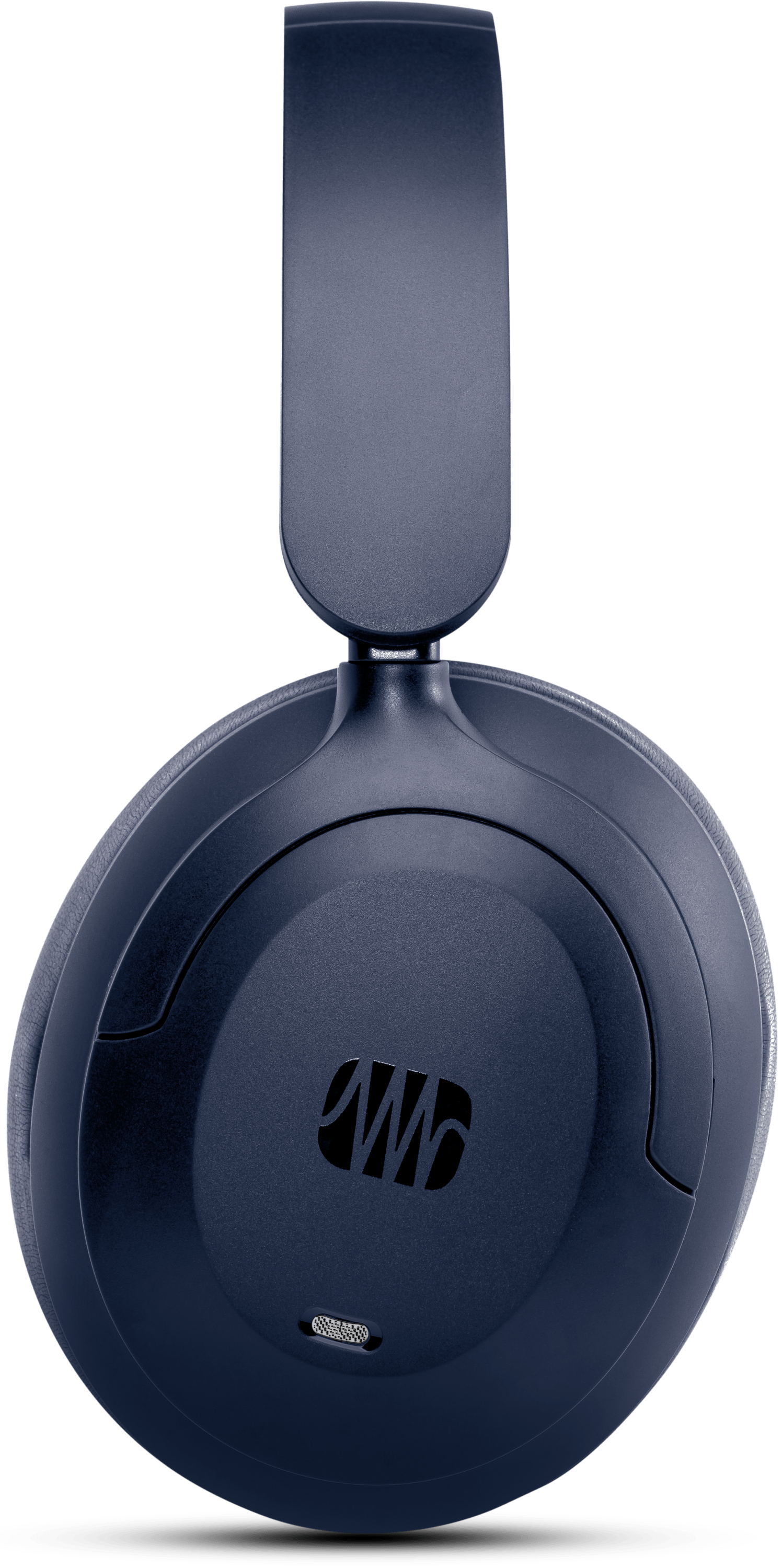
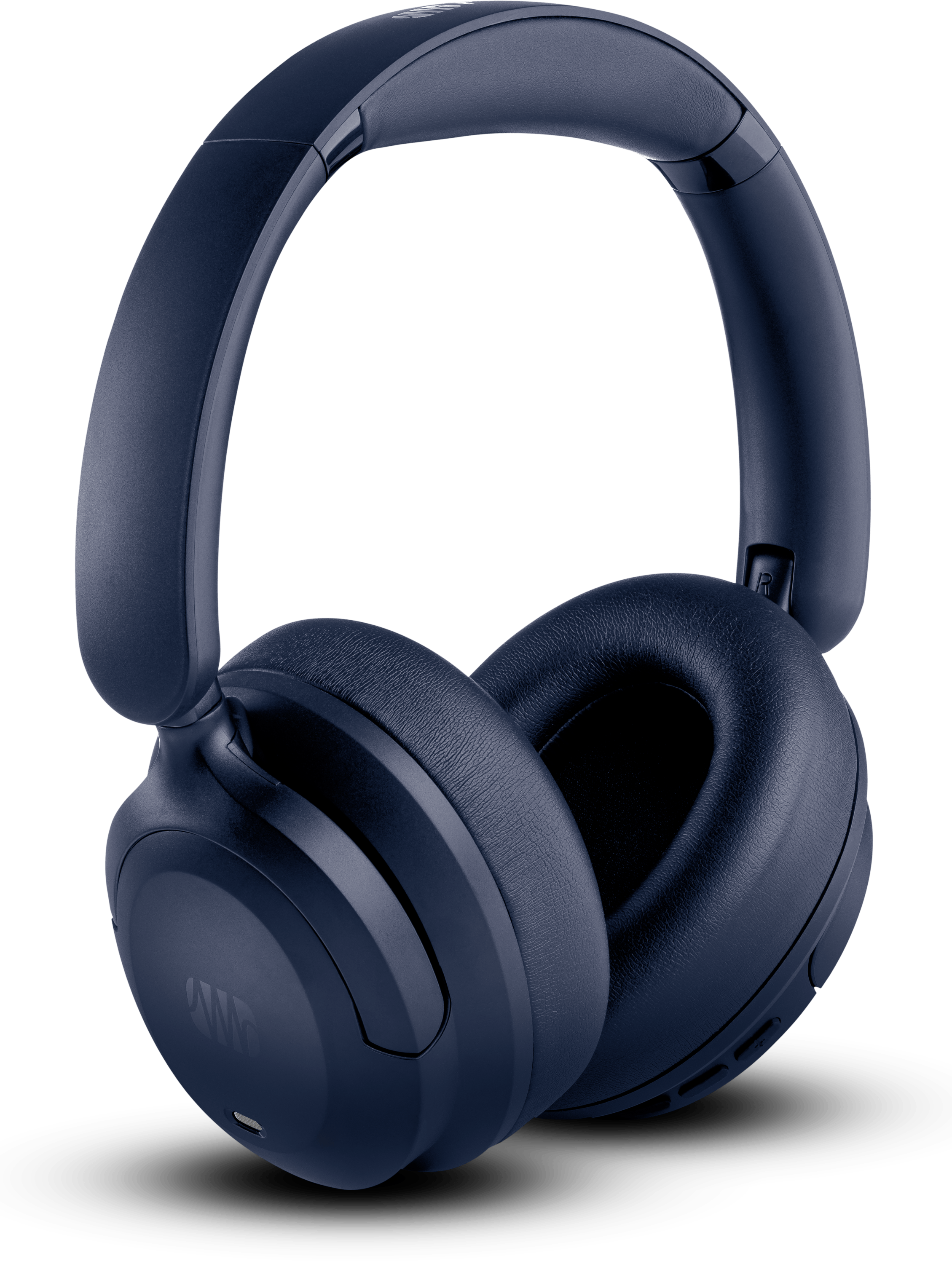
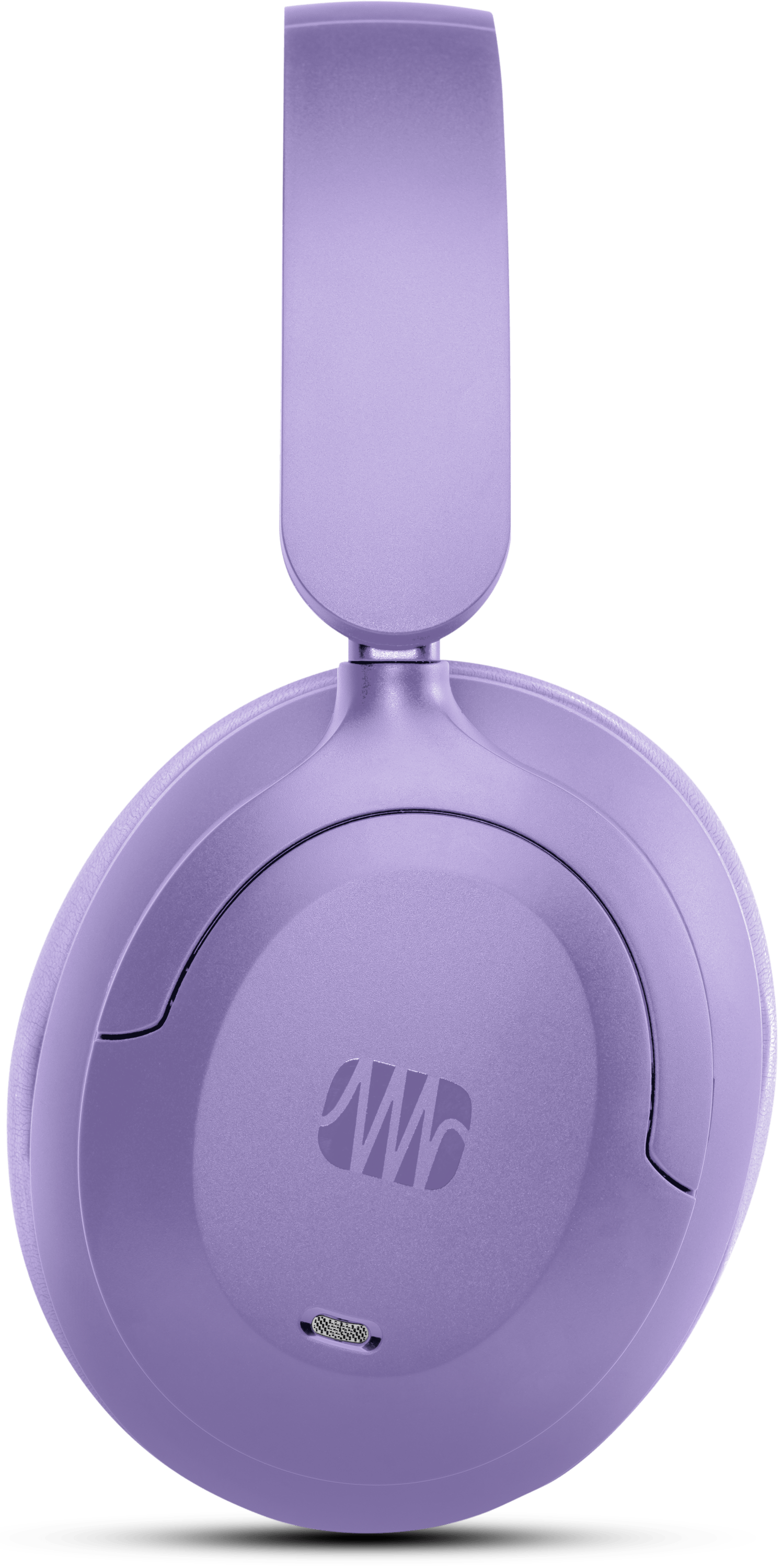
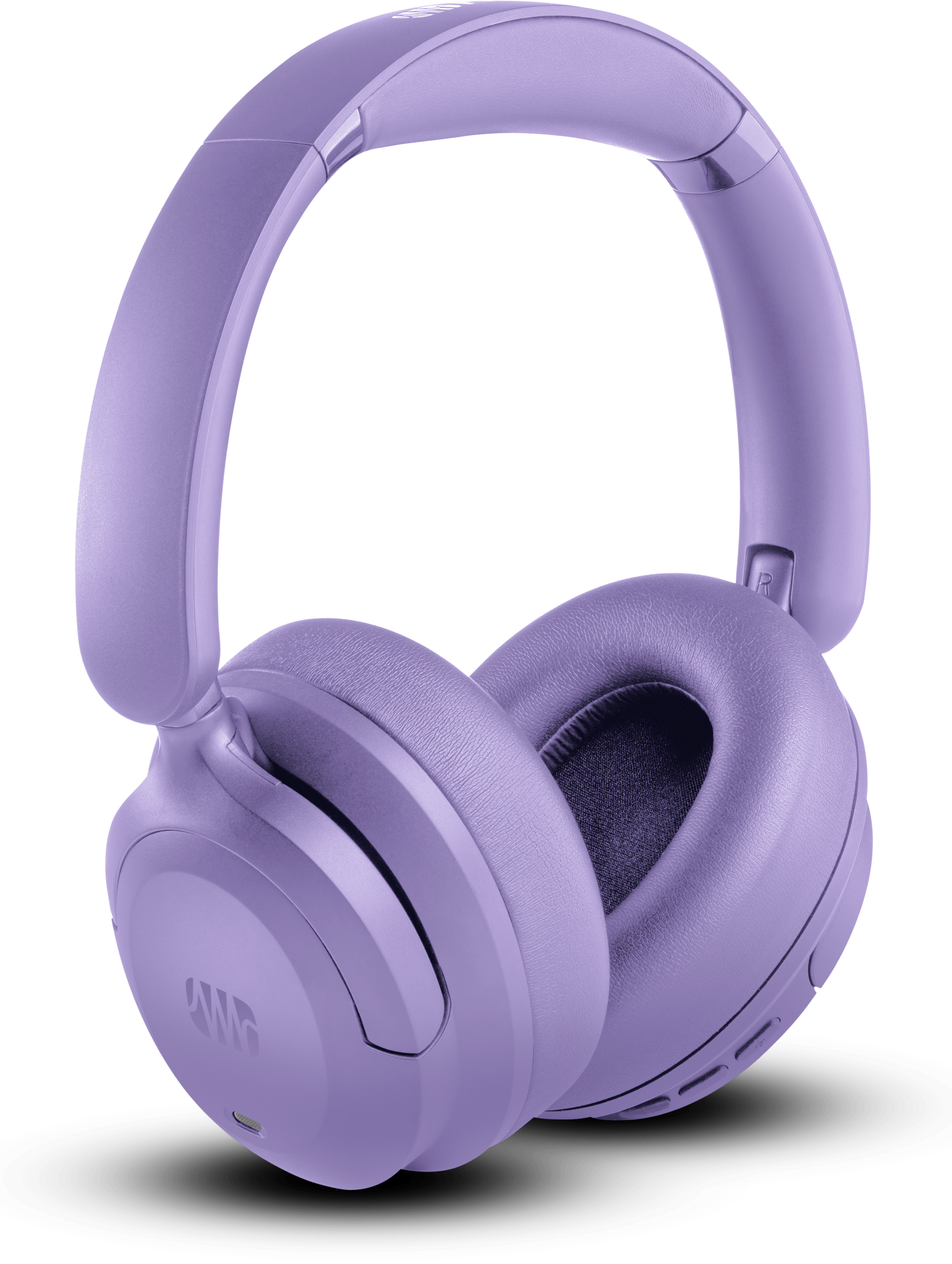
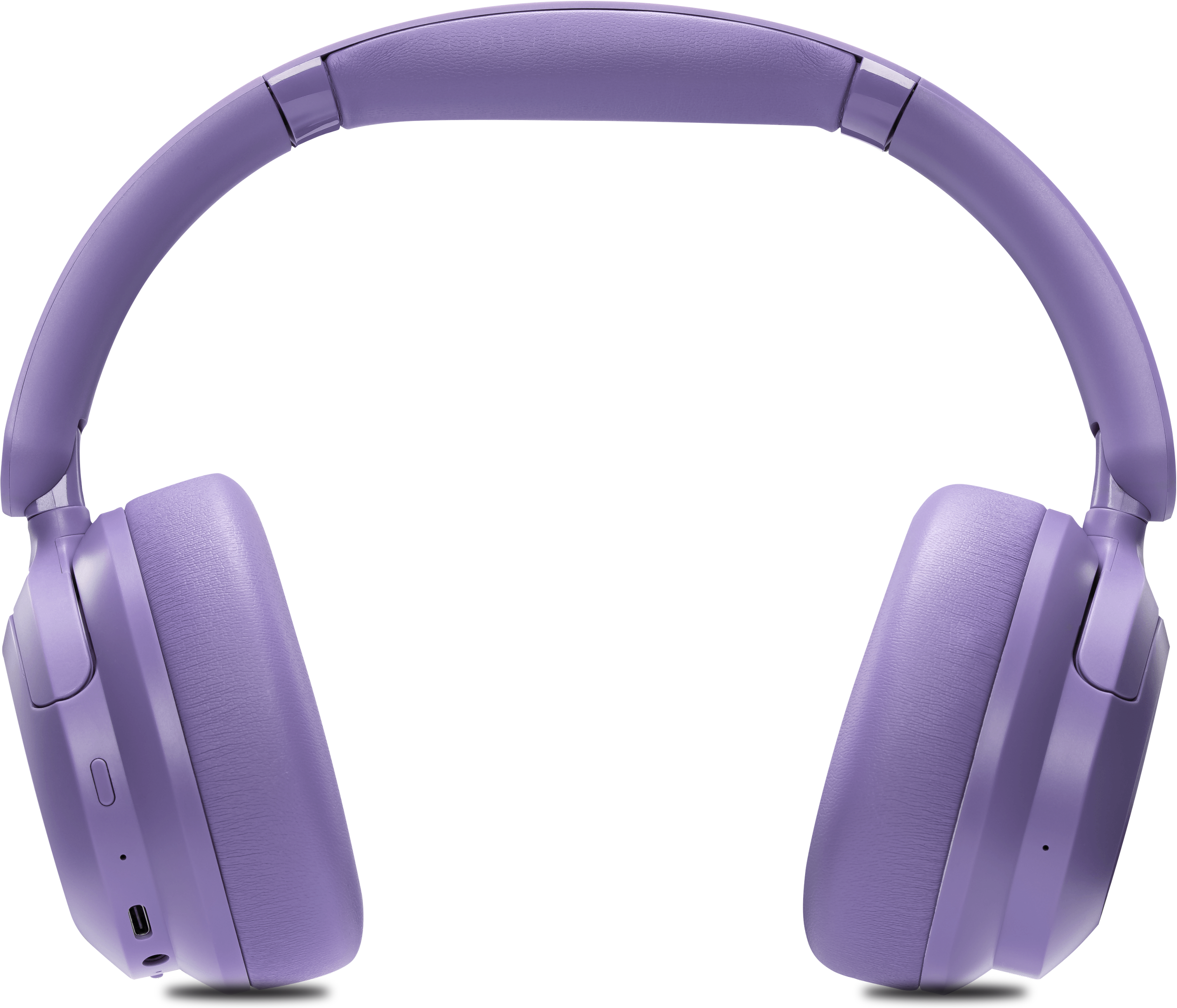
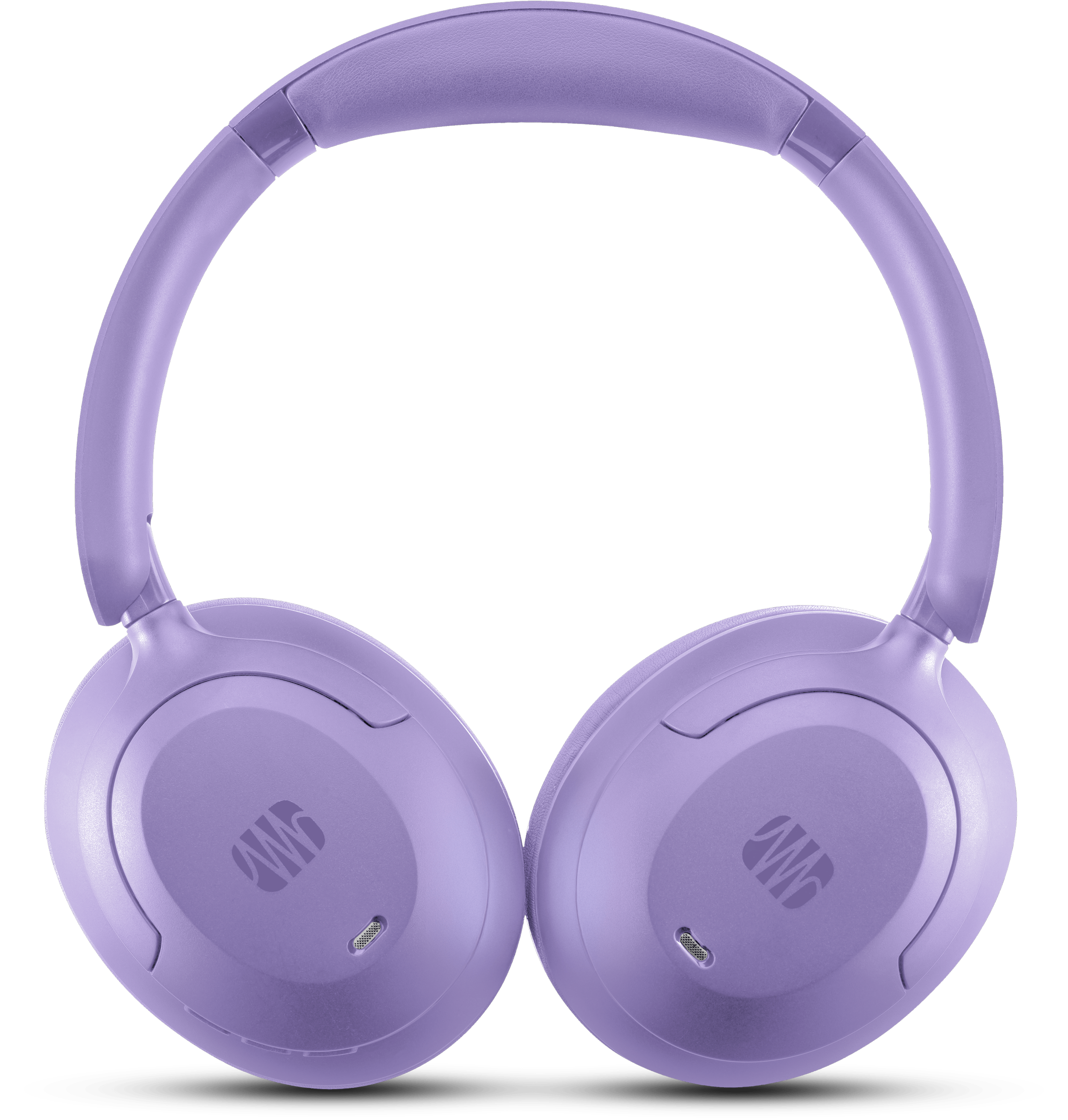
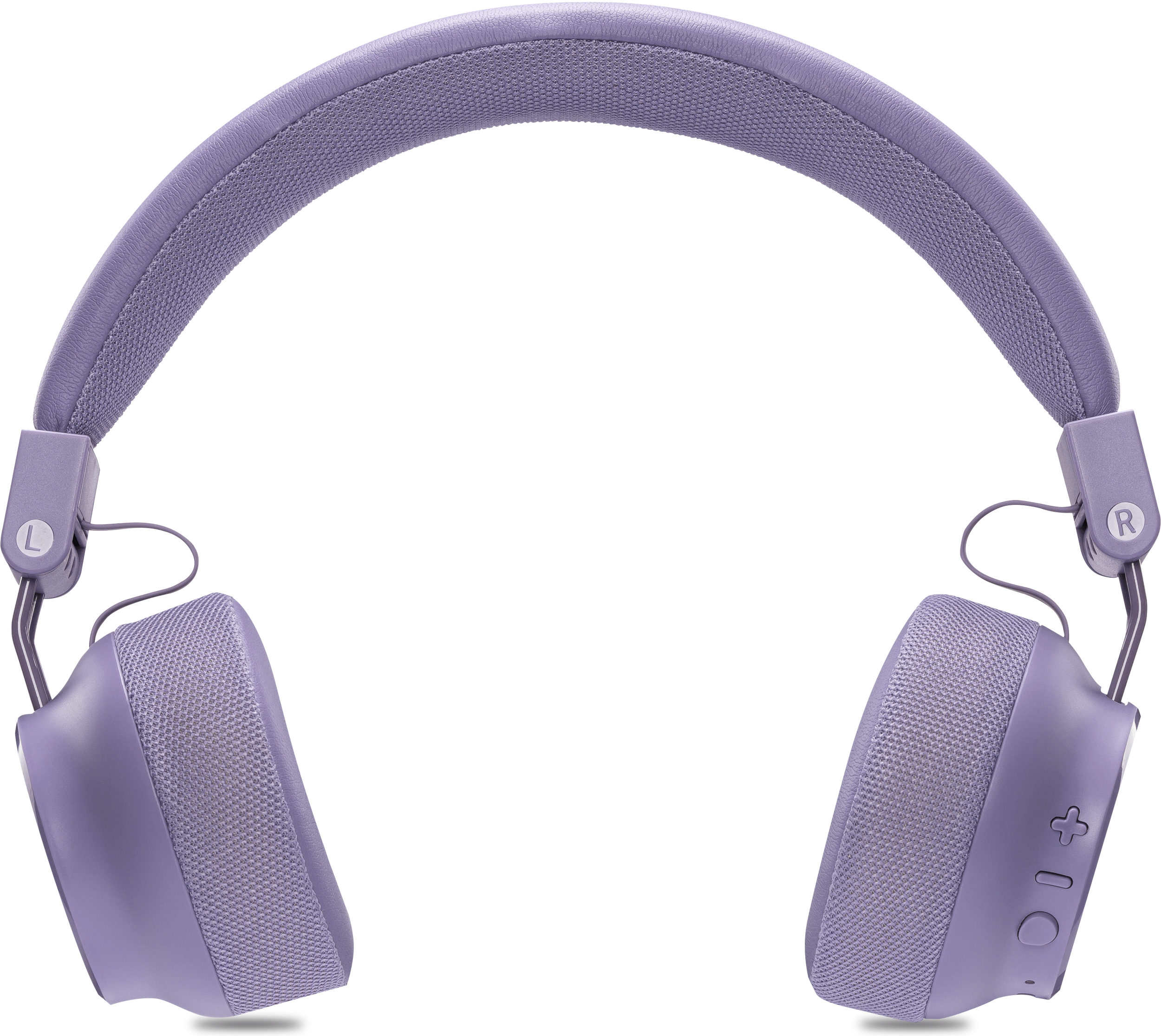
Reviewing headphone form, proportions, controls, finishes, and branding
Evaluating comfort, fit, adjustability, materials, and perceived quality
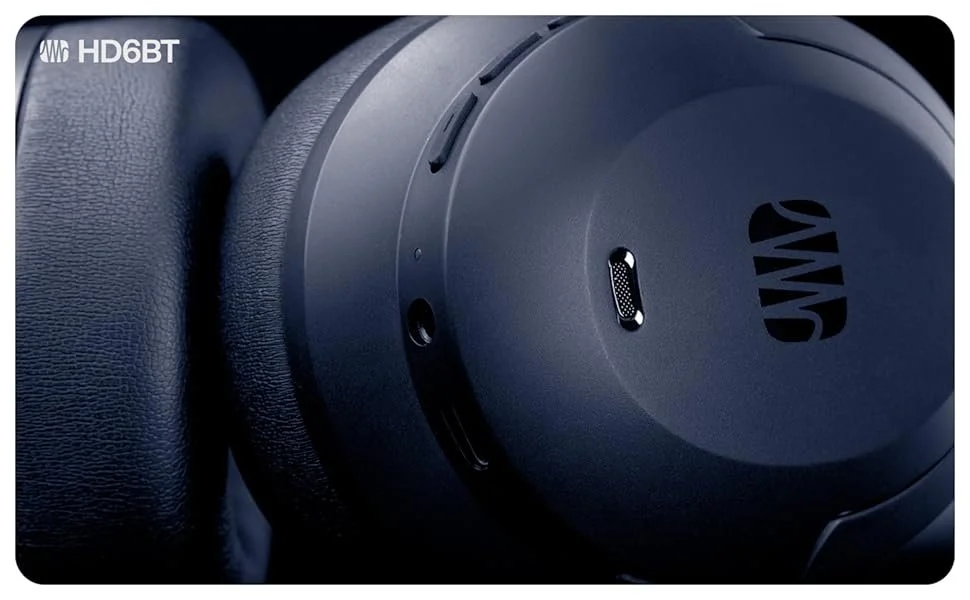
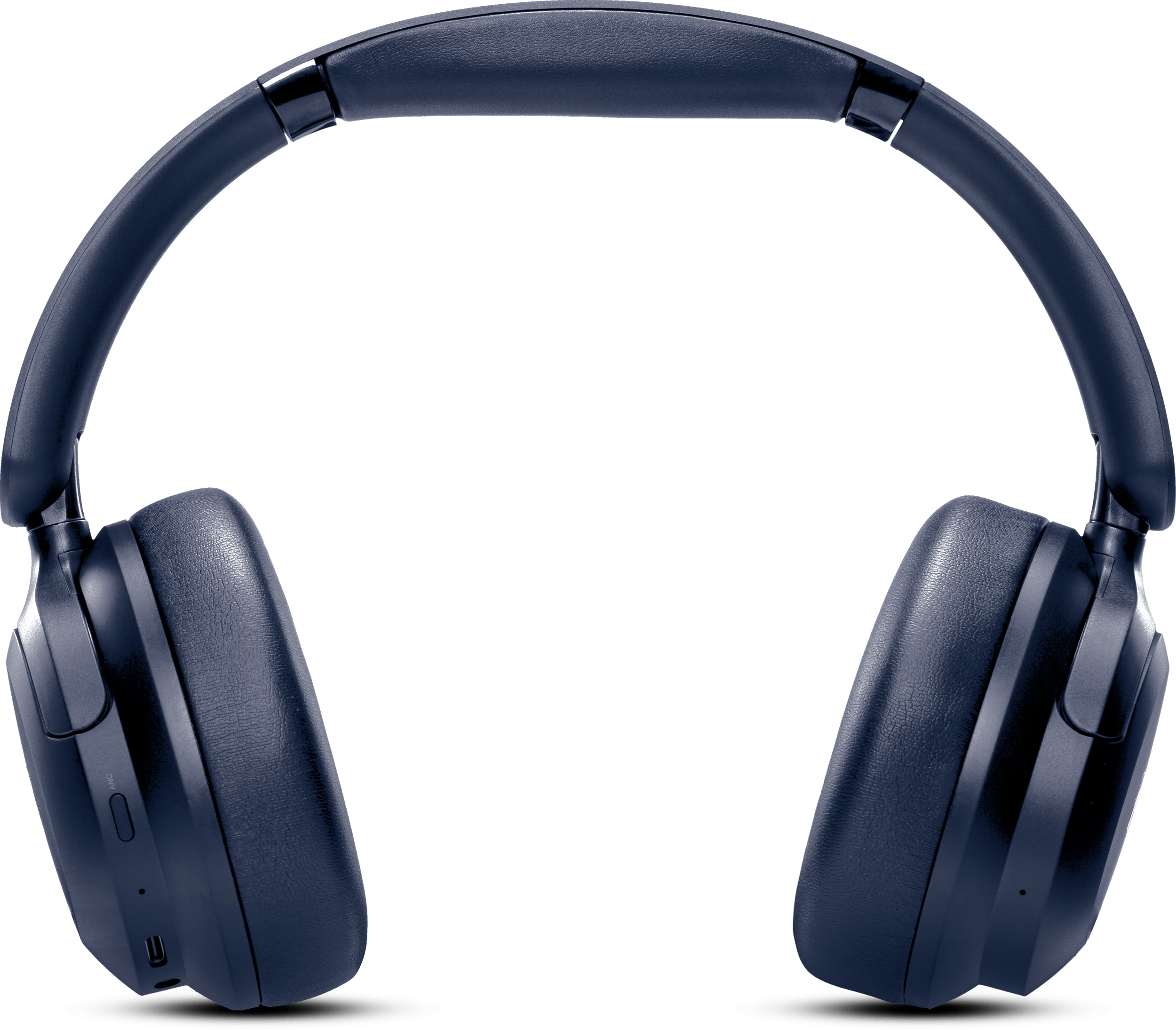
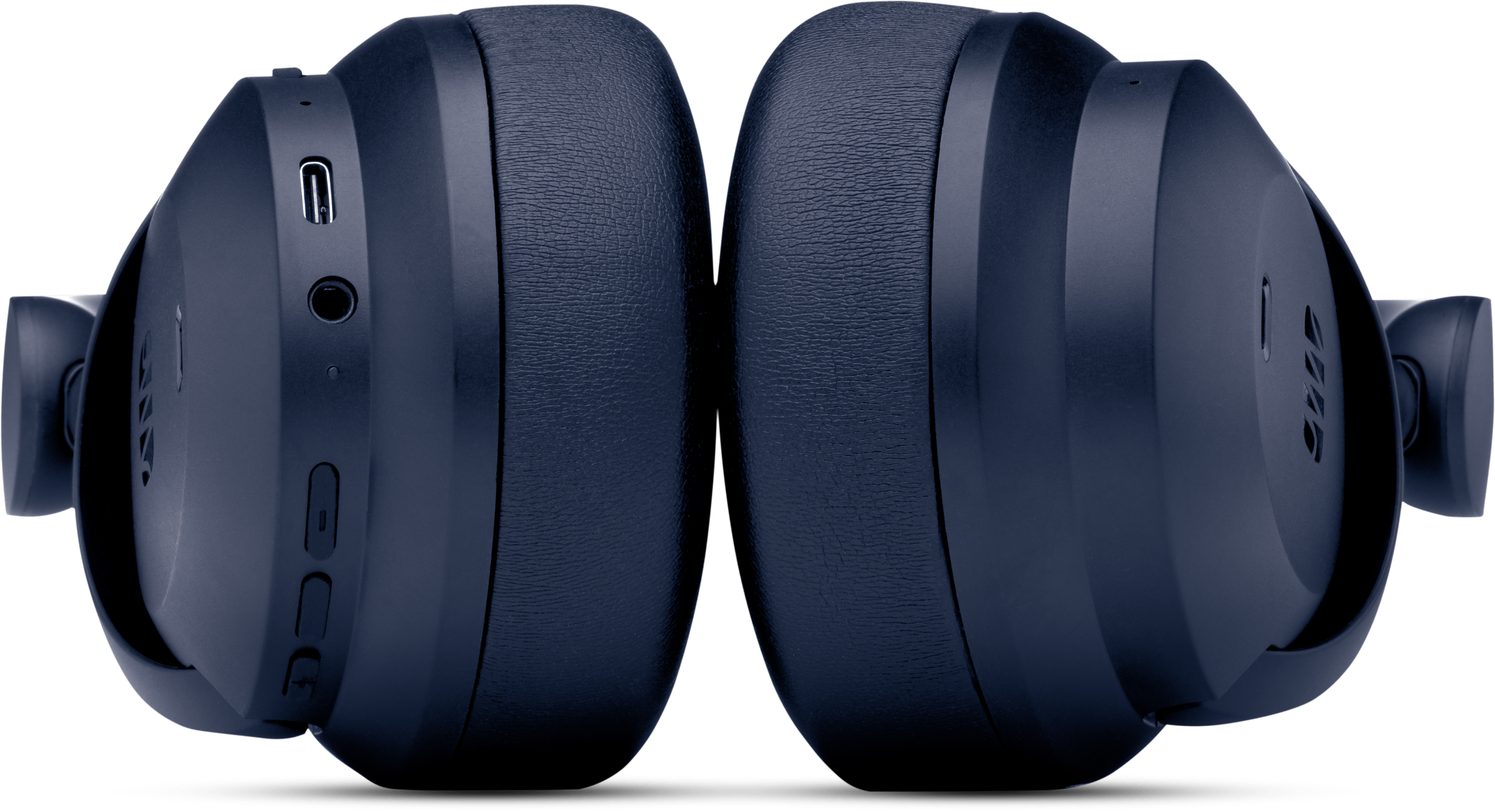
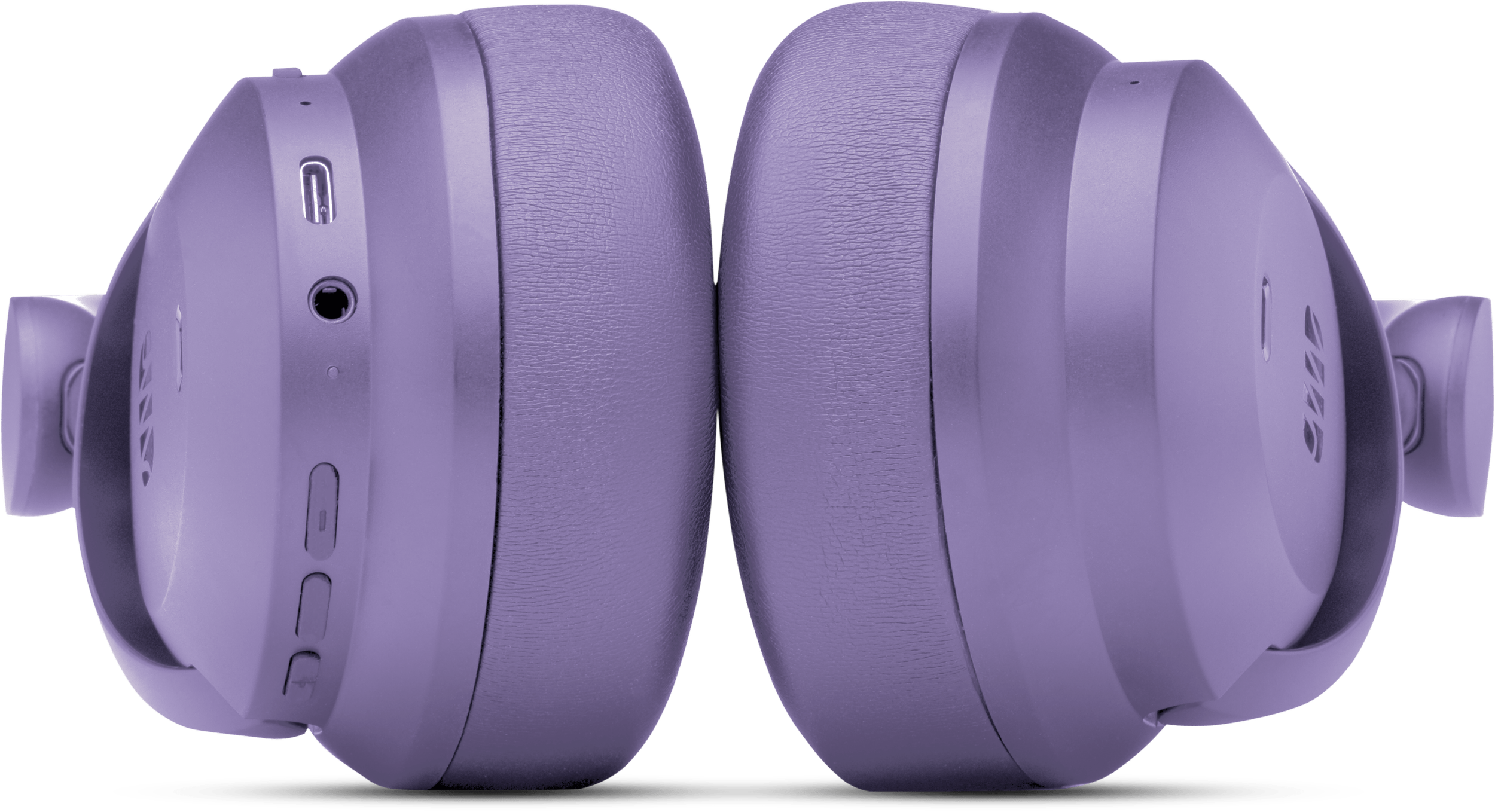
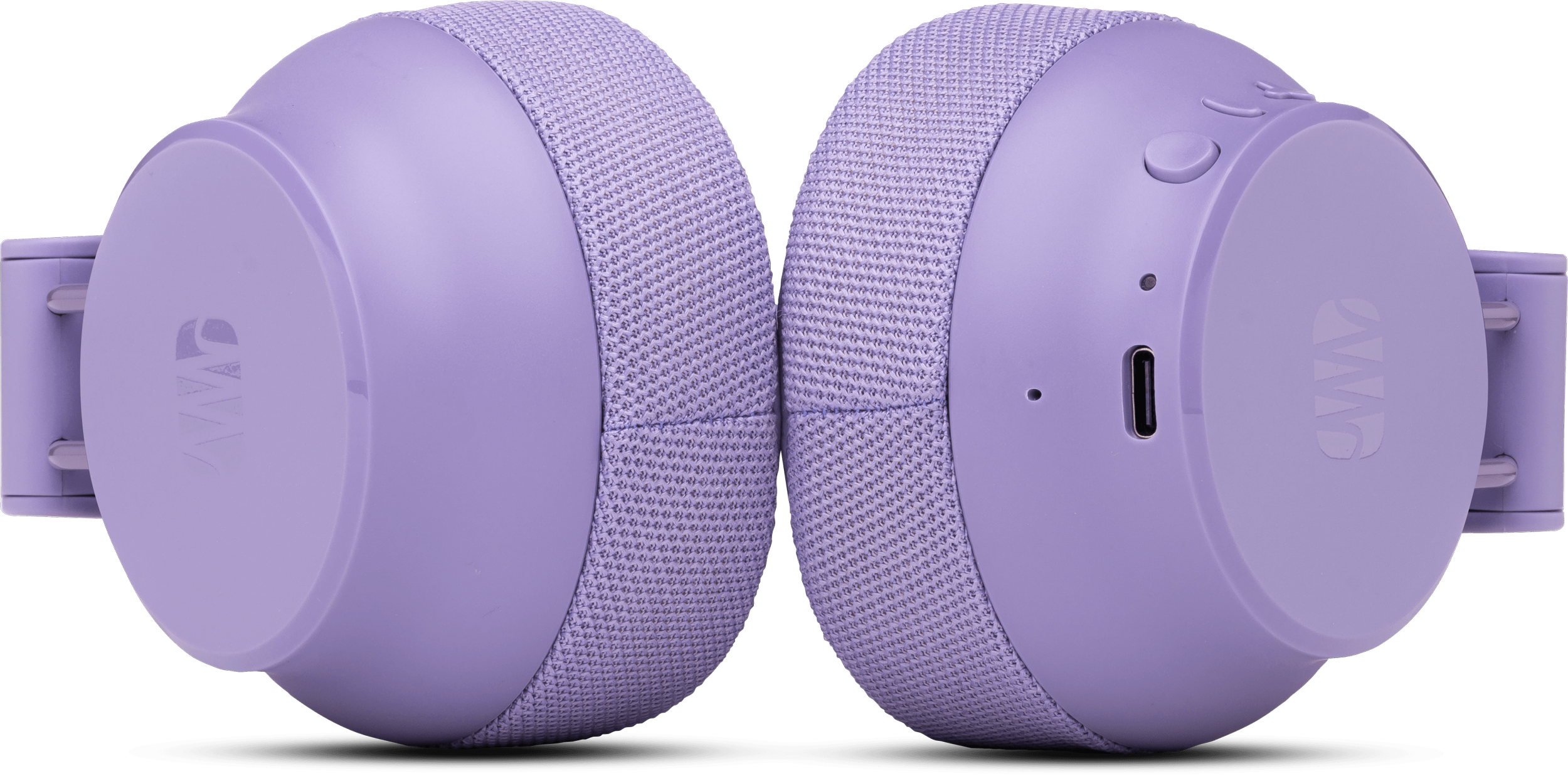
Reviewing Bluetooth usability, control access, charging, and setup experience
Supporting packaging structure, graphics, specifications, and feature communication
Developing Amazon and e-commerce product content
Coordinating launch readiness across product, marketing, sales, operations, and supplier teams
Product Development Approach
-
The headphone line needed to serve customers who wanted the credibility of an audio brand in a more convenient Bluetooth format.
Core use cases included:
Everyday music listening
Work and home-office audio
Streaming media and content viewing
Travel and portable listening
Casual creation or monitoring-adjacent use
Wireless listening from phones, tablets, and computers
These use cases shaped decisions around comfort, controls, battery-powered use, portability, Bluetooth setup, packaging, and online messaging.
-
The headphones needed to feel connected to PreSonus without being positioned as professional studio monitors.
Development focused on:
Clear PreSonus brand presence
Consumer-friendly Bluetooth functionality
Audio credibility without excessive technical complexity
A coordinated product-line structure between HD6BT and HD4BT
Visual consistency across the headphone family
Product differentiation by size, use case, or feature emphasis
Packaging and content that connected the products to the broader PreSonus audio story
The goal was to extend the brand into wearable audio while maintaining a believable connection to its professional-audio foundation.
-
Competitive review helped define where the products needed to meet customer expectations and where they could differentiate.
Benchmarking considered:
Headphone form factor
Ear-cup size and comfort
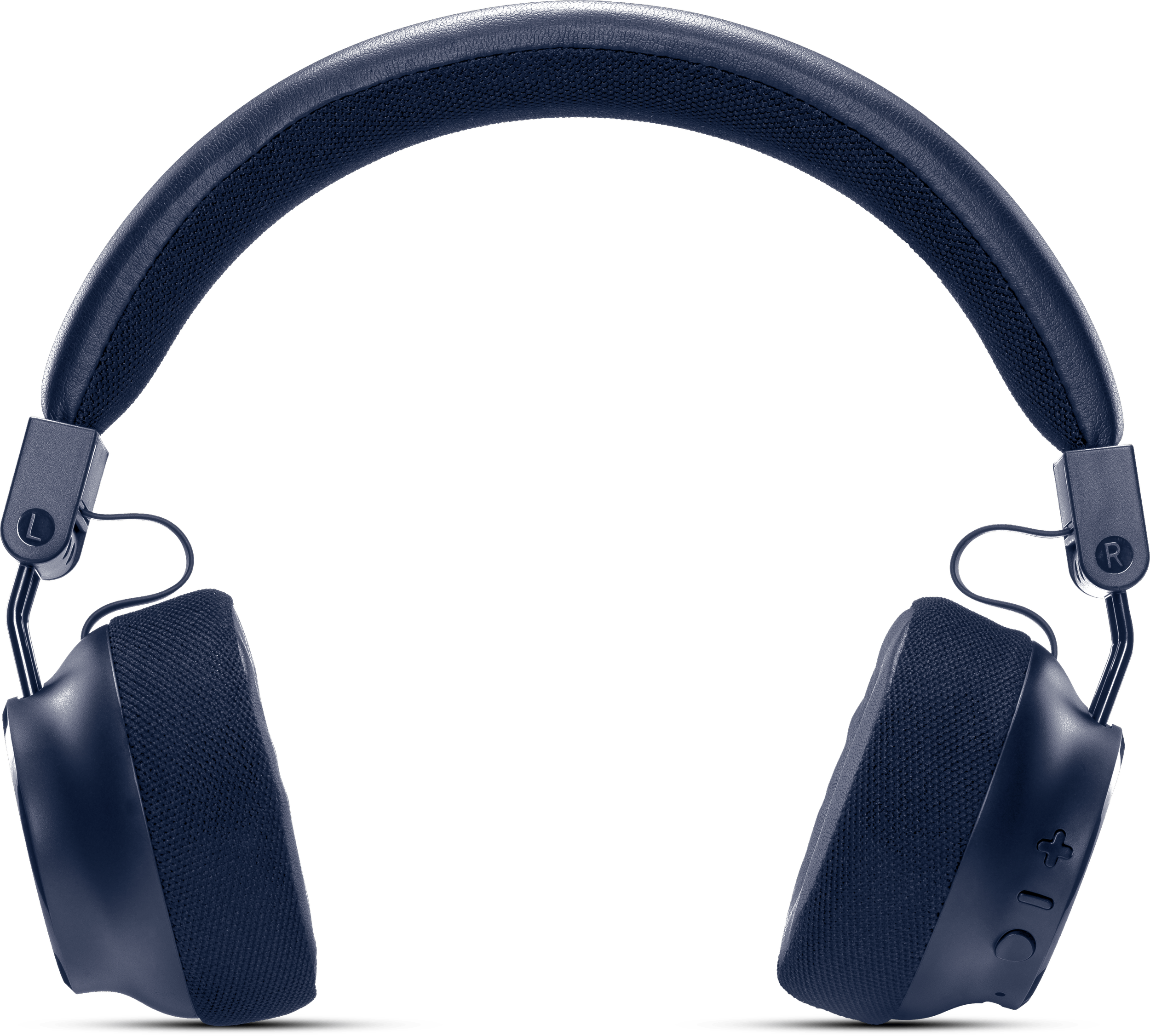
Headband structure and adjustability
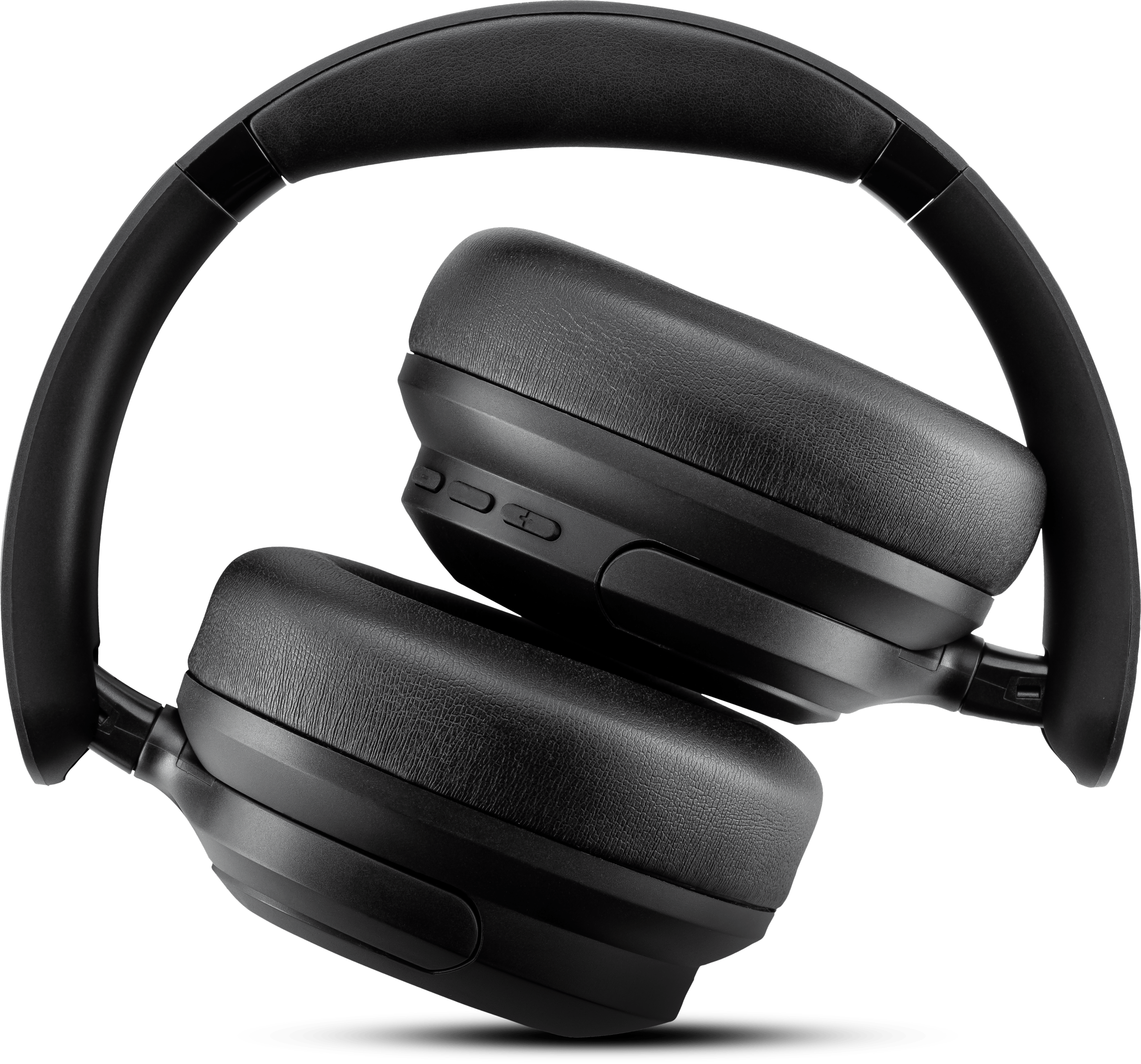
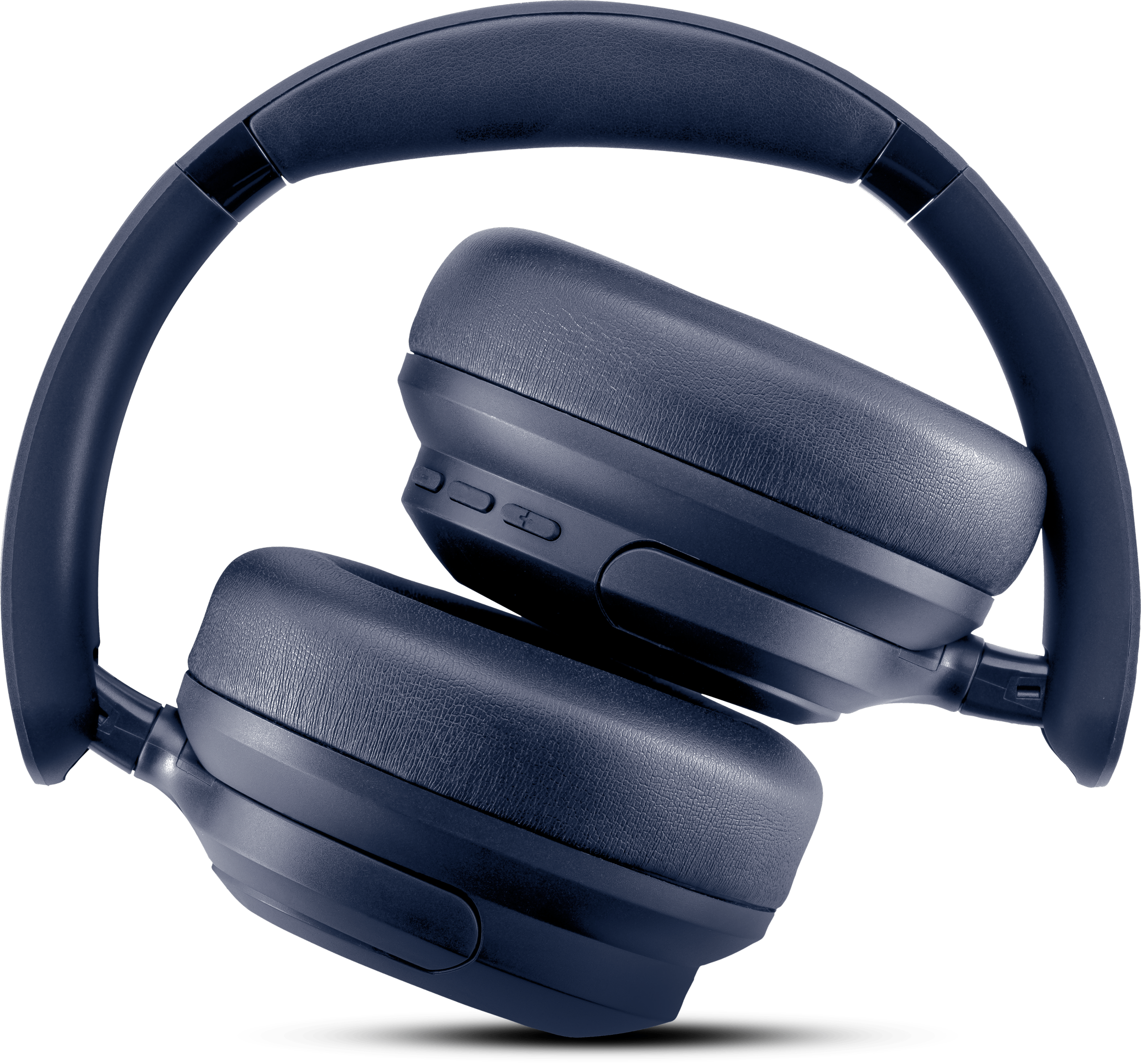
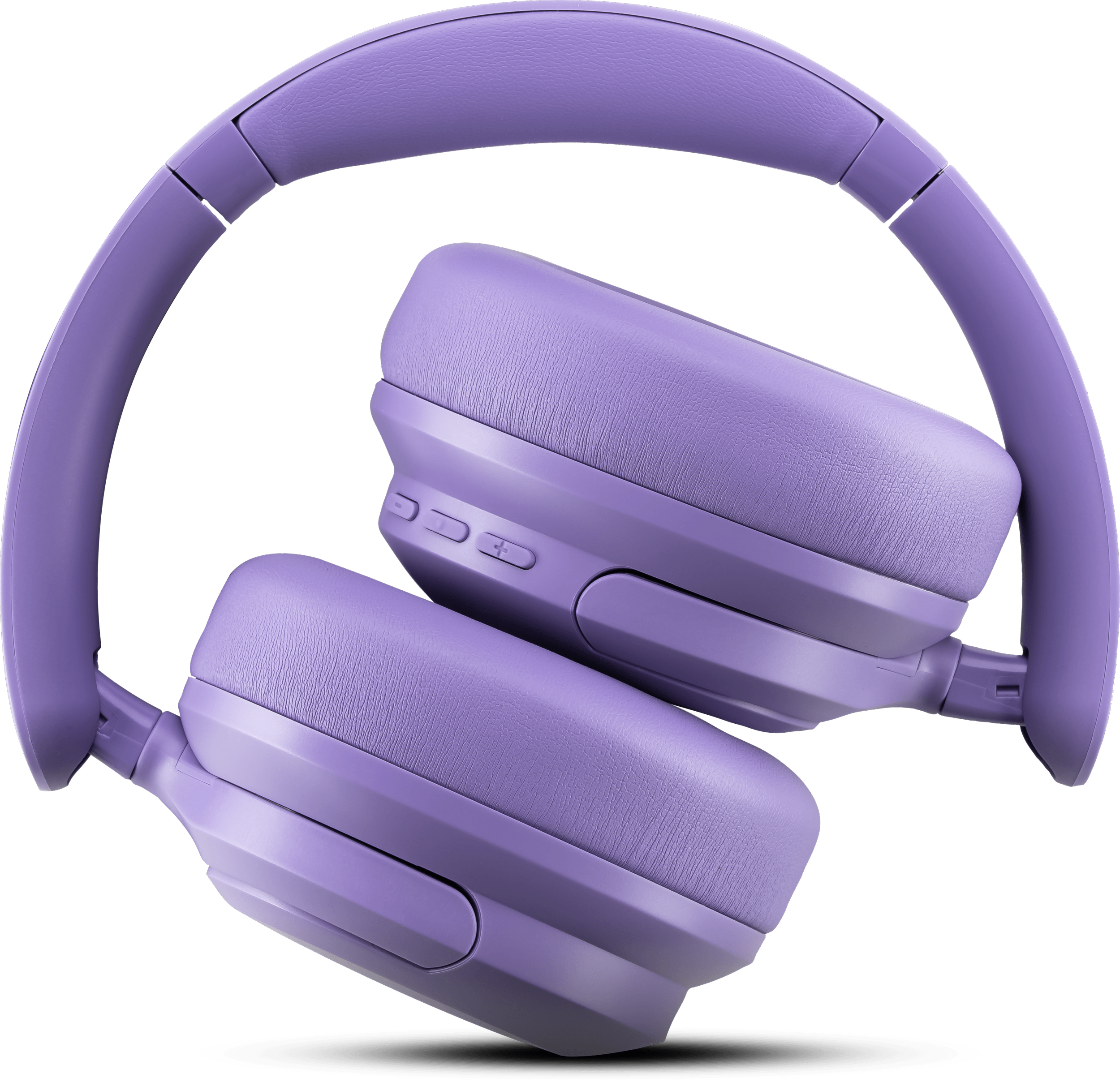
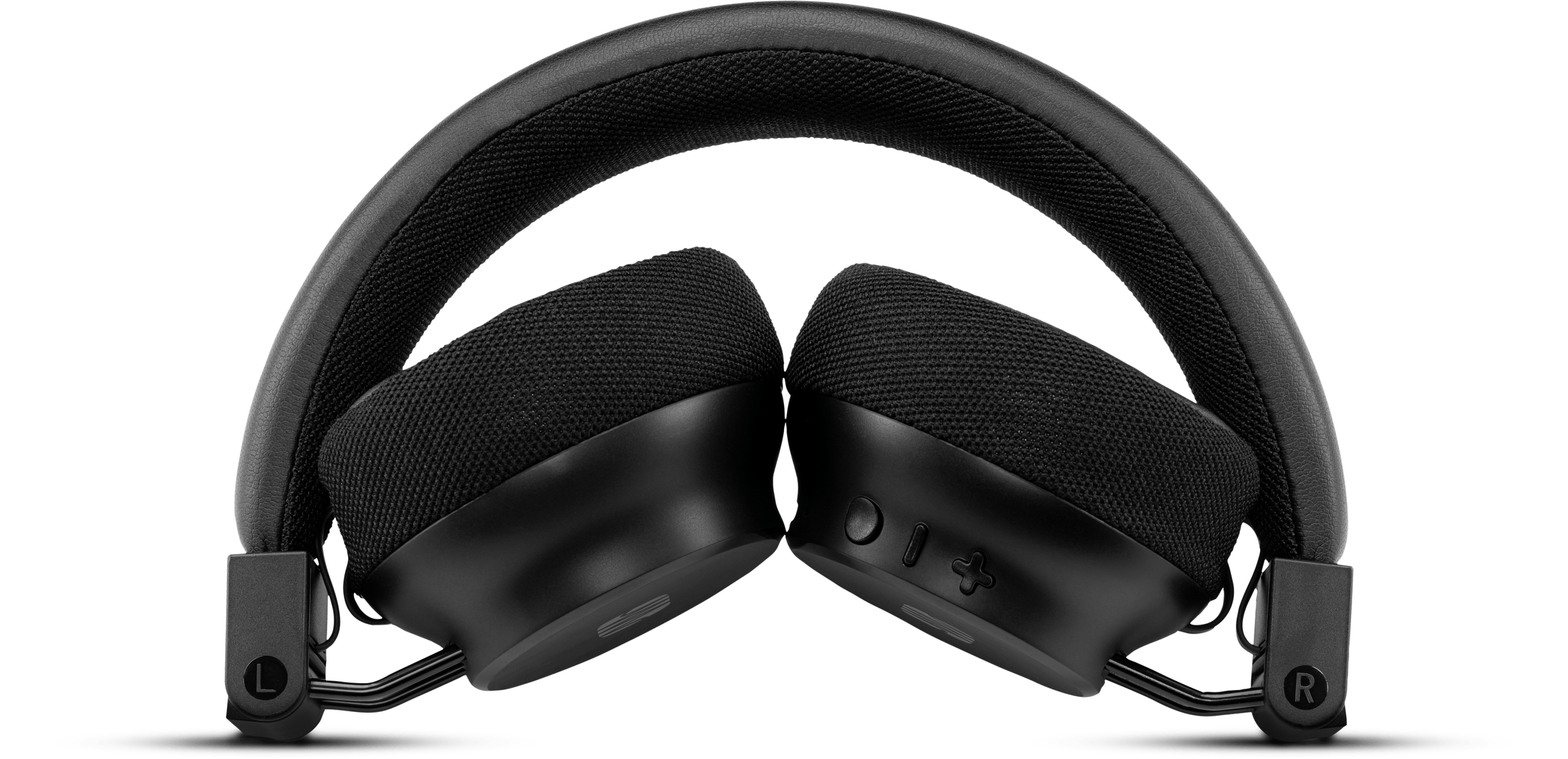
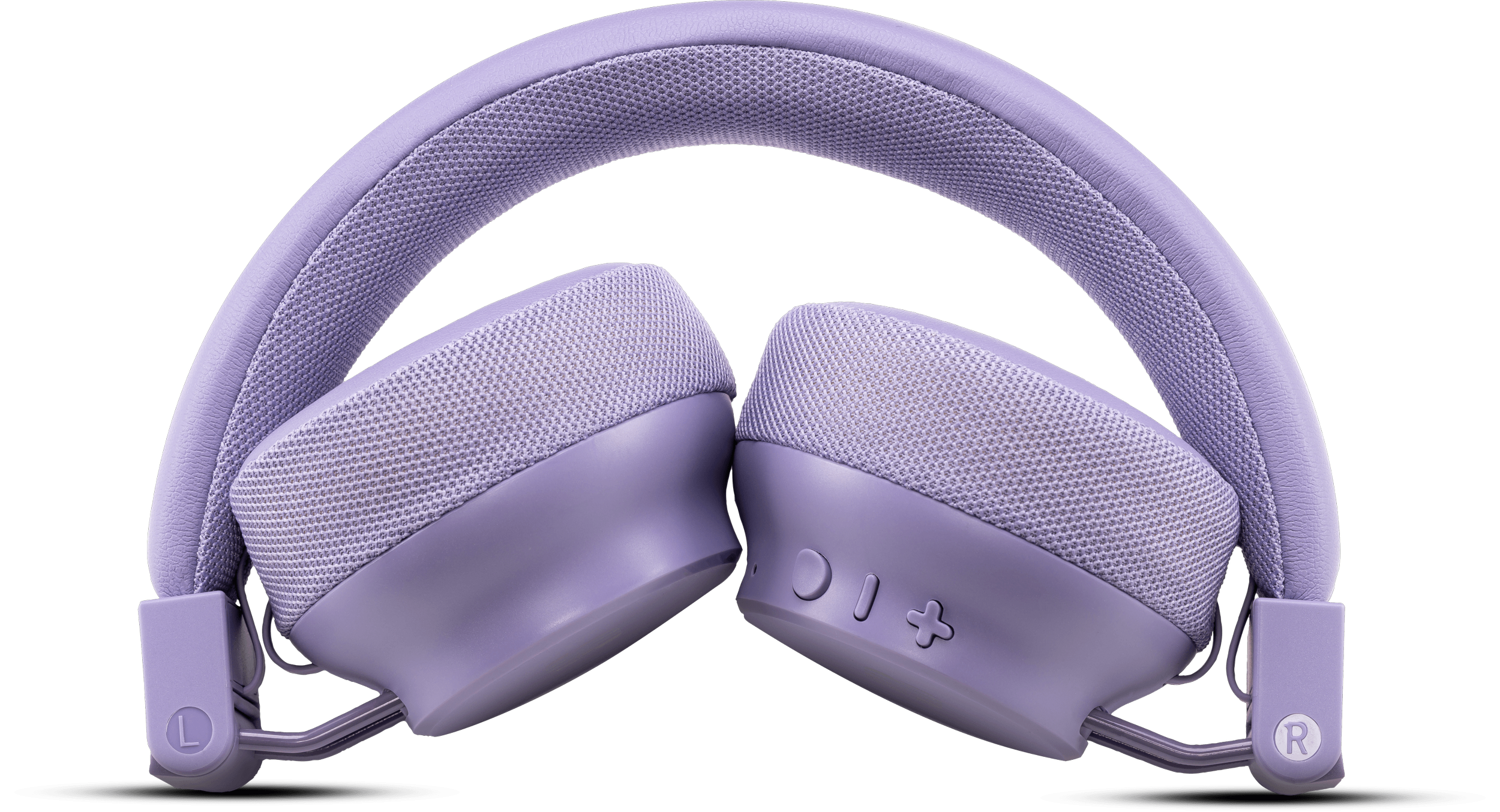
Portability and fold behavior
Controls and button placement
Bluetooth pairing experience
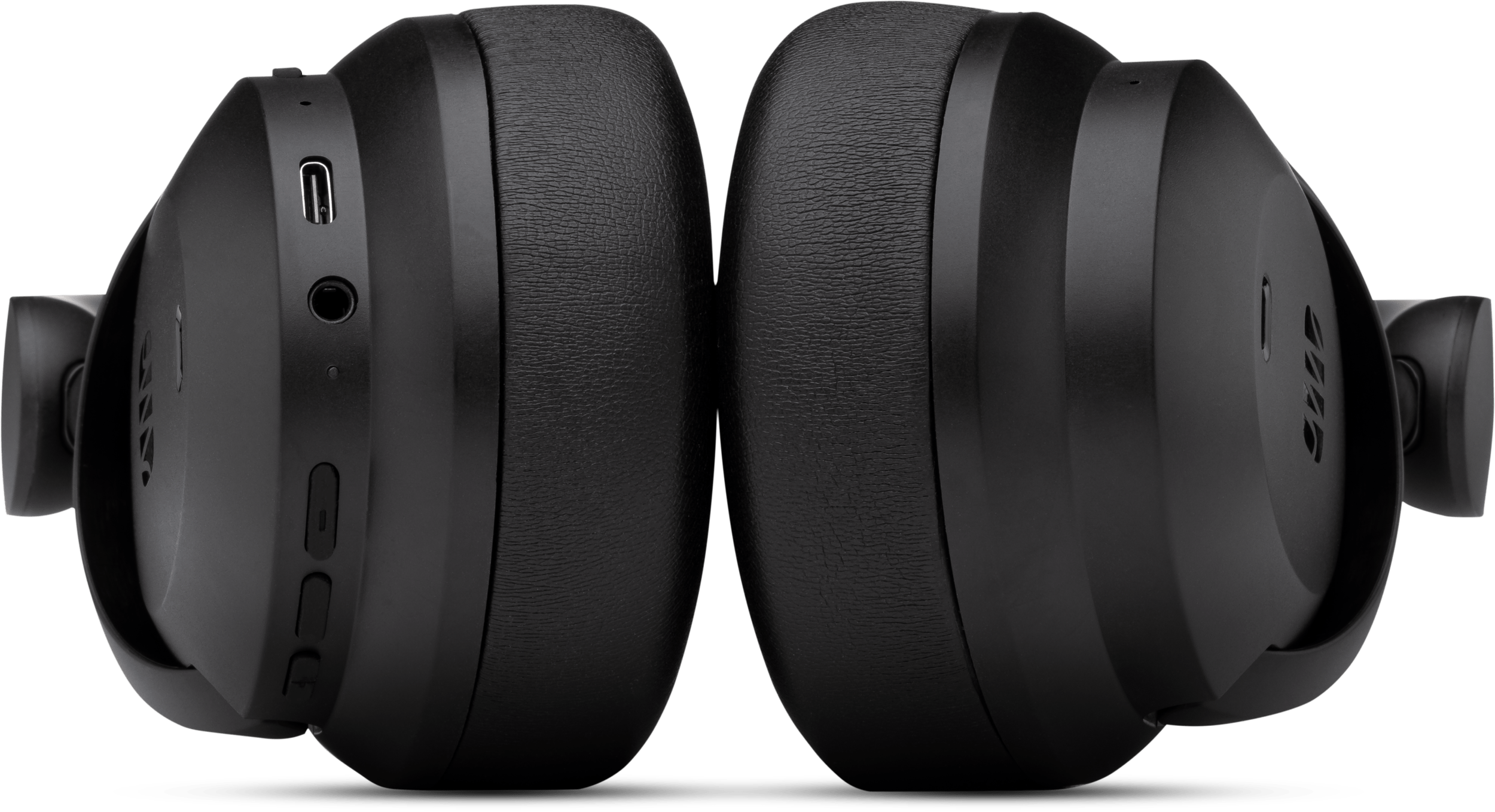
Charging and cable access
Materials and finish quality
Packaging and accessories
Retail price positioning
Customer review patterns and common complaints
This work helped clarify the product requirements and consumer-facing value story.
-
The product requirements needed to balance sound expectations, comfort, construction, cost, supplier capability, and brand positioning.
Development priorities included:
Bluetooth wireless connectivity
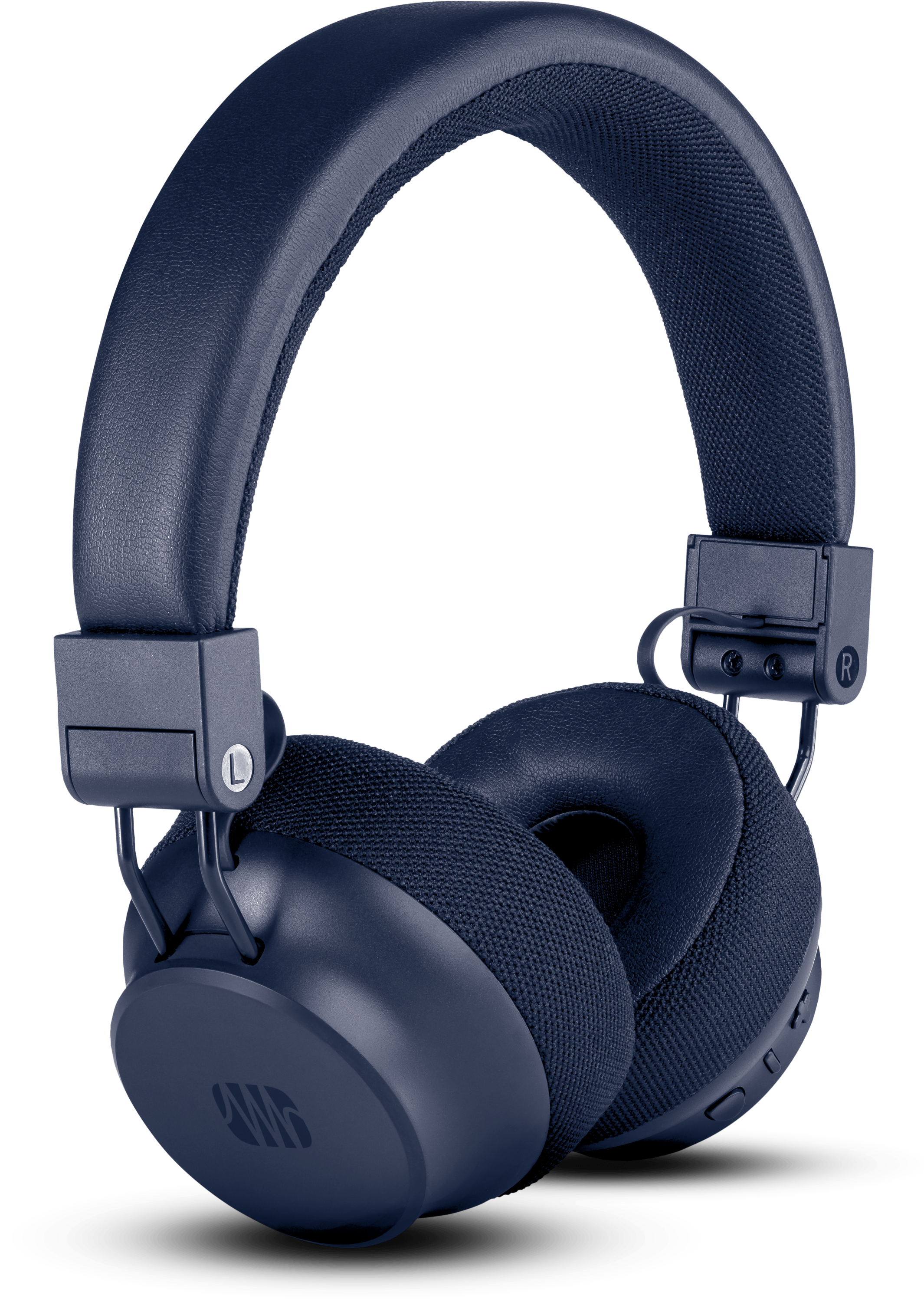
Comfortable headband and ear-cup fit
Accessible controls
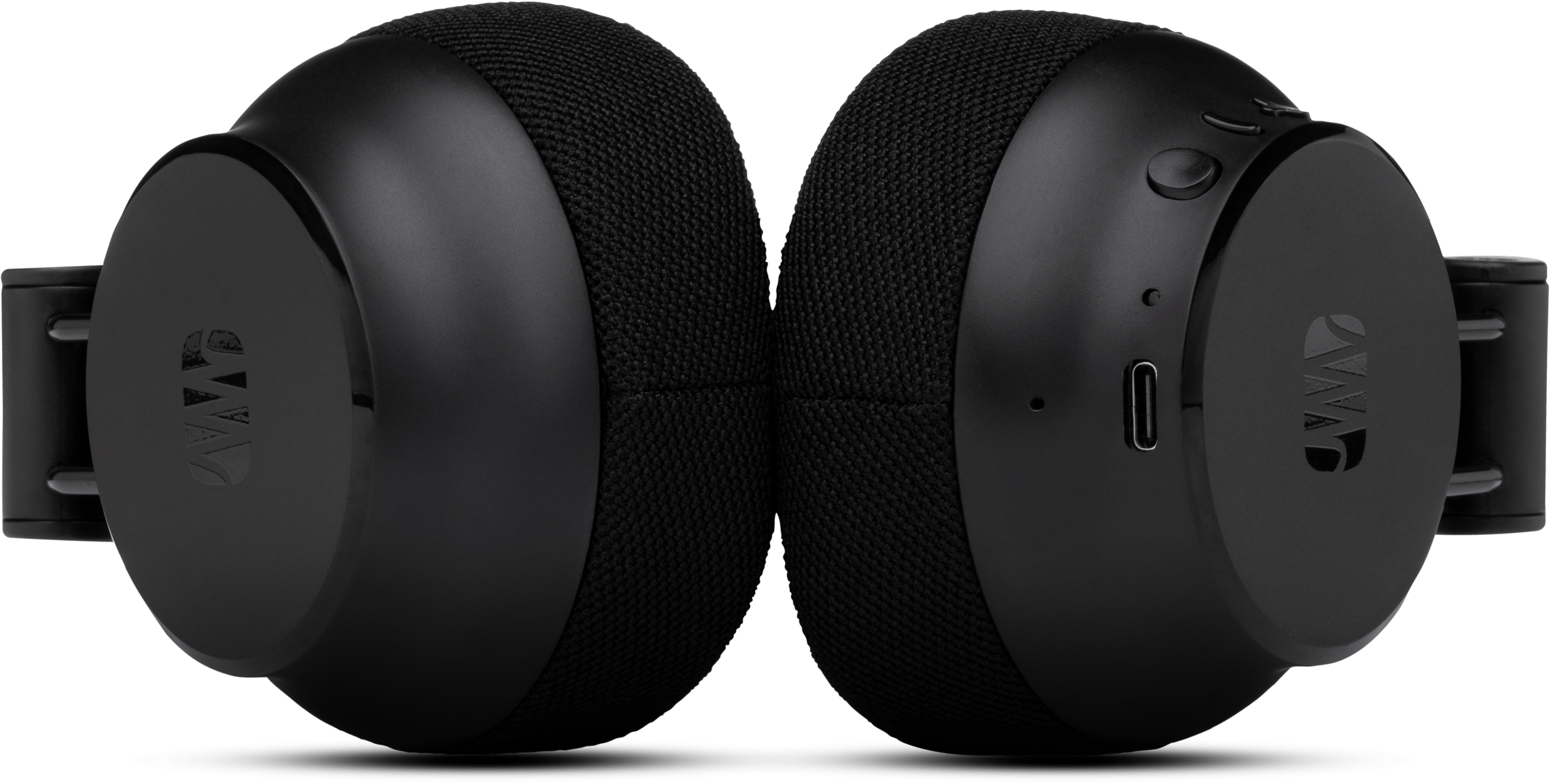
Practical charging access
Durable construction
Portable for everyday use
Brand-appropriate finish and detailing
Clear product differentiation between models
Retail-ready packaging
Amazon and e-commerce content readiness
The feature set was evaluated against target price points and the intended role of each model in the product line.
-
Headphones succeed or fail quickly based on fit.
Development review focused on:
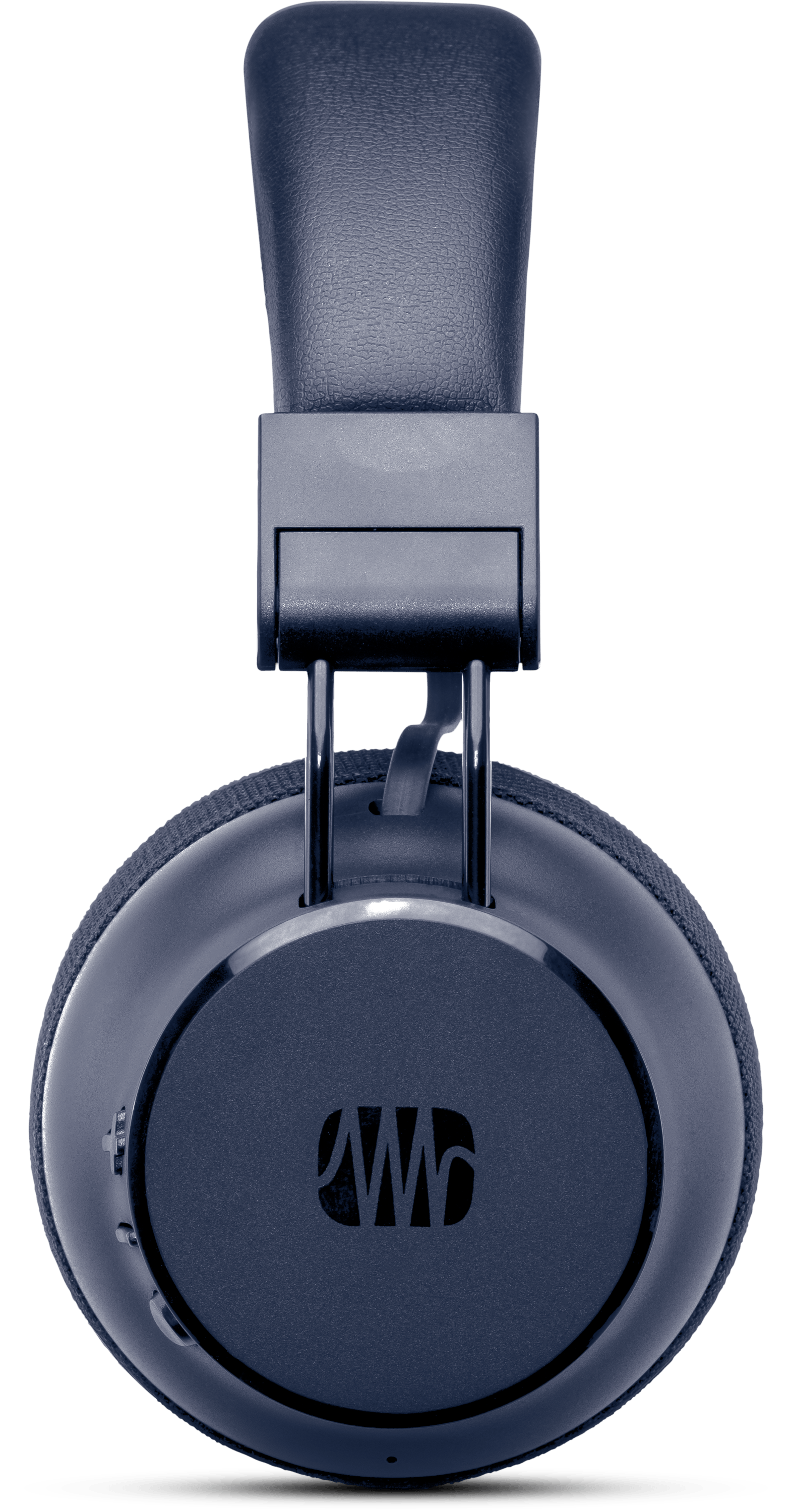
Headband shape and pressure
Ear-cup size and cushion comfort
Adjustability
Weight distribution
Long-wear comfort
Clamp force
Material feel
Fold or storage behavior
Comfort across different users
The goal was to create products that felt comfortable and stable without feeling heavy, loose, or overly tight.
-
Bluetooth headphones require a simple, predictable user experience.
Development considered:
Button placement
Volume and playback control access
Power and pairing behavior
Charging-port location
Indicator visibility
Cable access
Setup clarity
Everyday handling
User confidence during first use
The product needed to be understandable without requiring excessive instruction.
-
The headphones were developed through an OEM manufacturing process that required alignment across design, components, usability, cost, packaging, and launch timing.
Supplier coordination focused on:
Product specifications
Industrial design execution
Materials and finish samples
Ear-cup and headband construction
Control and connector placement
Bluetooth component integration
Branding execution
Packaging requirements
Cost and BOM considerations
Sample schedules and production-readiness tracking
Sample review cycles helped refine fit, finish, comfort, usability, and final product presentation.
-
Development samples were reviewed across physical construction, wearable comfort, controls, and perceived quality.
Review areas included:
Overall proportions
Fit and finish
Headband adjustment
Ear-cup comfort
Button feel and placement
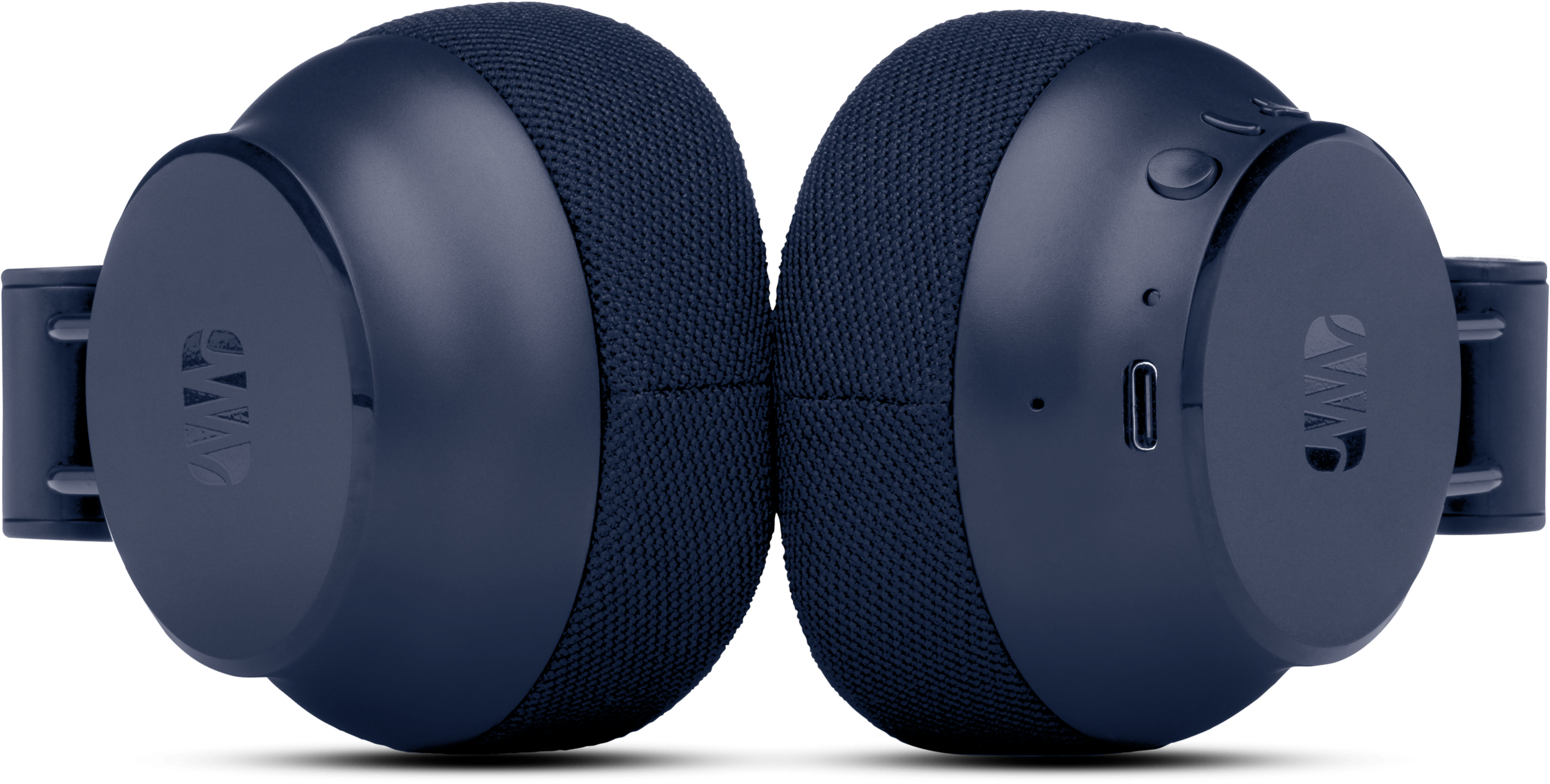
Charging access
Bluetooth usability
Branding execution
Packaging fit
Accessory inclusion
Perceived value
Consistency across the product line
The review process helped align the final products with PreSonus brand expectations and consumer headphone category requirements.
-
The headphones needed to communicate value quickly online and at retail.
Packaging and e-commerce communication focused on:
Bluetooth wireless functionality
Listening use cases
Comfort and fit
Controls and charging
Product differentiation between models
Included accessories
Specifications
Product photography
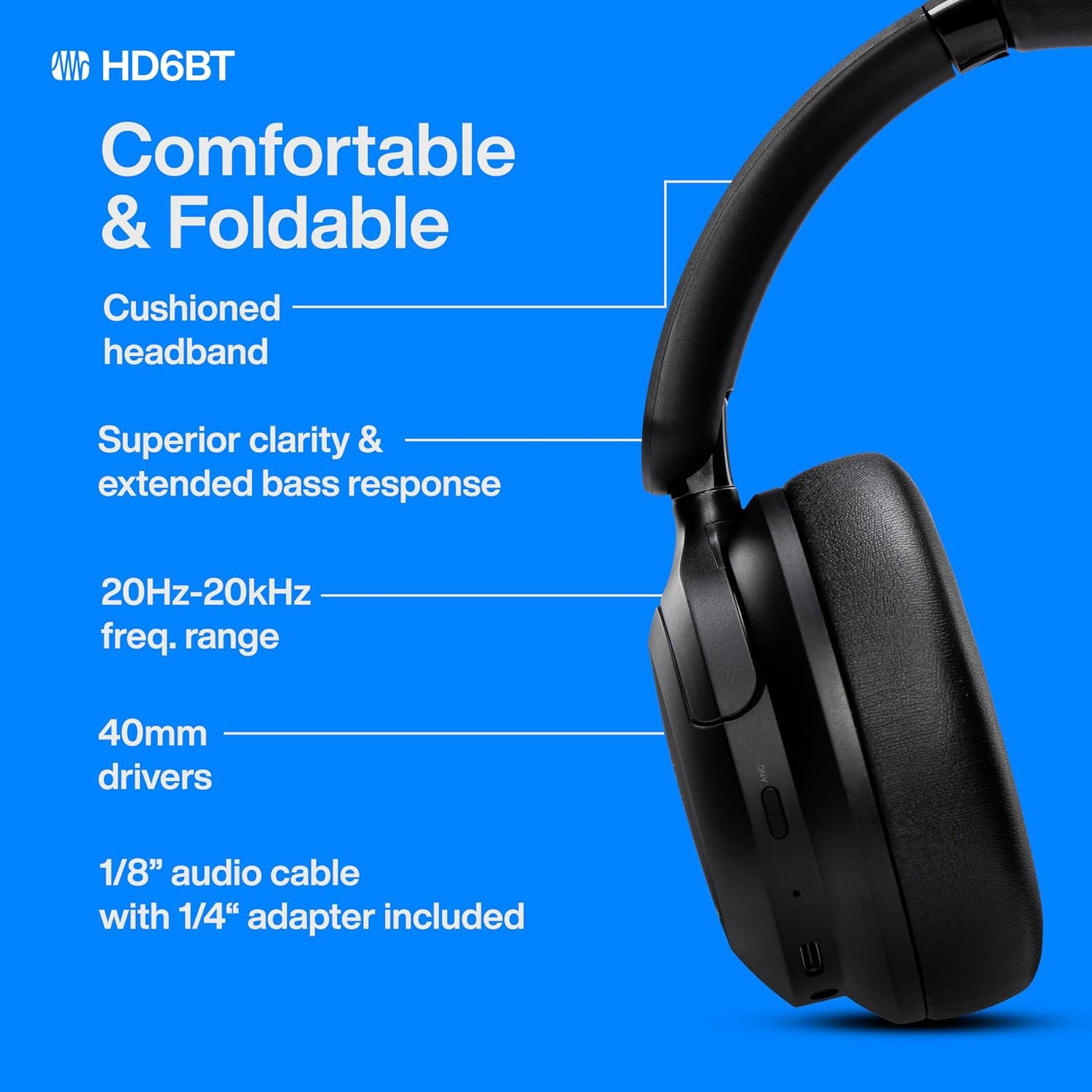
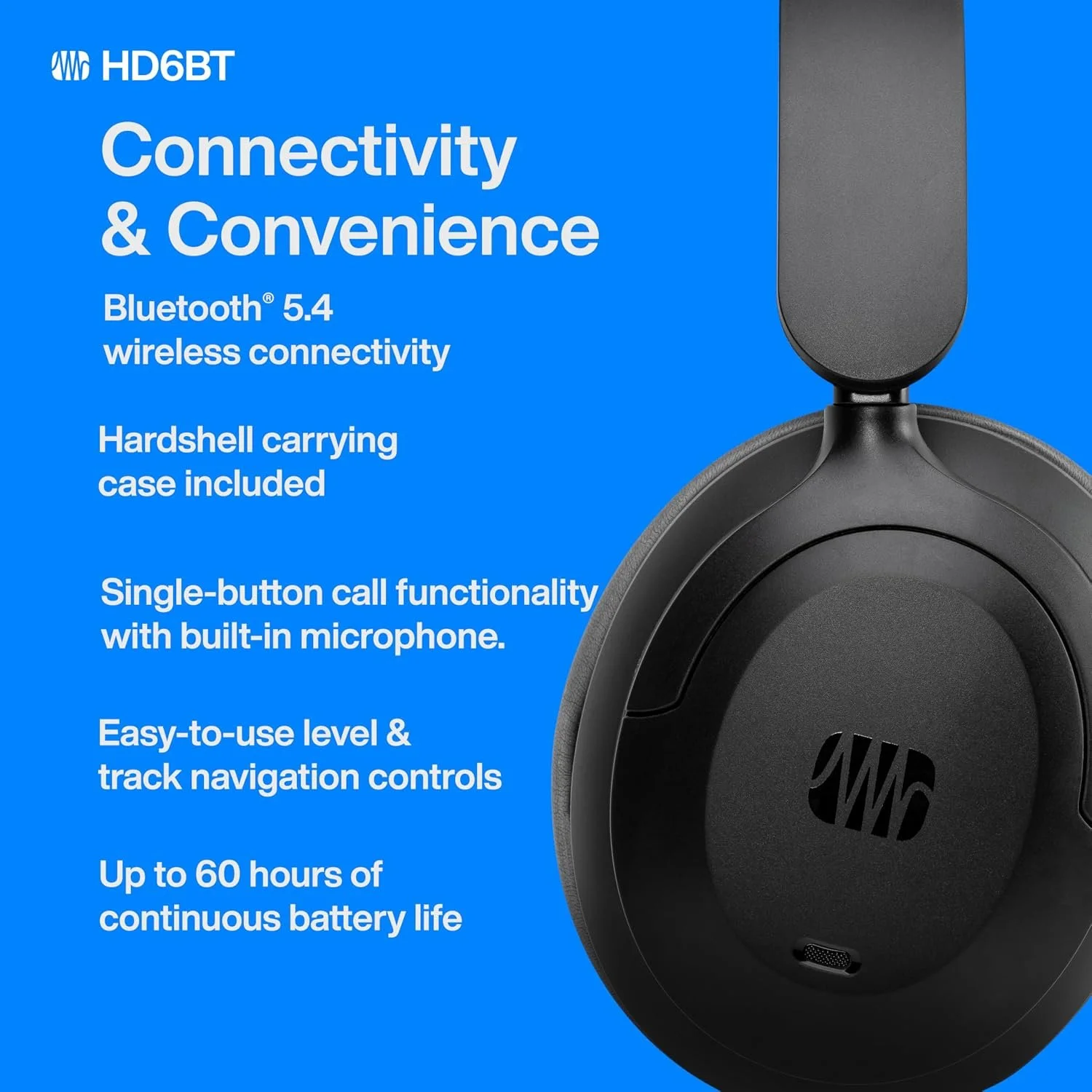
Feature callouts
PreSonus audio credibility
Amazon content needed to make the products easy to understand without relying on in-person demonstration.
Key Product Decisions
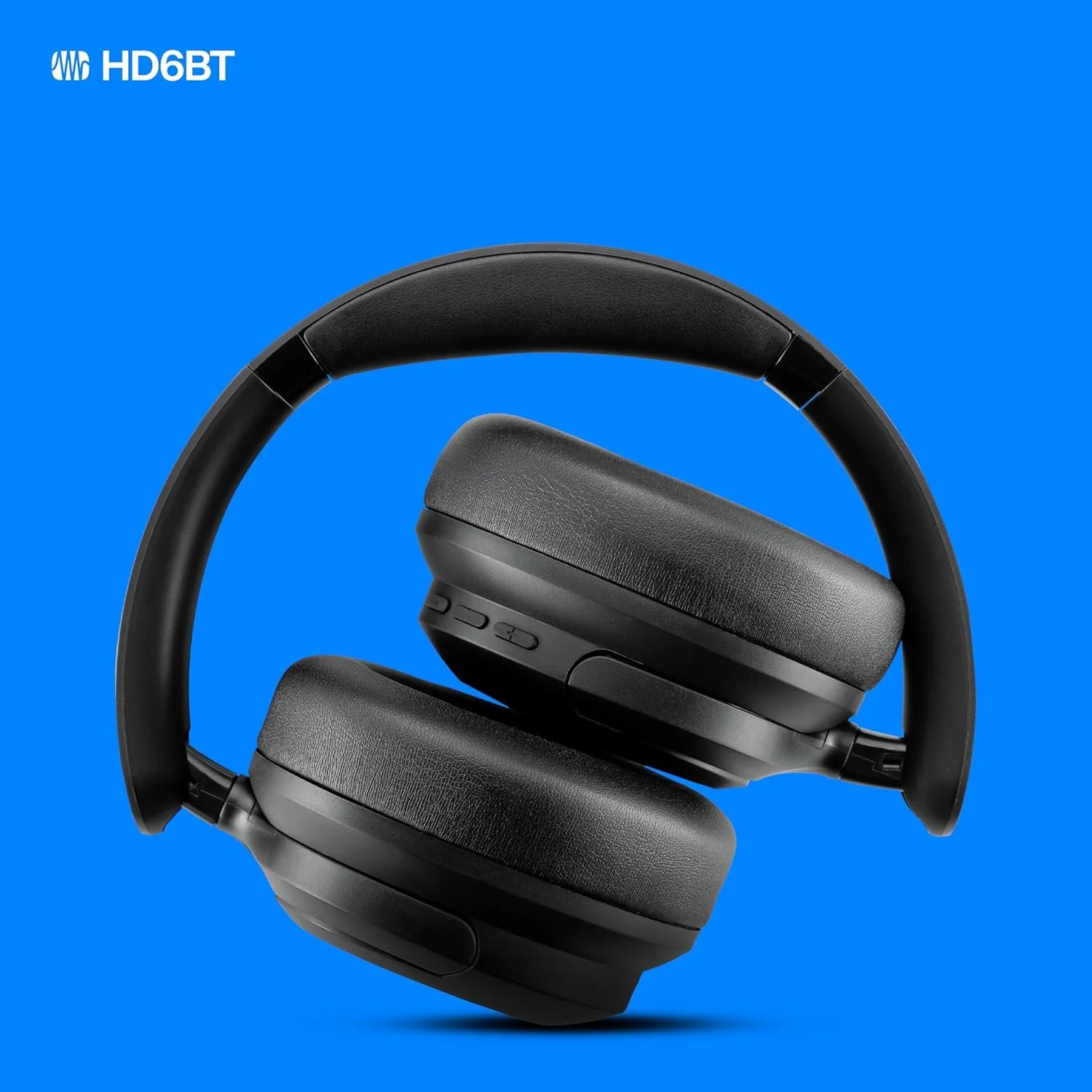
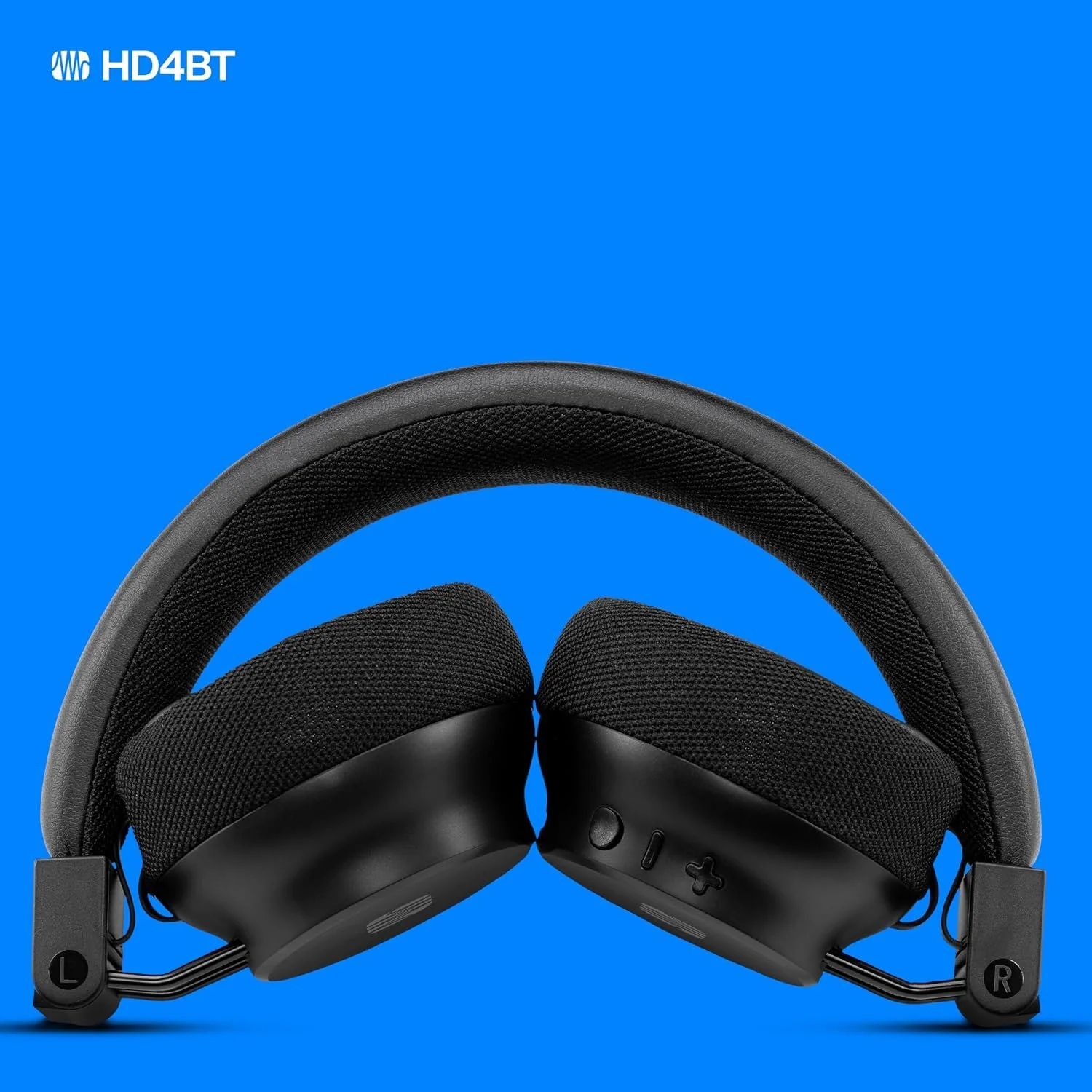
Professional Audio Credibility vs. Consumer Accessibility
The products needed to benefit from PreSonus brand credibility while remaining approachable for everyday listeners.
Comfort vs. Construction
Headband structure, ear-cup design, material choices, and fit needed to support daily use without compromising perceived durability.
Feature Set vs. Retail Price
Bluetooth functionality, controls, charging, materials, and packaging needed to create customer value within the intended price position.
Product-Line Consistency vs. Model Differentiation
HD6BT and HD4BT needed to feel related while giving each model a clear role within the headphone line.
Technical Detail vs. E-Commerce Clarity
The products had technical features and specifications, but the online story needed to remain simple, benefit-led, and easy to compare.
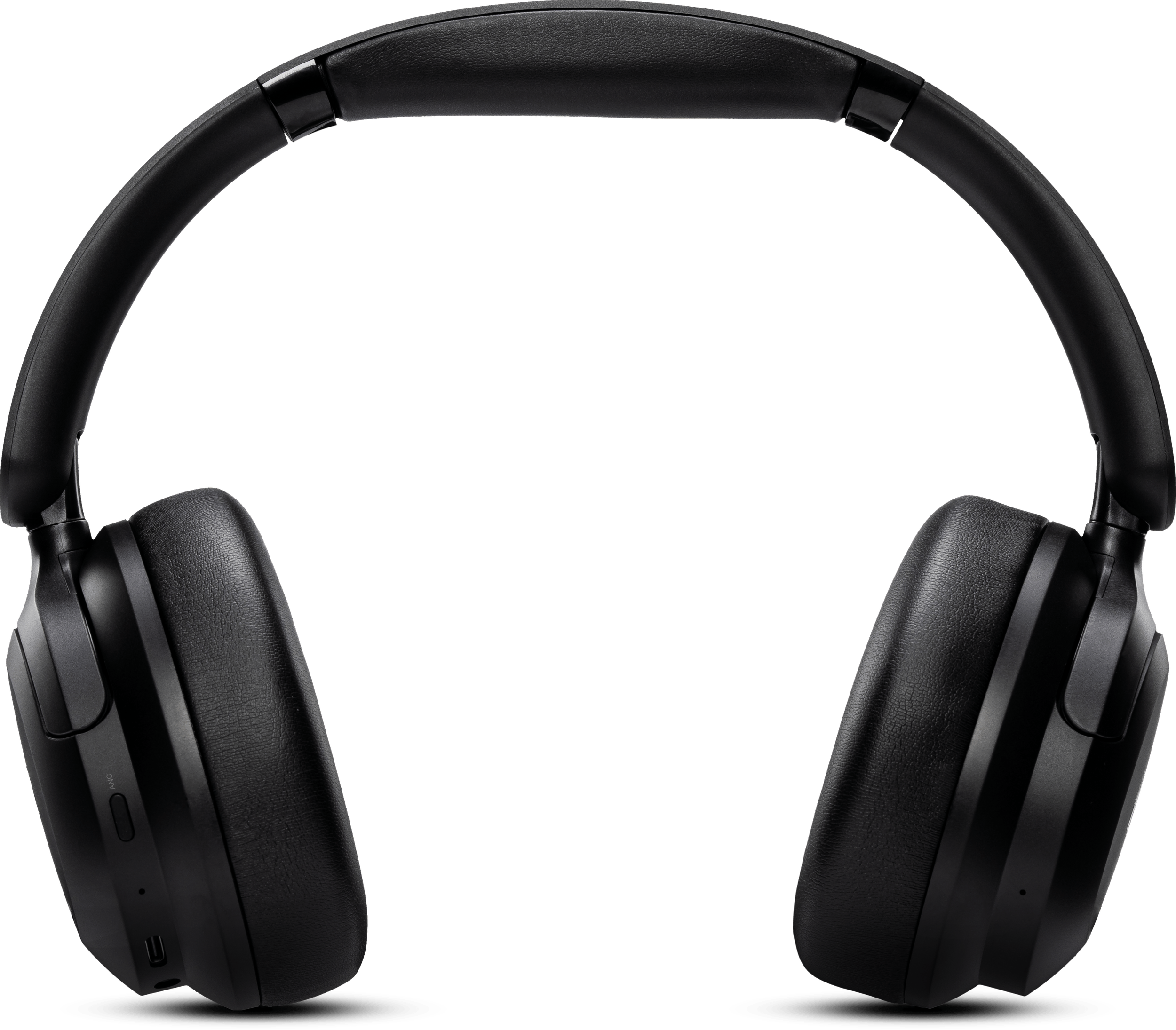
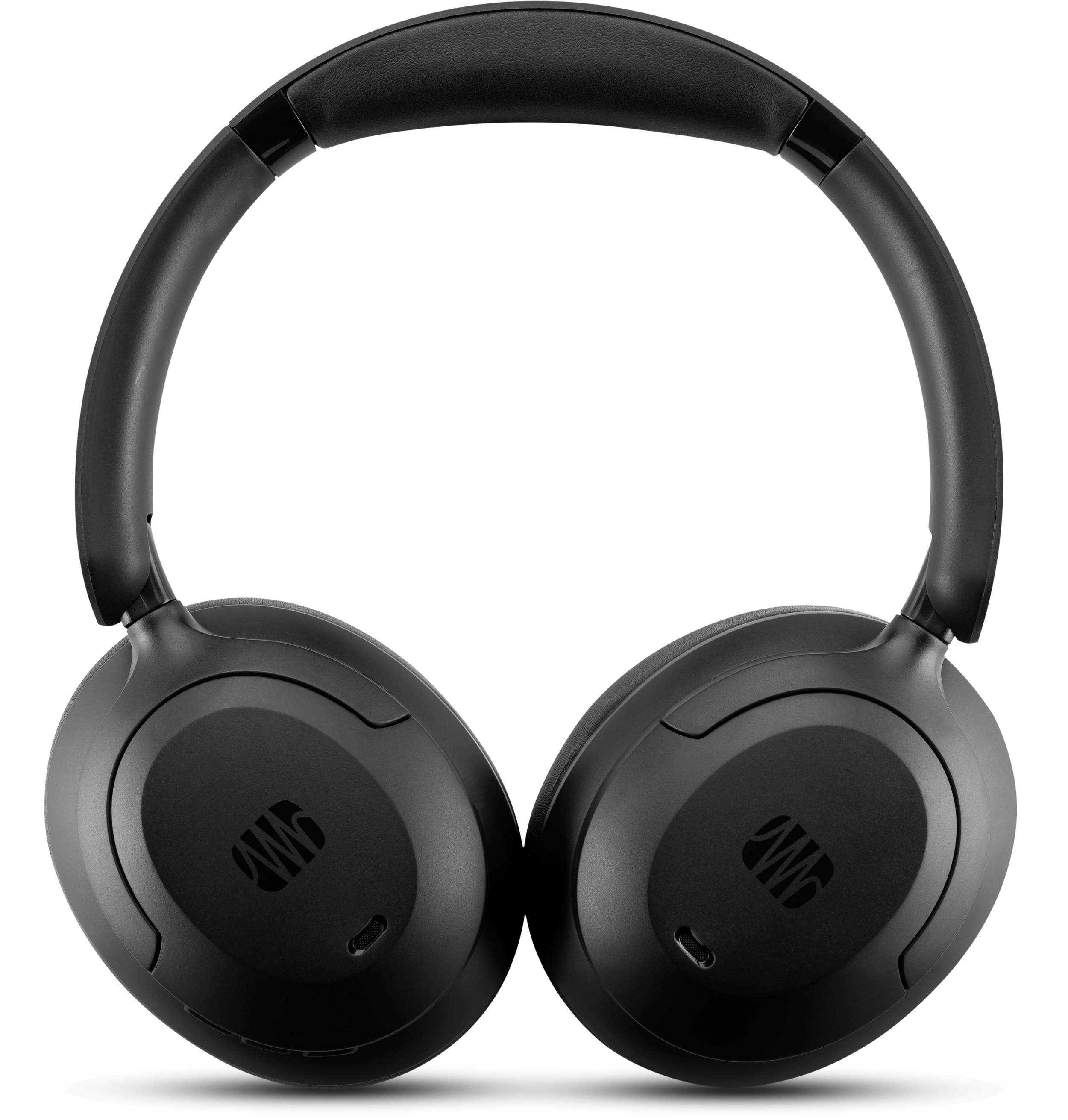
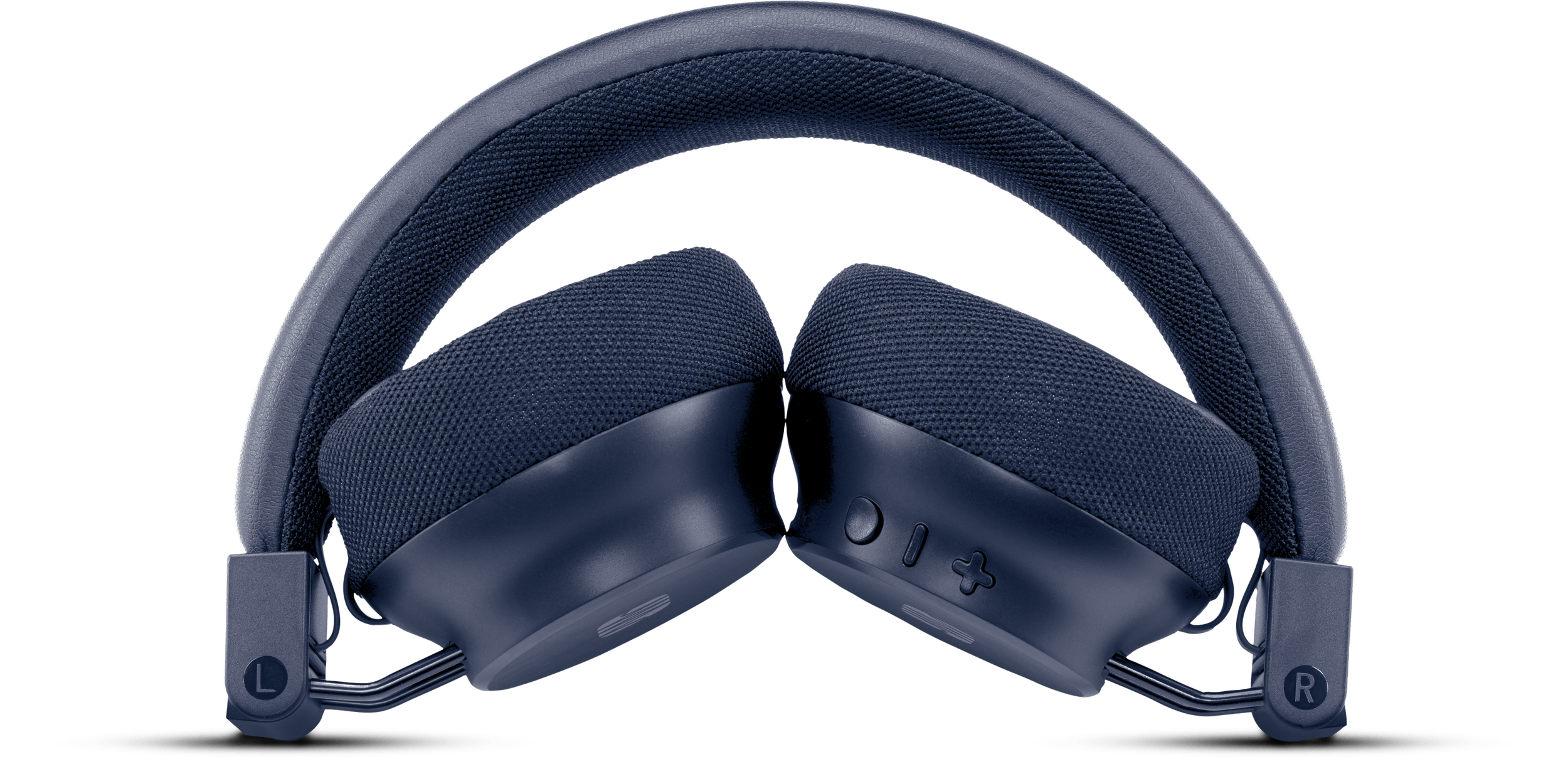
Product Experience
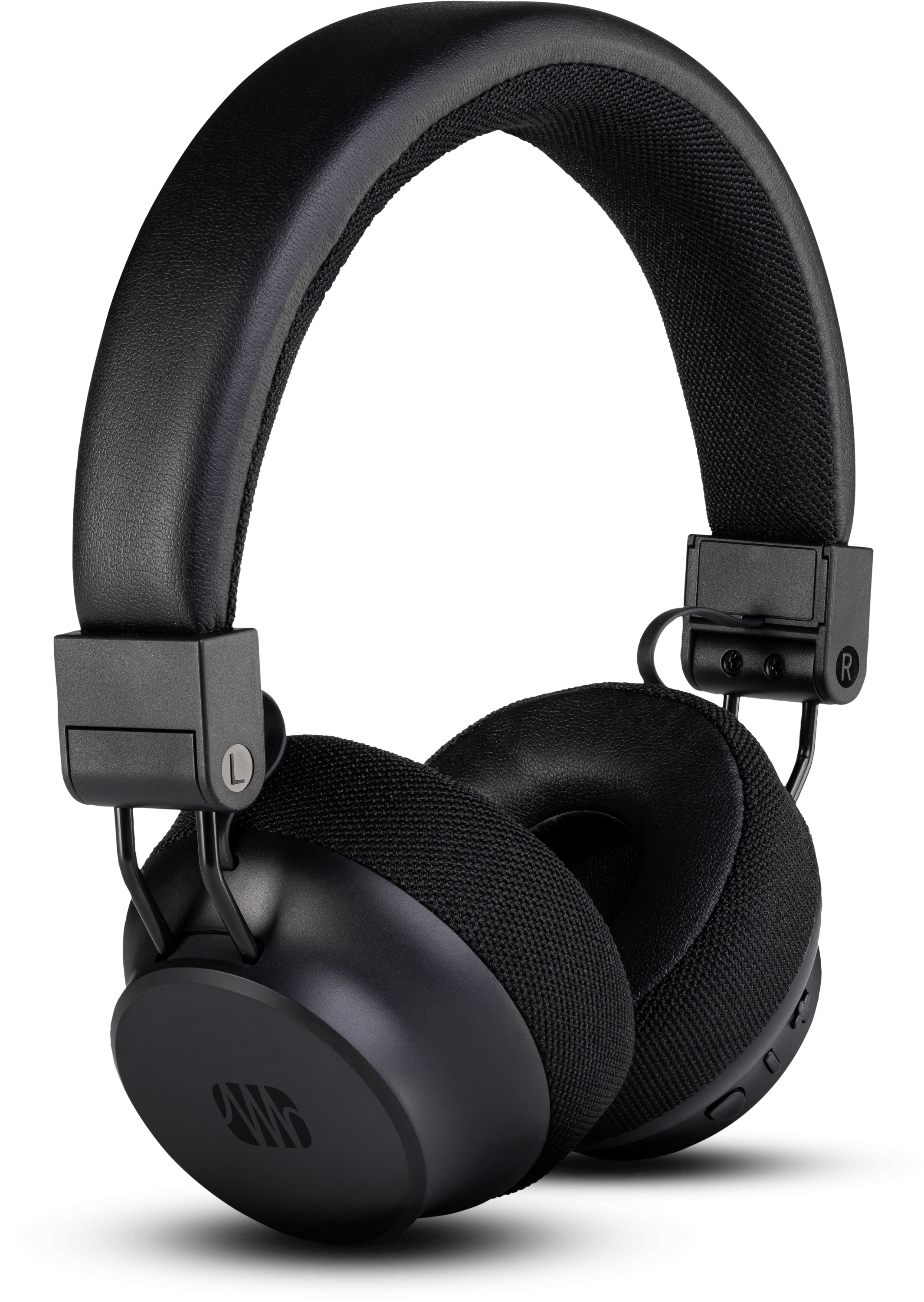
Bluetooth Listening
The headphone line supported wireless listening from phones, tablets, computers, and other compatible devices.
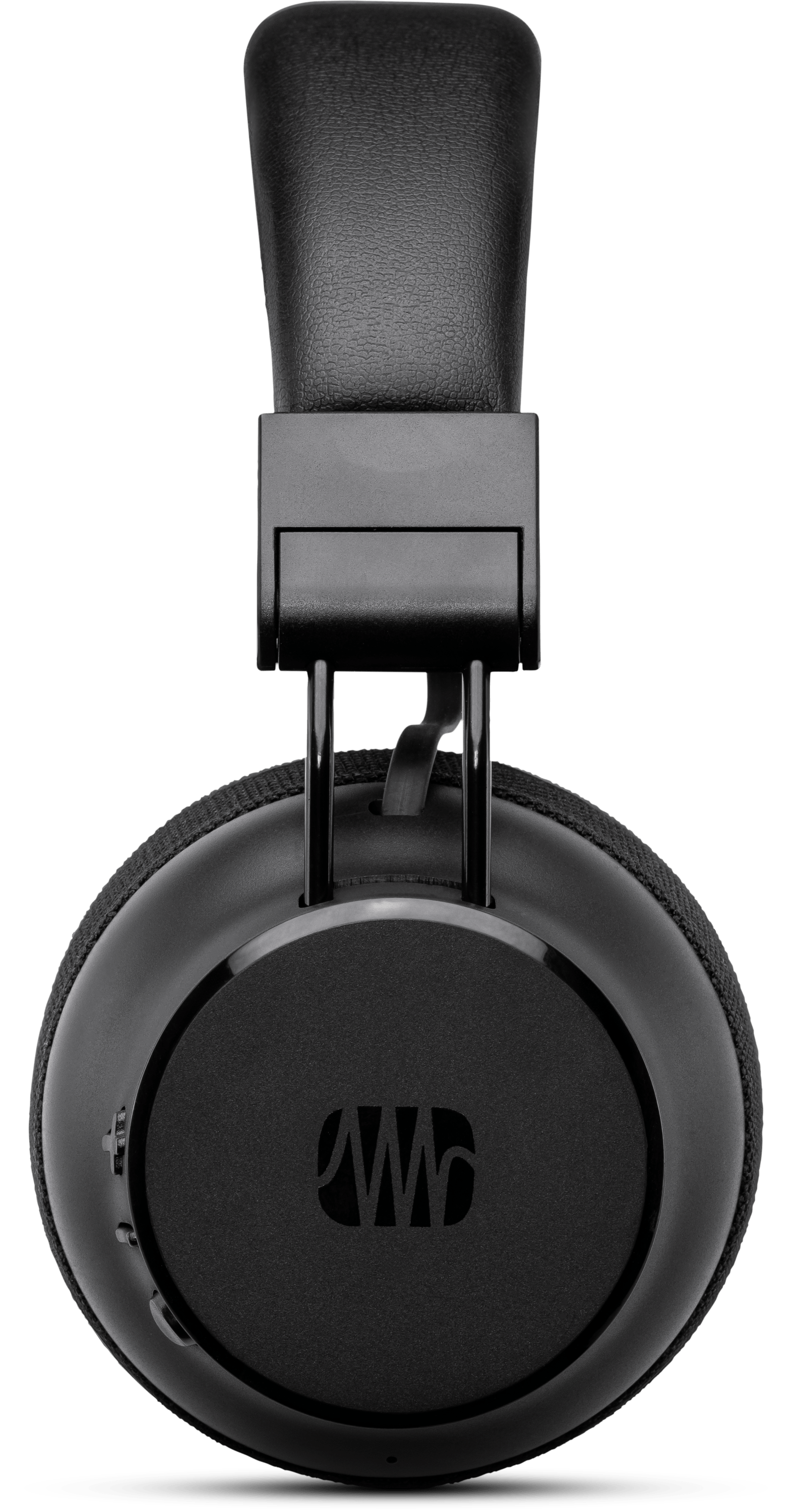
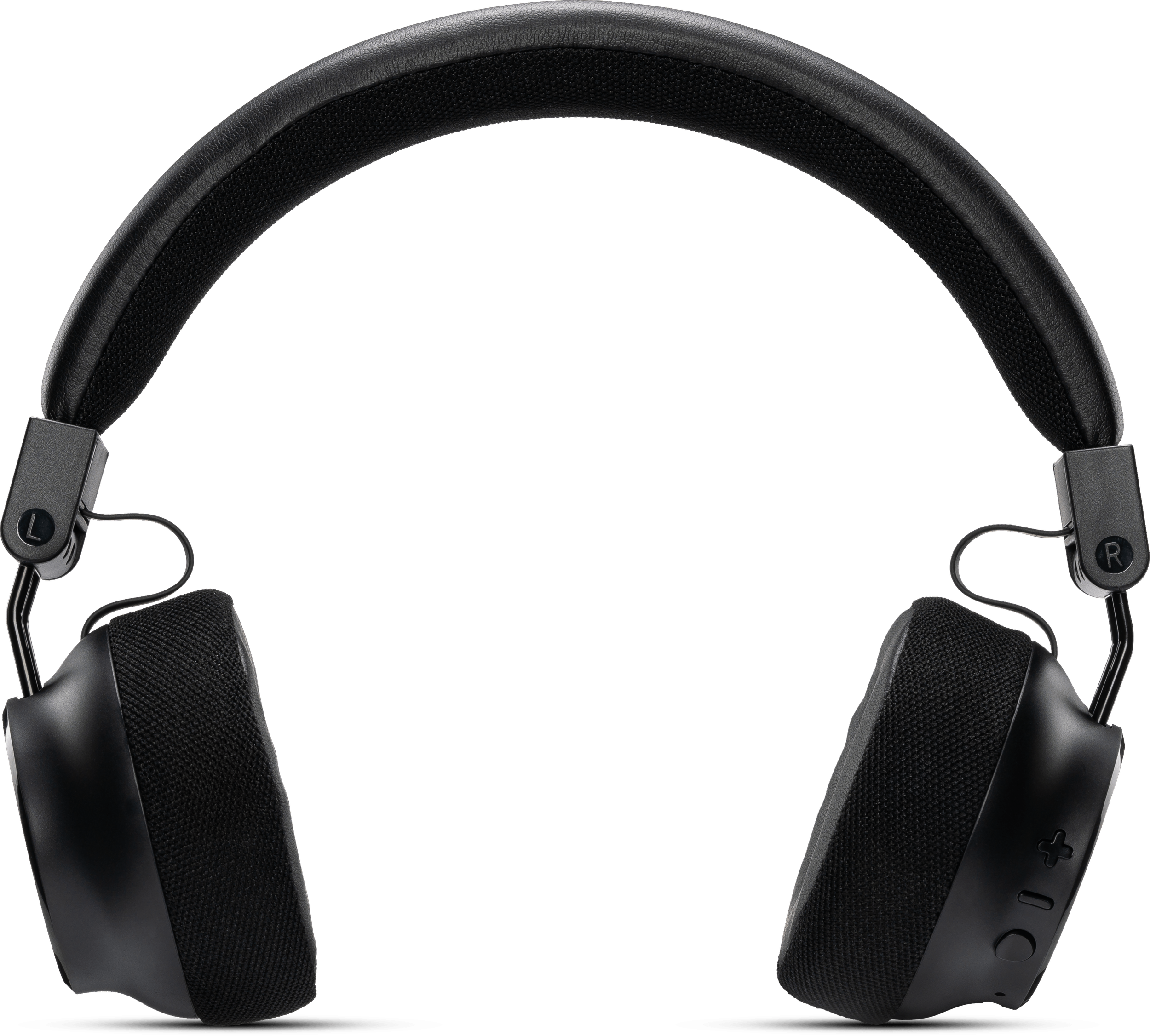
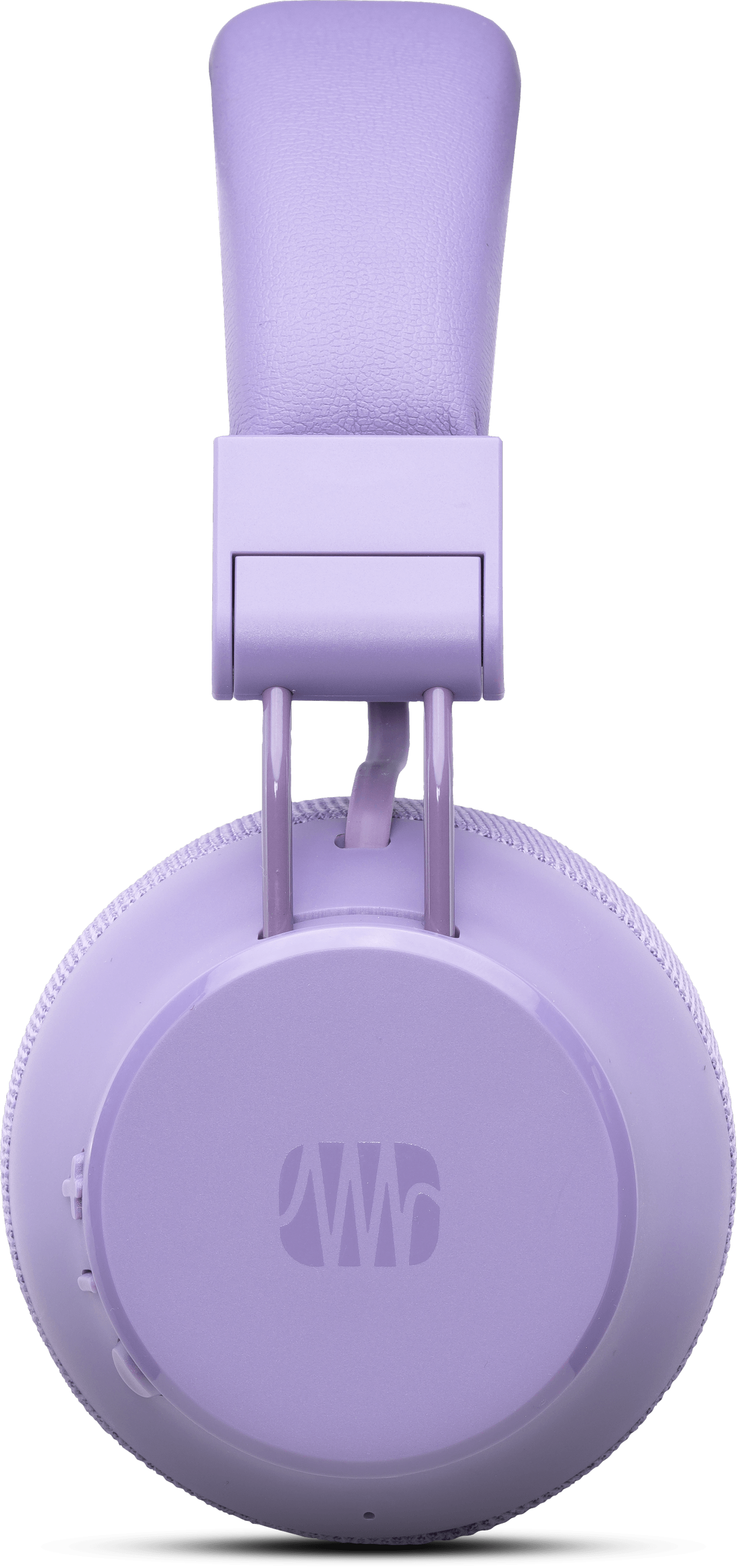
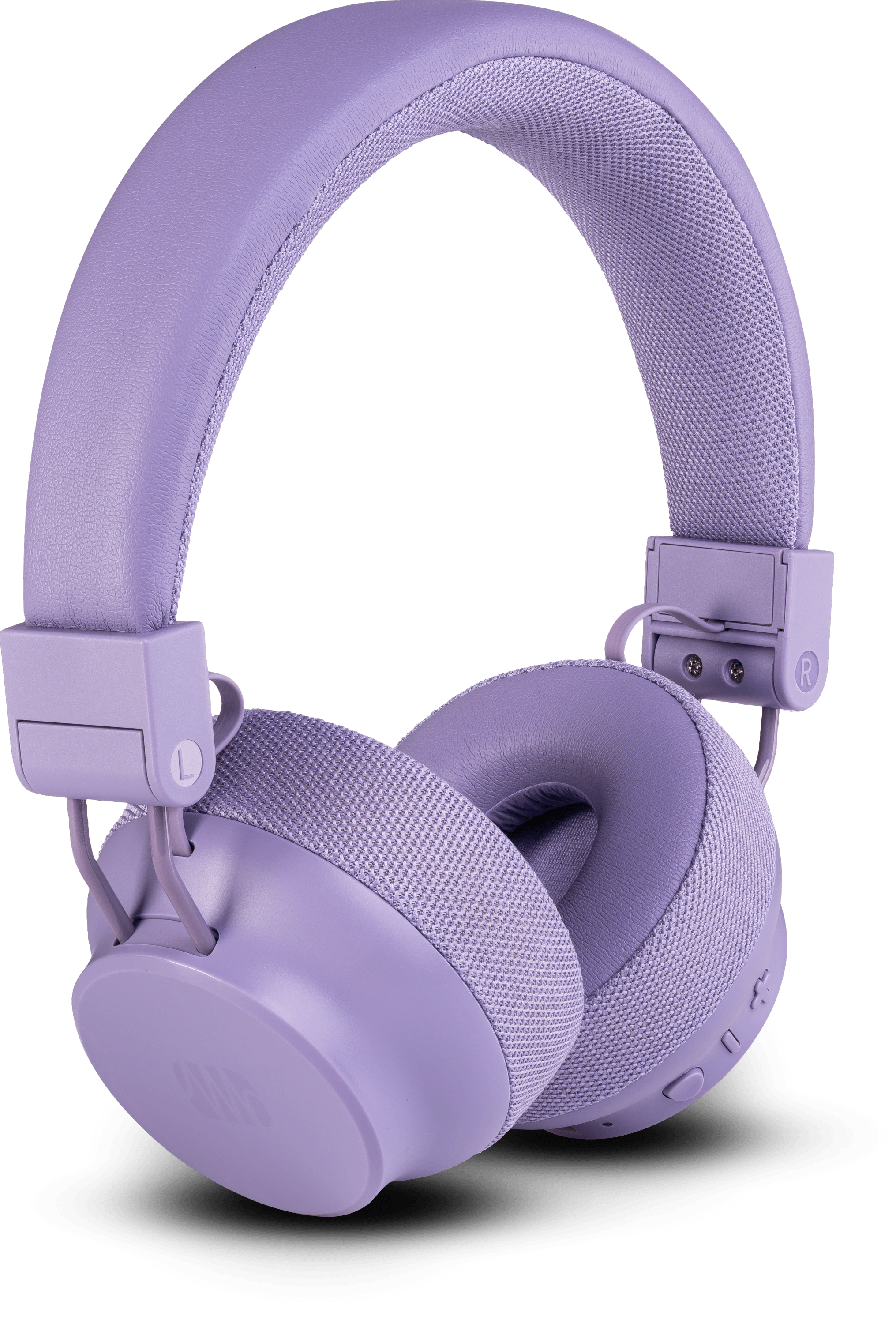
Wearable Comfort
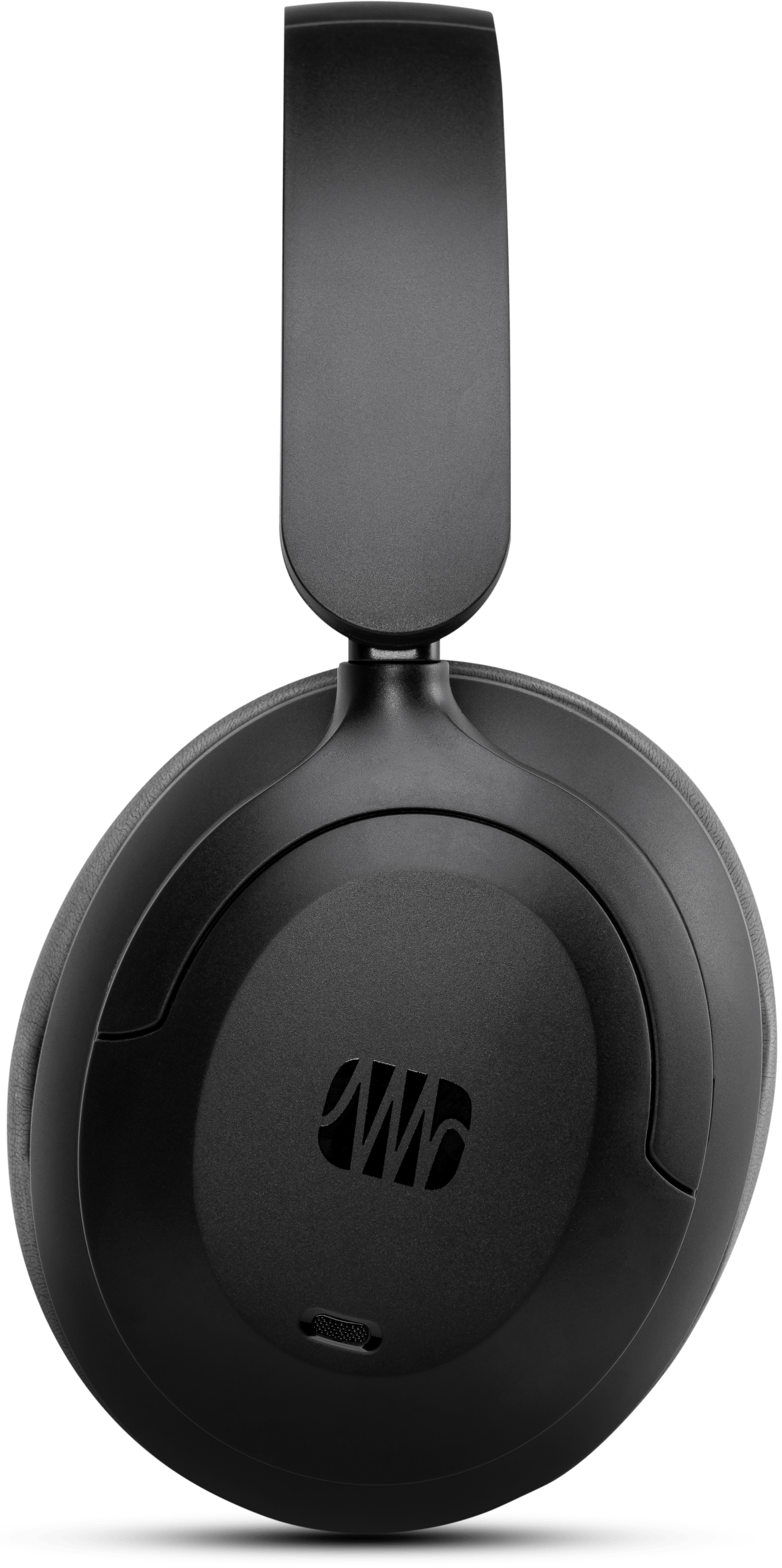
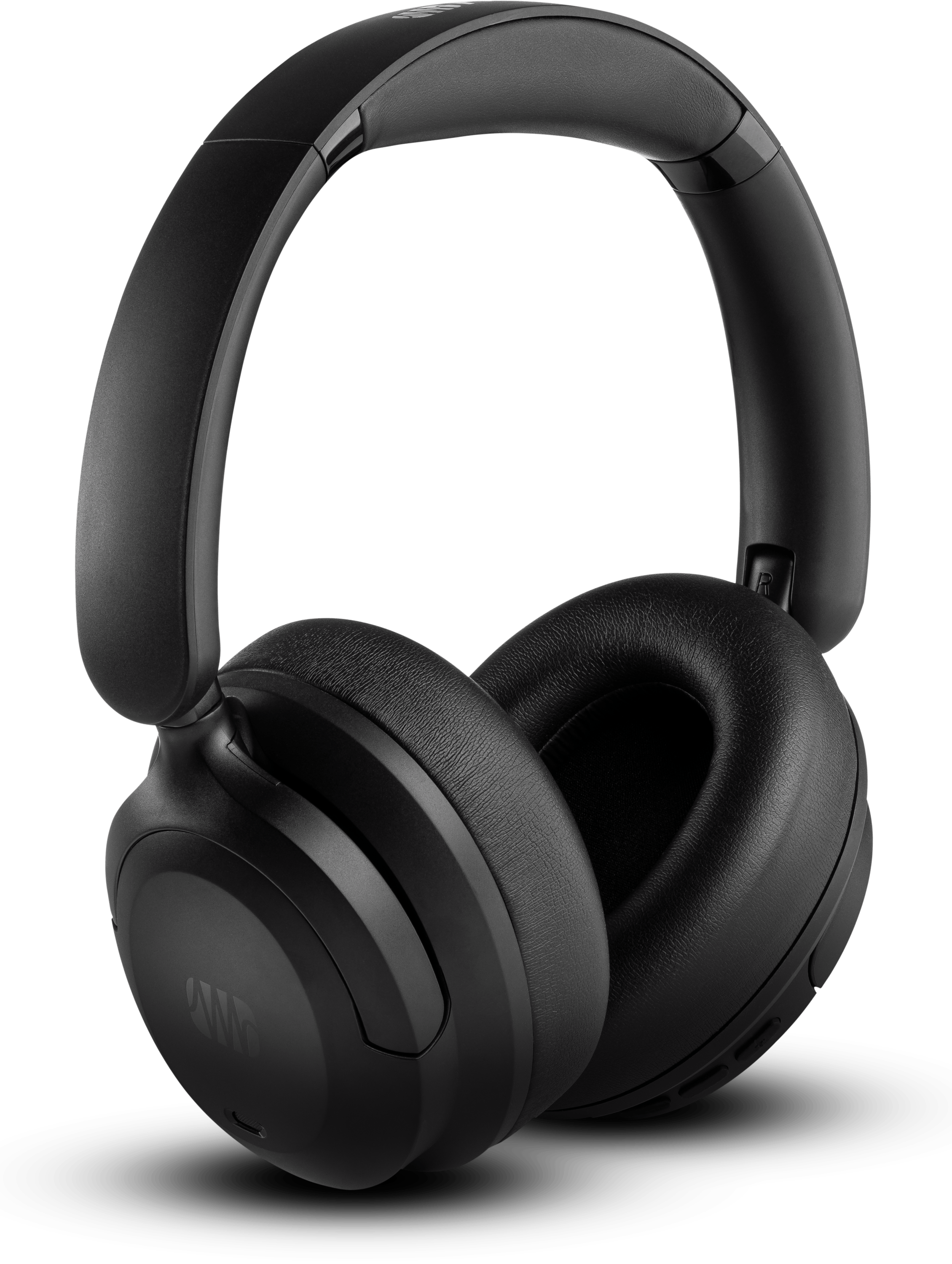
Fit, headband structure, ear cup comfort, and adjustability were evaluated to support everyday listening.
Accessible Controls
Controls and charging details were developed around practical daily use.
PreSonus Brand Connection
The products extended PreSonus audio credibility into a consumer-friendly Bluetooth headphone format.
Retail and E-Commerce Readiness
Packaging, product imagery, specifications, and Amazon content were developed to support the commercial launch.
Outcome
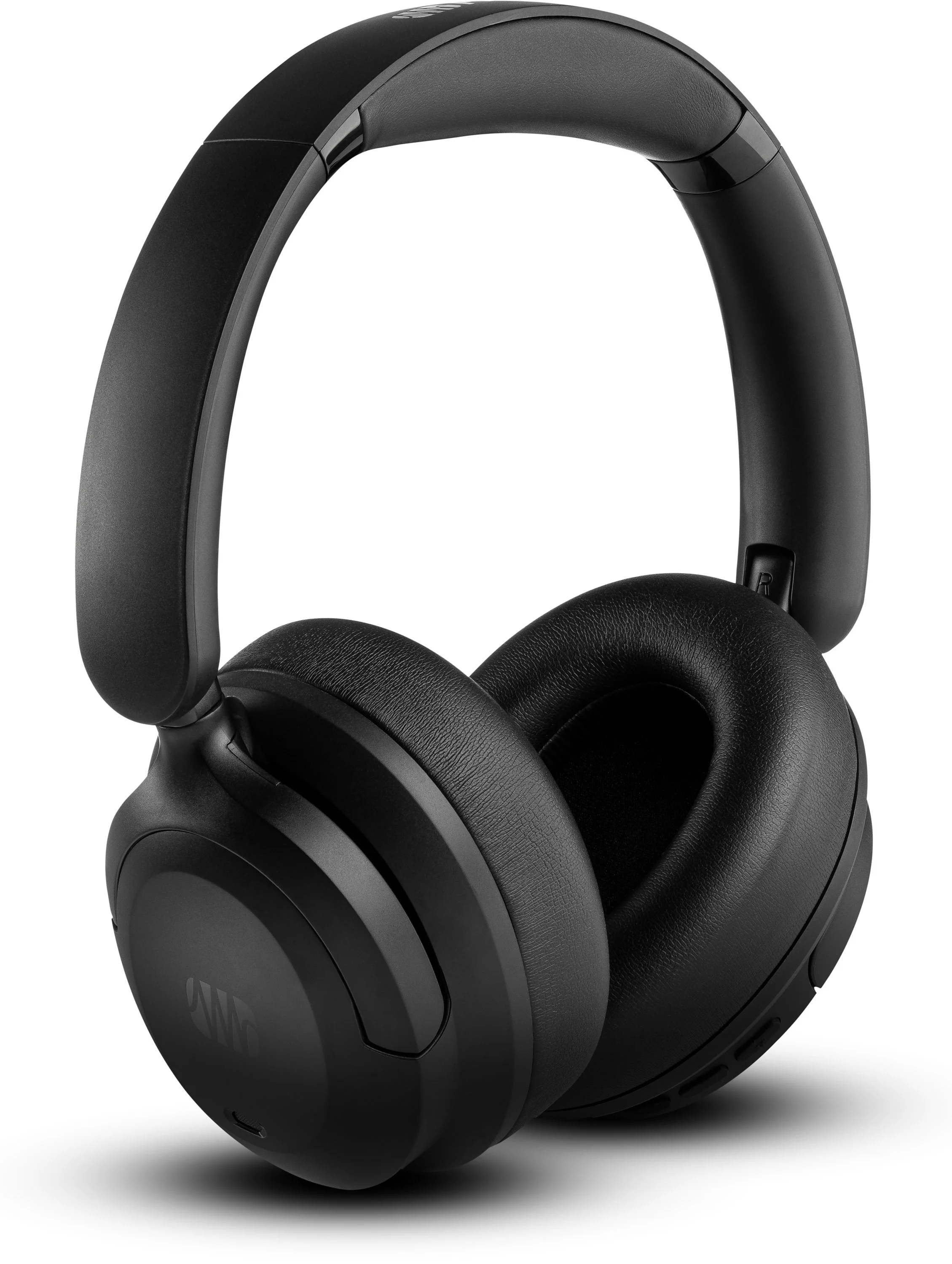
The HD6BT and HD4BT headphones extended the PreSonus product portfolio into consumer Bluetooth headphones while maintaining a clear connection to the brand’s audio credibility.
The project demonstrated how a professional audio brand could expand into wearable consumer audio by leveraging product positioning, OEM development, sample refinement, comfort evaluation, packaging, and e-commerce commercialization.
The headphone line strengthened the broader PreSonus consumer audio assortment alongside related products such as the Eris Accent Bluetooth speaker system.
Developing a Consumer Audio Product?
I help founders, startups, and product teams define product requirements, refine hardware, coordinate OEM development, evaluate samples, prepare packaging, and move consumer electronics toward manufacturing and commercial launch.