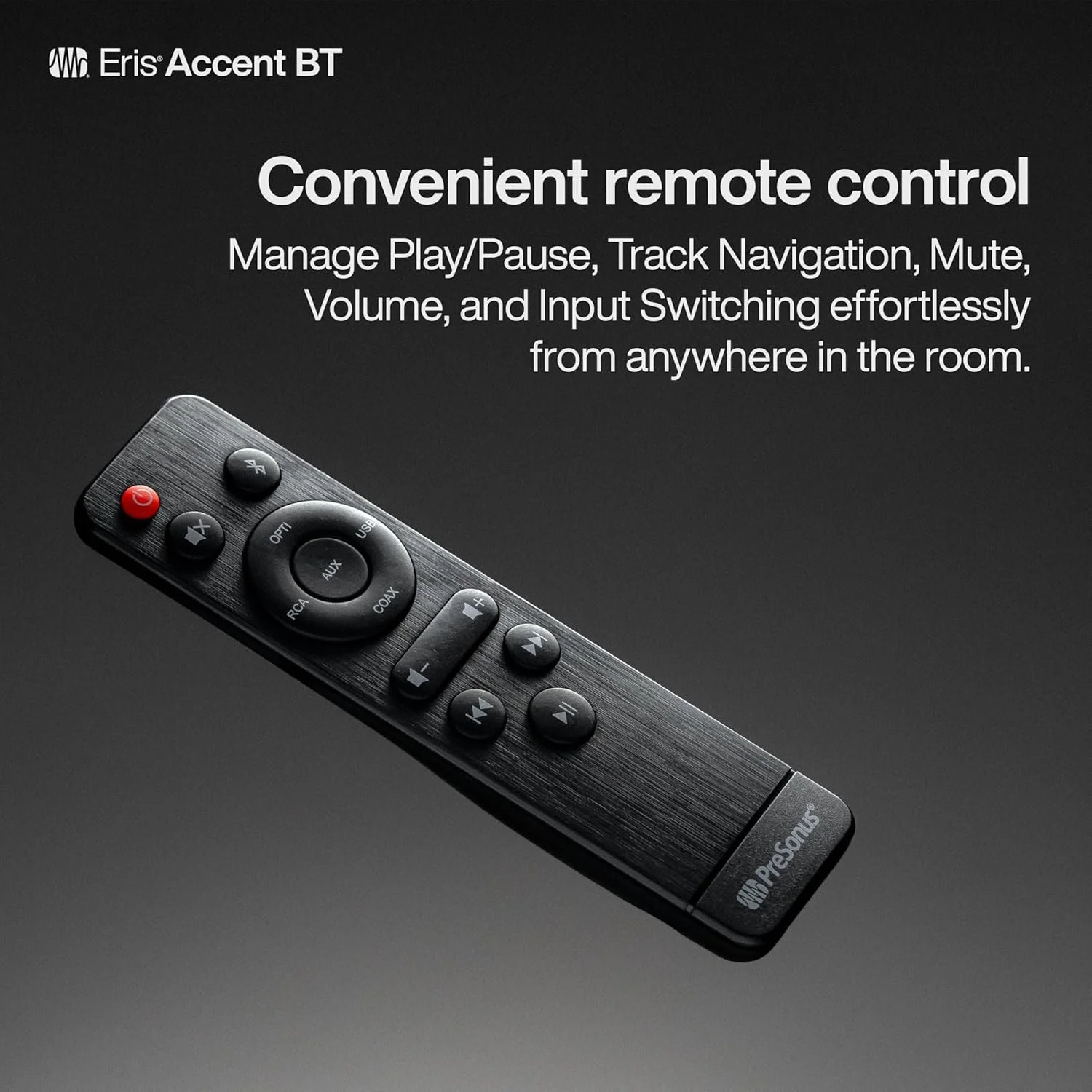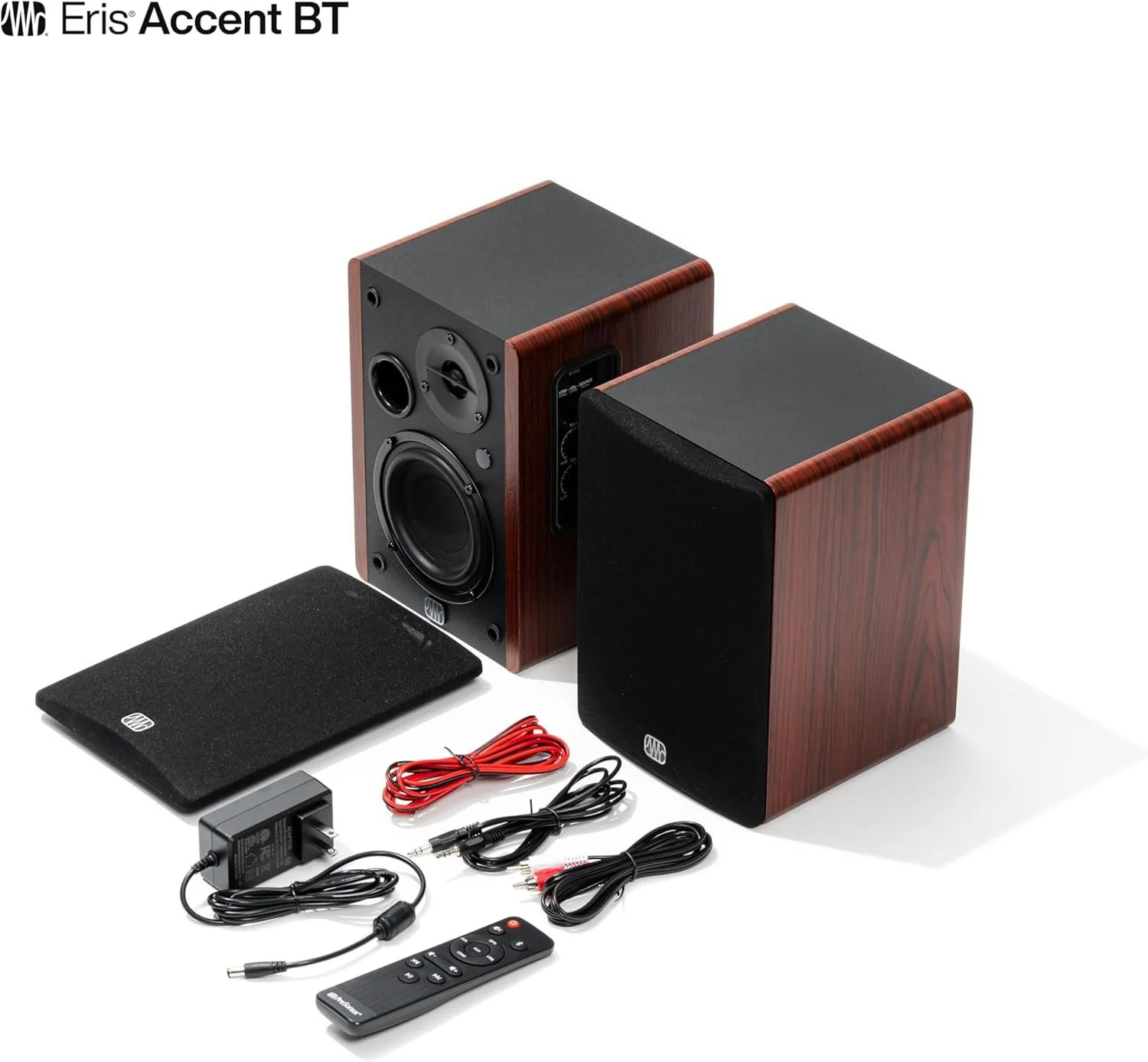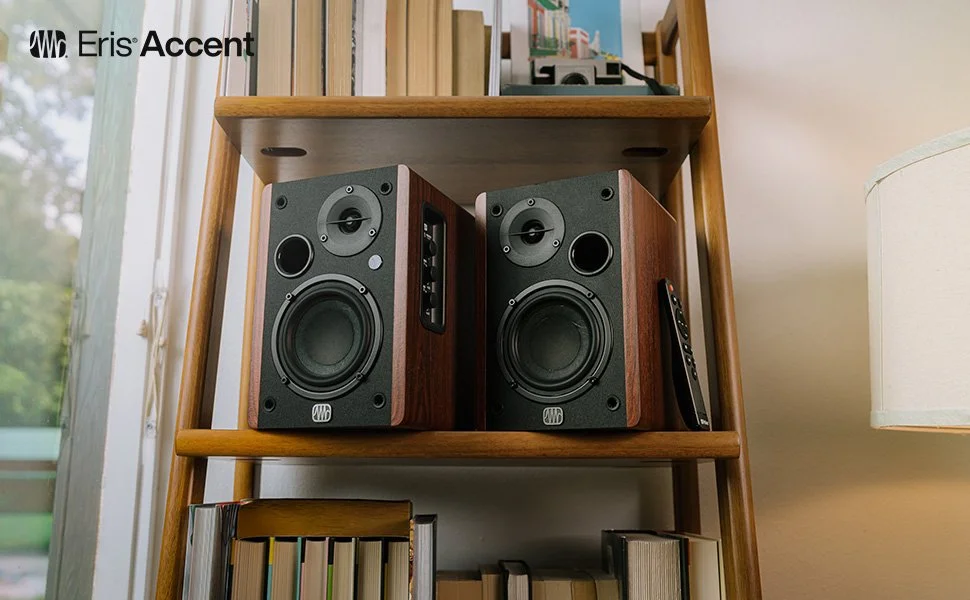
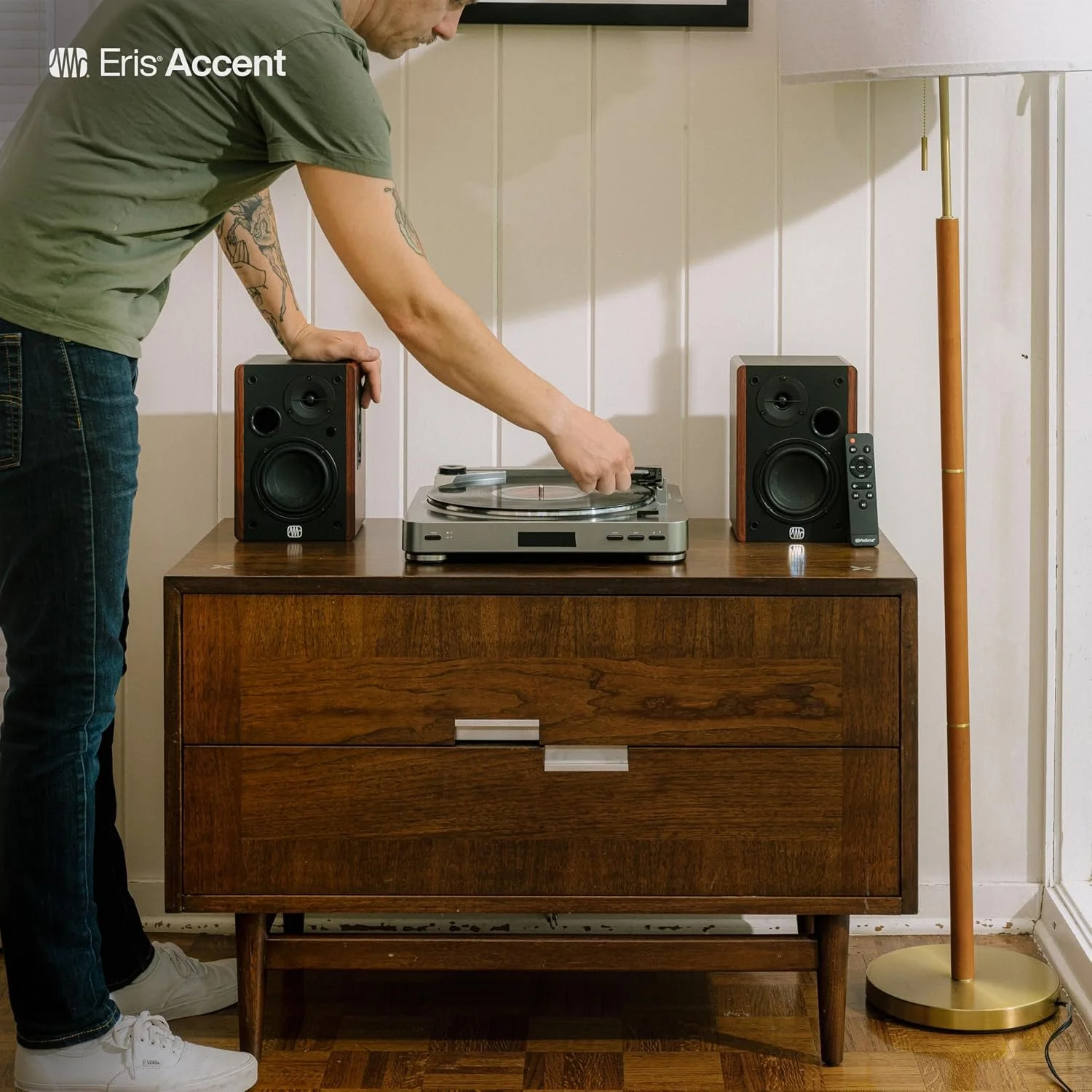
PreSonus Eris Accent Bluetooth Speakers
Consumer Audio Product Development Case Study
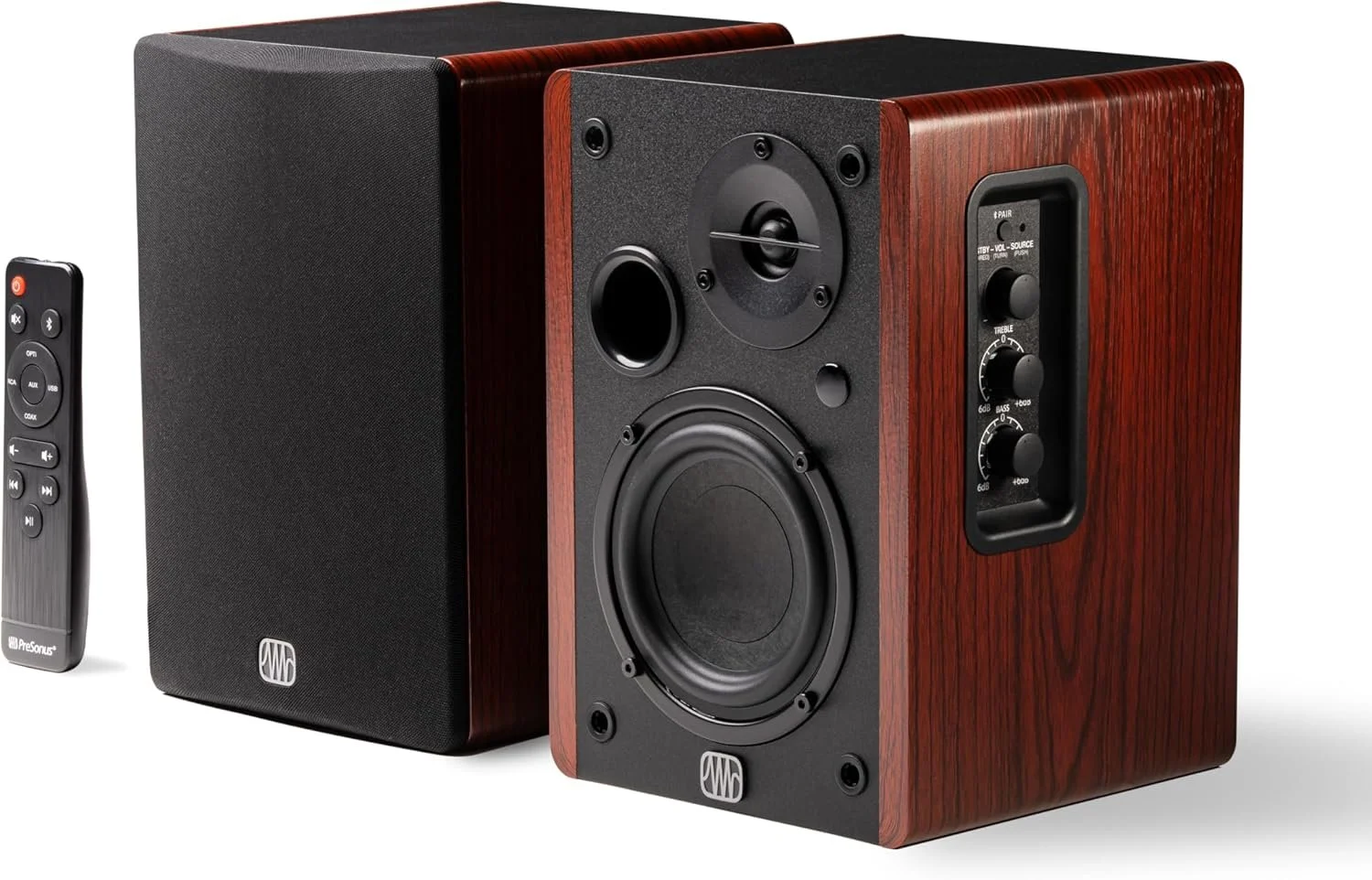
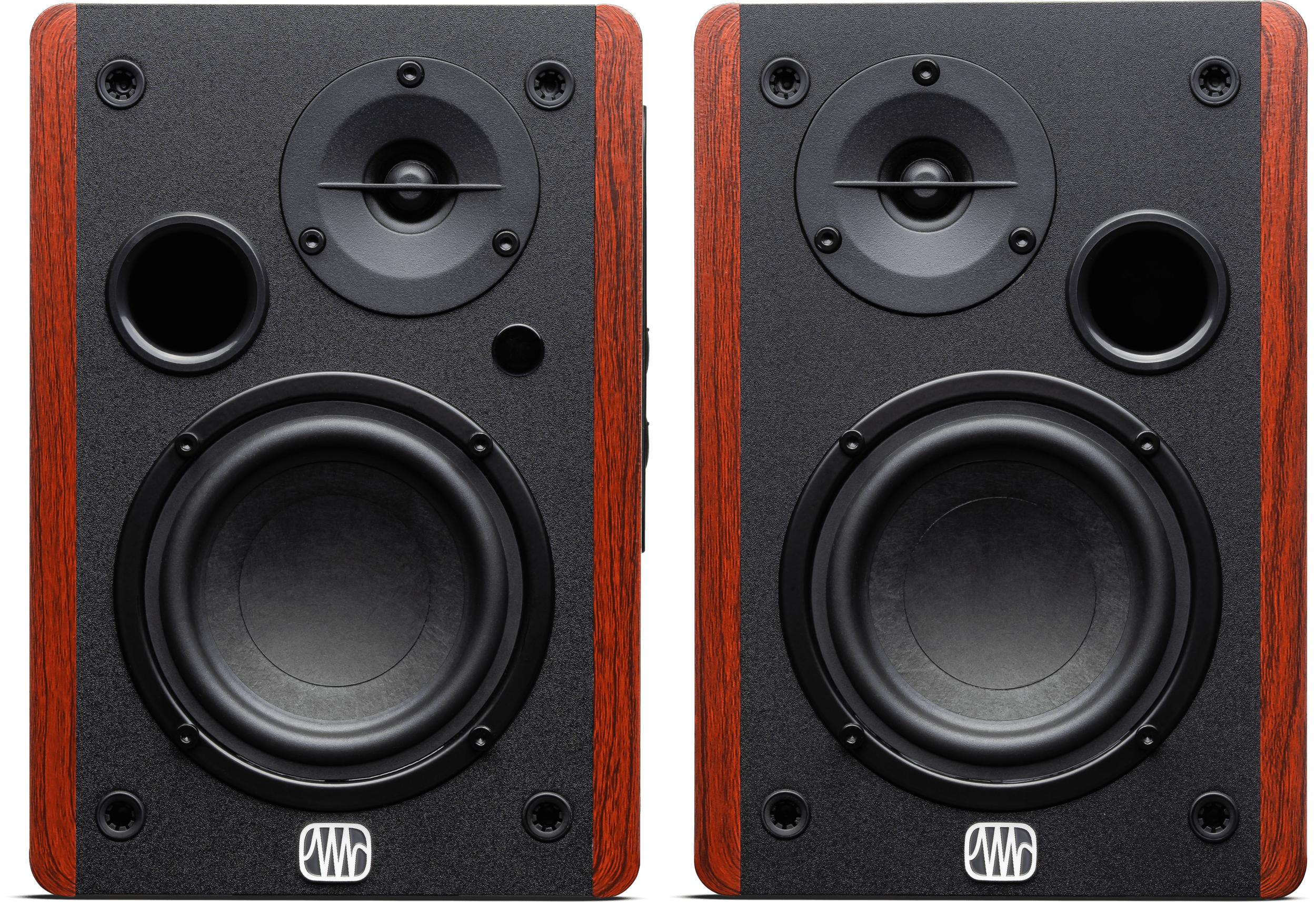
A compact Bluetooth speaker system developed to extend the PreSonus Eris product family into an accessible consumer-audio format for desktop listening, entertainment, and everyday use.
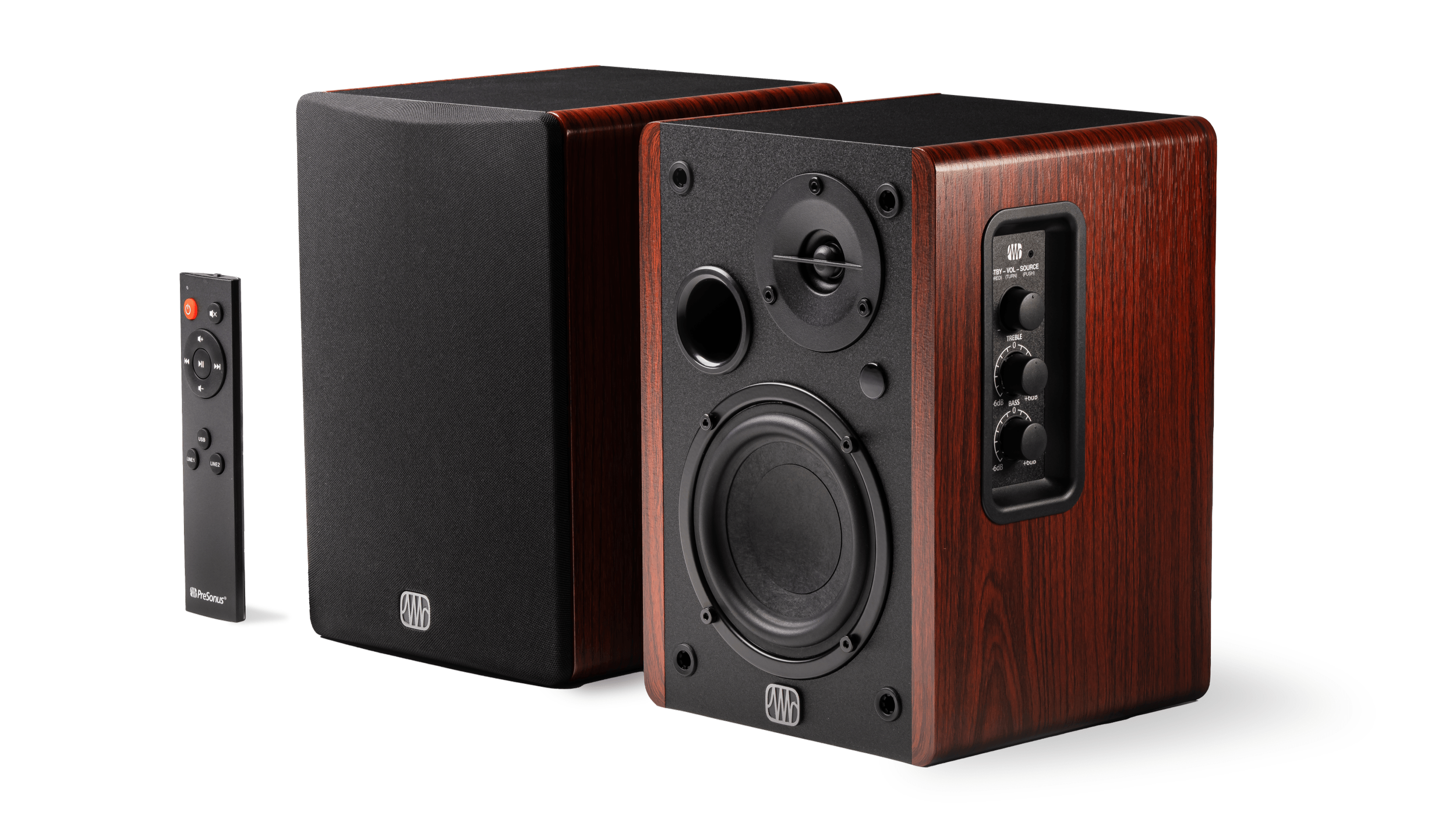
Eris Accent combined recognizable PreSonus design language, Bluetooth connectivity, compact acoustic hardware, OEM development, packaging, Amazon content, and commercial launch execution.
Role: Product Development and Product Management
Brand: PreSonus / Fender
Category: Consumer Audio Hardware
Product Type: Bluetooth Bookshelf Speakers
Focus: Product Definition, OEM Development, Audio Hardware, Packaging, Amazon Launch, Commercialization
Project Overview
PreSonus is recognized for professional audio products used by musicians, content creators, and recording professionals. The opportunity was to develop a compact Bluetooth speaker system that could reach a broader consumer audience while remaining credible within the Eris product family.
The product needed to support everyday desktop and home listening without losing the visual and performance cues associated with the PreSonus brand.
Eris Accent was developed as a compact, approachable audio product that connected professional-audio credibility with the convenience expected from modern consumer electronics.
The Opportunity
The consumer speaker market was crowded with lifestyle-oriented Bluetooth products, while PreSonus had strong equity in professional monitoring and music-production hardware.
The opportunity was to create a product that could:
Extend the Eris family into a broader consumer segment
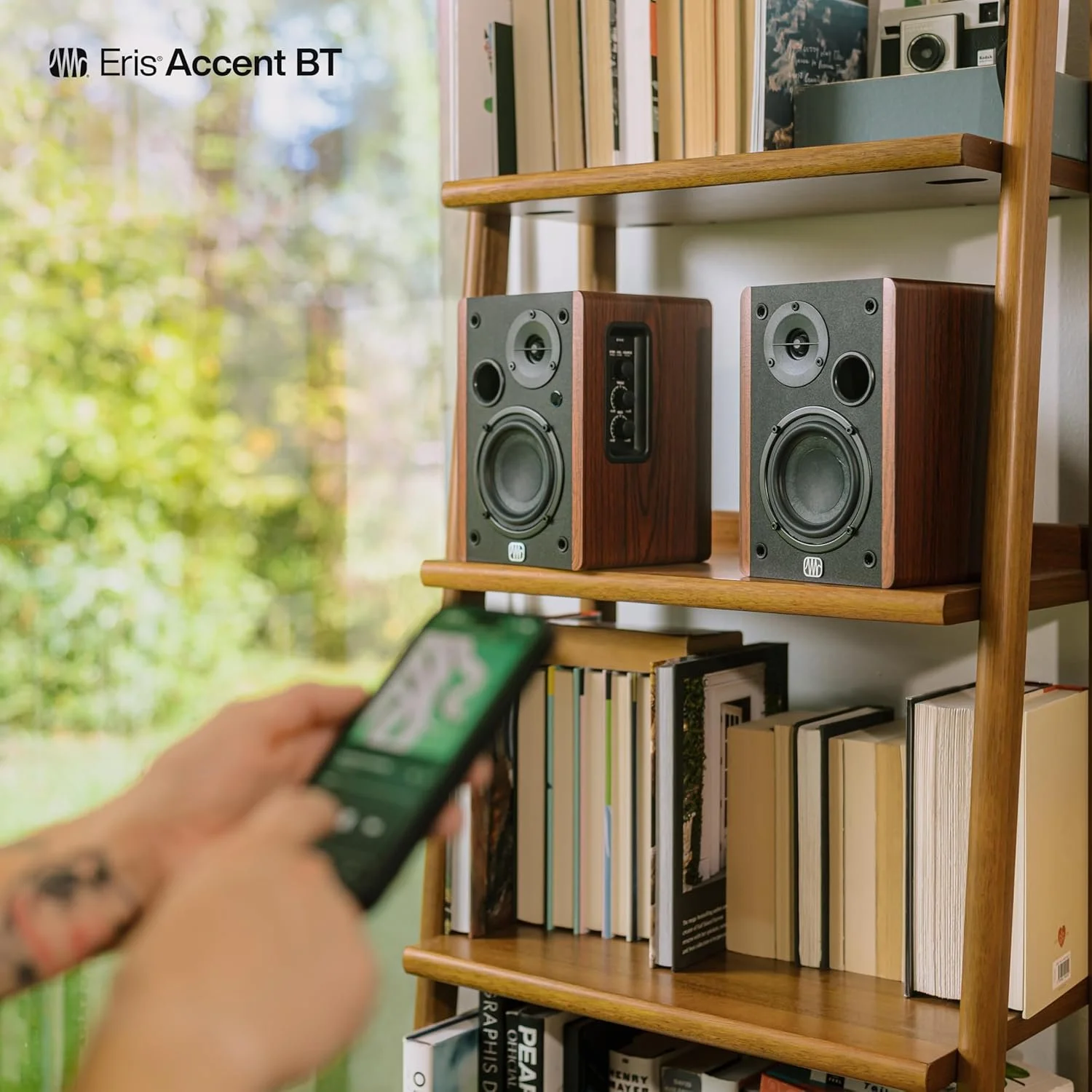
Appeal to music listeners, gamers, students, and desktop users
Offer Bluetooth convenience alongside wired connectivity
Preserve recognizable PreSonus design cues
Deliver strong value within a competitive retail price point
Support Amazon and e-commerce merchandising
Expand the brand into new usage occasions without weakening its professional-audio credibility
The challenge was to create an accessible consumer product that still felt unmistakably connected to PreSonus.
My Role
I led and coordinated product development activities across product definition, competitive analysis, OEM development, design refinement, packaging, content creation, and launch readiness.
My responsibilities included:
Defining the product opportunity and intended customer use cases
Benchmarking competing Bluetooth and desktop speaker systems
Establishing target features, price positioning, and product requirements
Coordinating OEM sourcing and supplier development
Reviewing industrial design, proportions, controls, finishes, and branding
Evaluating samples for fit, finish, usability, construction, and performance
Aligning product details with the PreSonus Eris design language
Supporting packaging structure, graphics, specifications, and feature communication
Developing Amazon and e-commerce product content
Coordinating launch readiness across product, marketing, operations, sales, and supplier teams
Product Development Approach
-
The product needed to work for customers who wanted better sound than a laptop, monitor, or basic portable speaker, but did not need a full professional studio monitor setup.
Core use cases included:
Desktop music listening
Gaming and entertainment
Home-office audio
Content viewing
Small-room playback
Bluetooth streaming from phones, tablets, and computers
These use cases guided decisions around product size, controls, connectivity, placement, packaging, and price.
-
Eris Accent needed to feel related to PreSonus studio monitors without being mistaken for a professional reference monitor.
The product language focused on:
Familiar Eris-inspired proportions
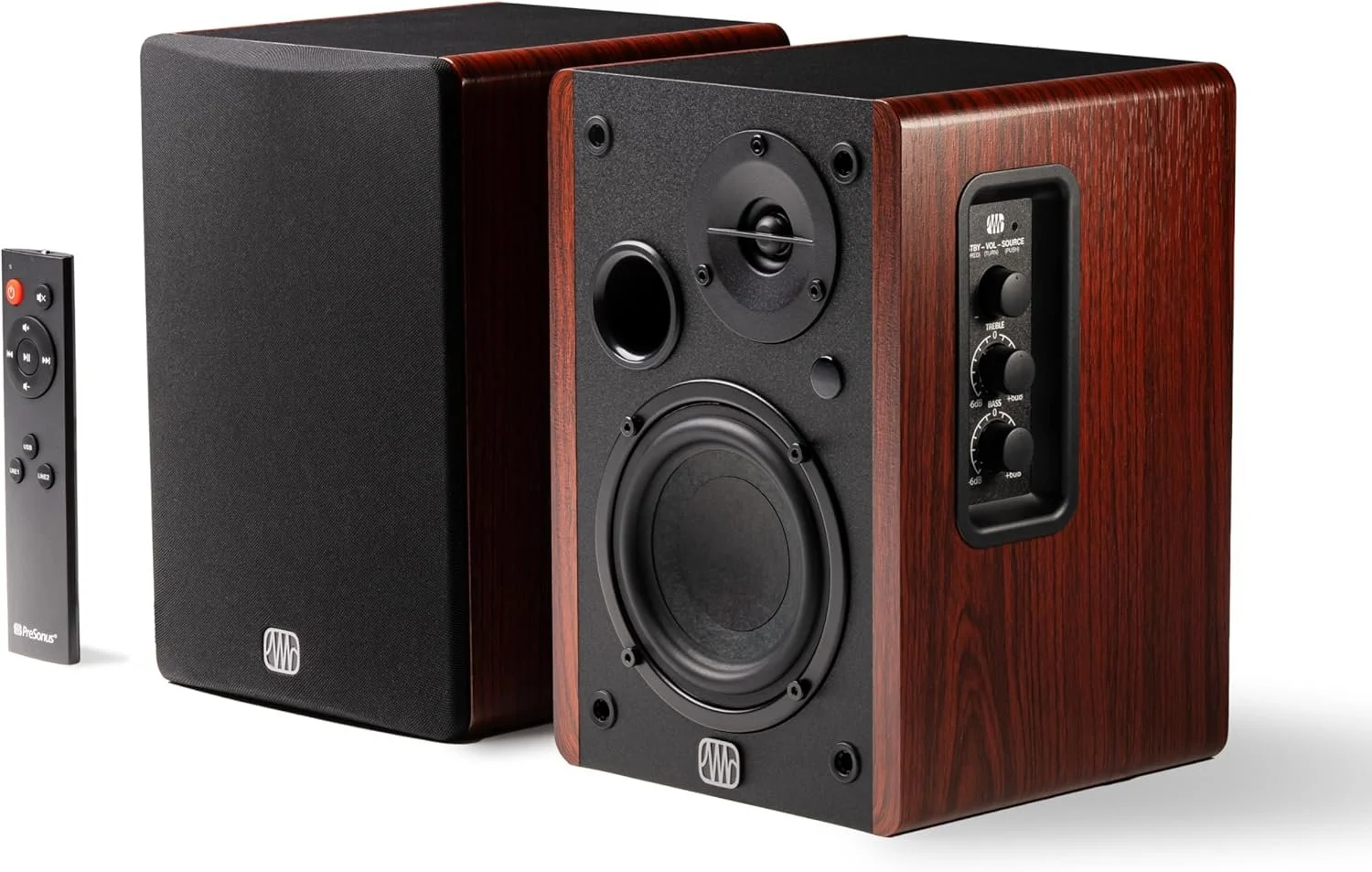
Recognizable front-panel treatment
Clear PreSonus branding
A compact bookshelf-speaker form
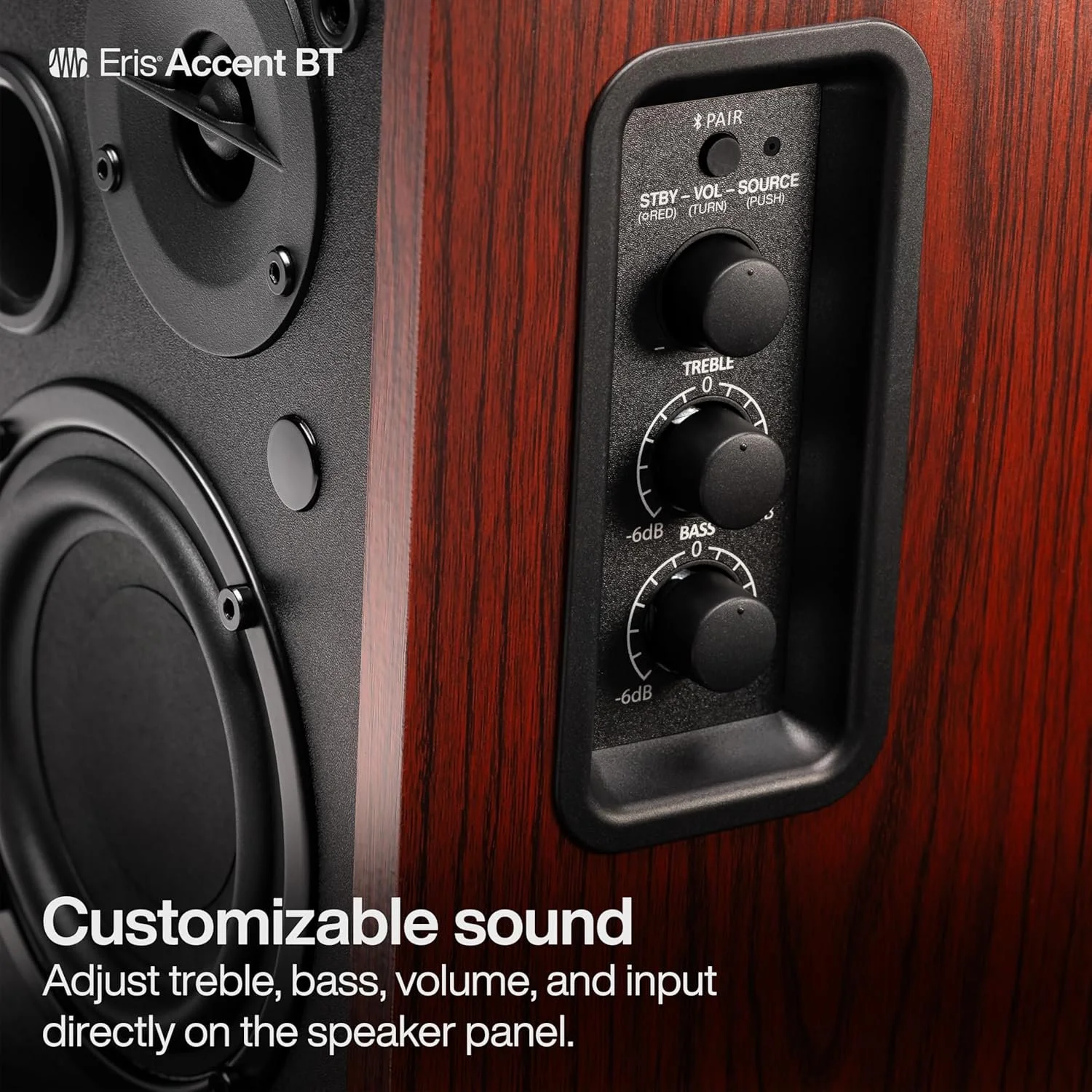
Consumer-friendly controls
A visual balance between professional and lifestyle audio
The objective was to extend the family while preserving a clear product hierarchy.
-
The development process included reviewing competing Bluetooth bookshelf speakers and compact desktop-audio systems.
Benchmarking focused on:
Speaker size and footprint
Power and perceived output
Connectivity
Control layout
Included accessories
Materials and finishes
Packaging
Retail price
Customer reviews and recurring complaints
E-commerce presentation
This helped define where Eris Accent needed to meet category expectations and where it could differentiate.
-
The product requirements needed to balance customer value, brand expectations, technical feasibility, supplier capability, and cost.
Development priorities included:
Compact desktop-friendly proportions
Bluetooth wireless connectivity
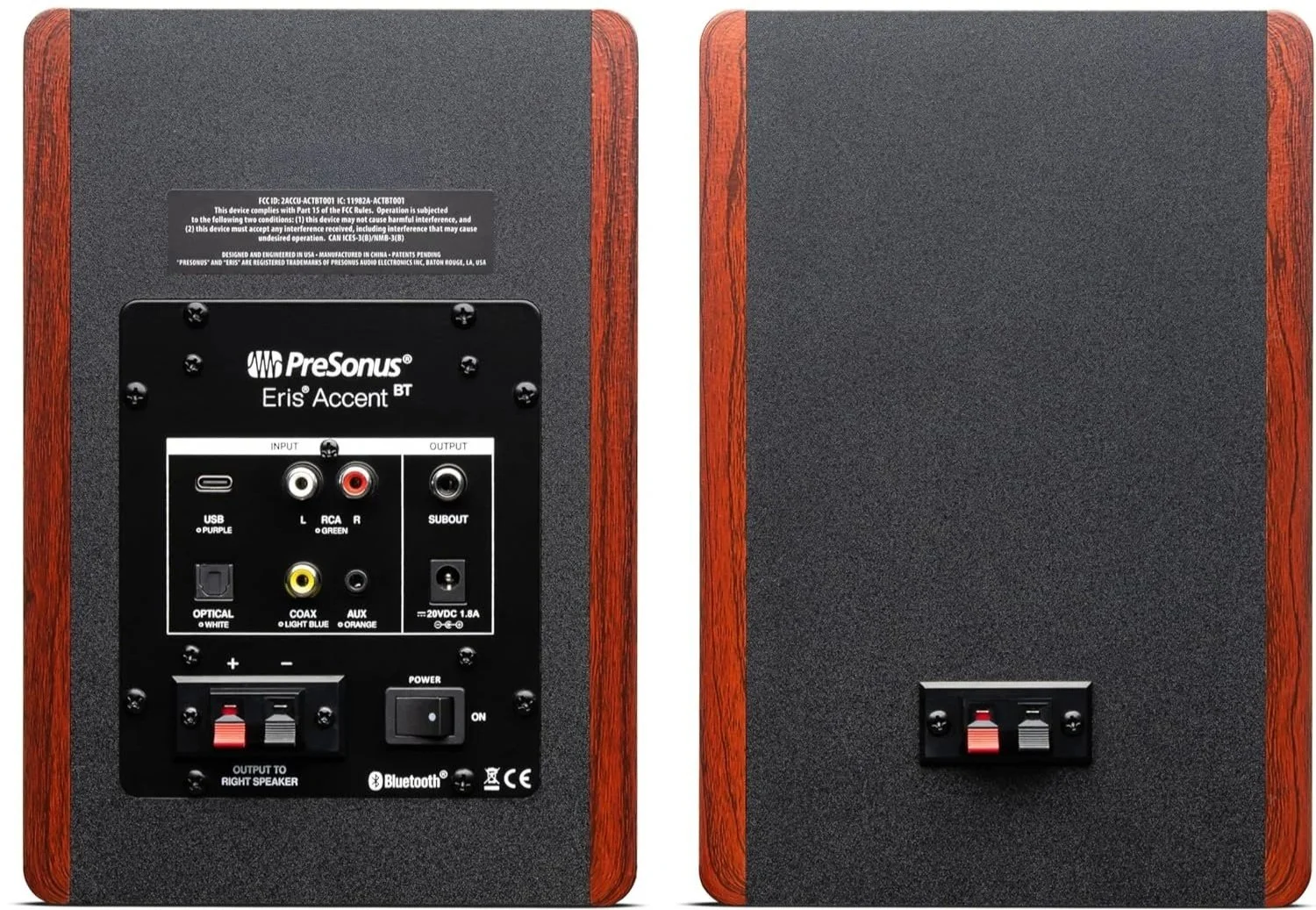
Practical wired-input options
Simple, accessible controls
Clear left/right speaker setup
Stable tabletop placement
Durable cabinet construction
Consistent finish quality
Brand-appropriate visual detailing
Retail-ready packaging and accessories
The feature set was evaluated against cost targets and the intended market position throughout development.
-
The product was developed through an OEM manufacturing process that required clear communication of product requirements, brand expectations, design details, and launch timing.
Supplier coordination included:
Product specifications
Design and construction review
Component and material discussions
Sample schedules
Cost and BOM considerations
Finish and color review
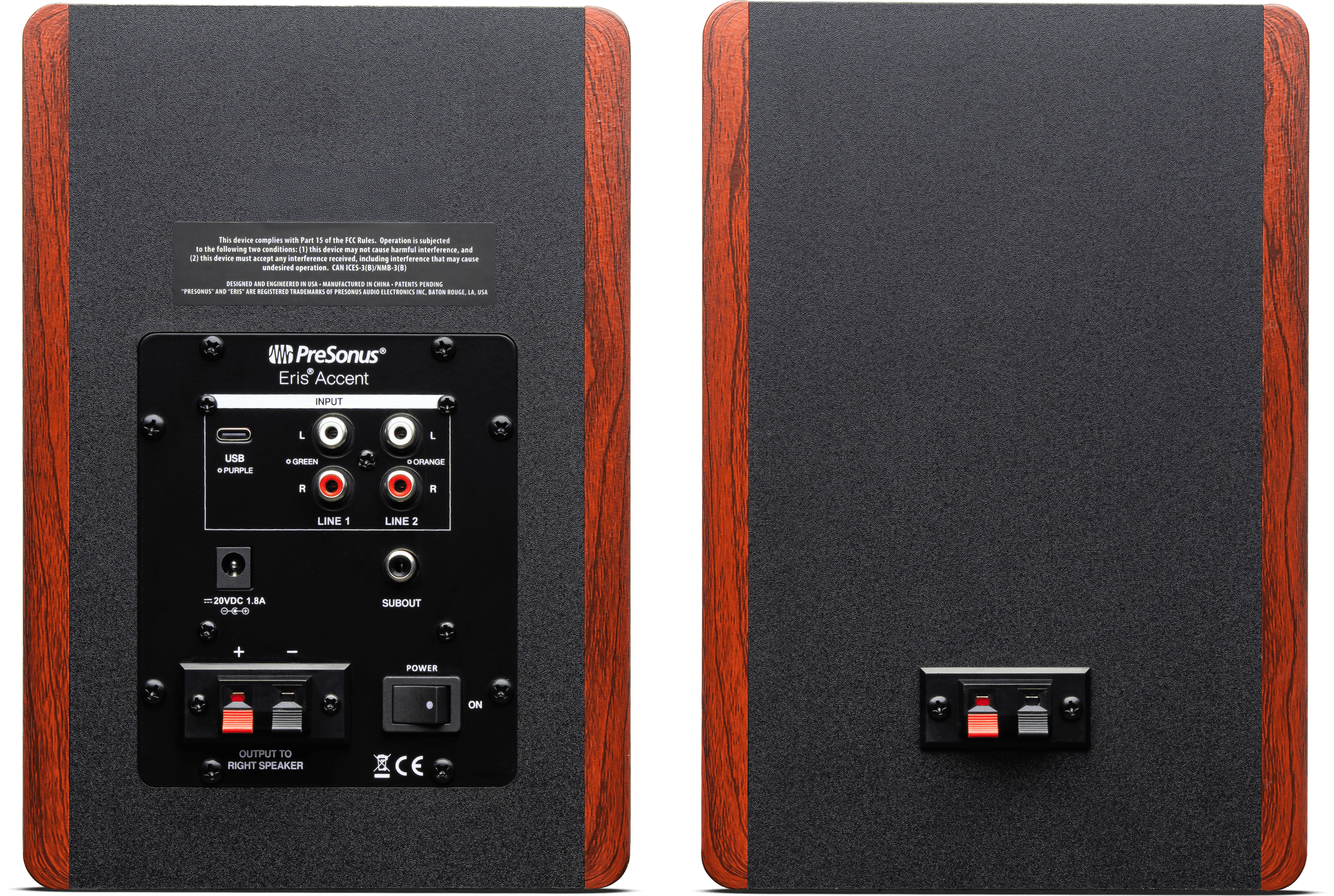
Control and connection layout
Packaging requirements
Quality expectations
Production-readiness tracking
The OEM relationship needed to support both technical execution and the visual standards of an established audio brand.
-
The exterior design needed to communicate quality without adding unnecessary complexity or cost.
Design refinement focused on:
Cabinet proportions
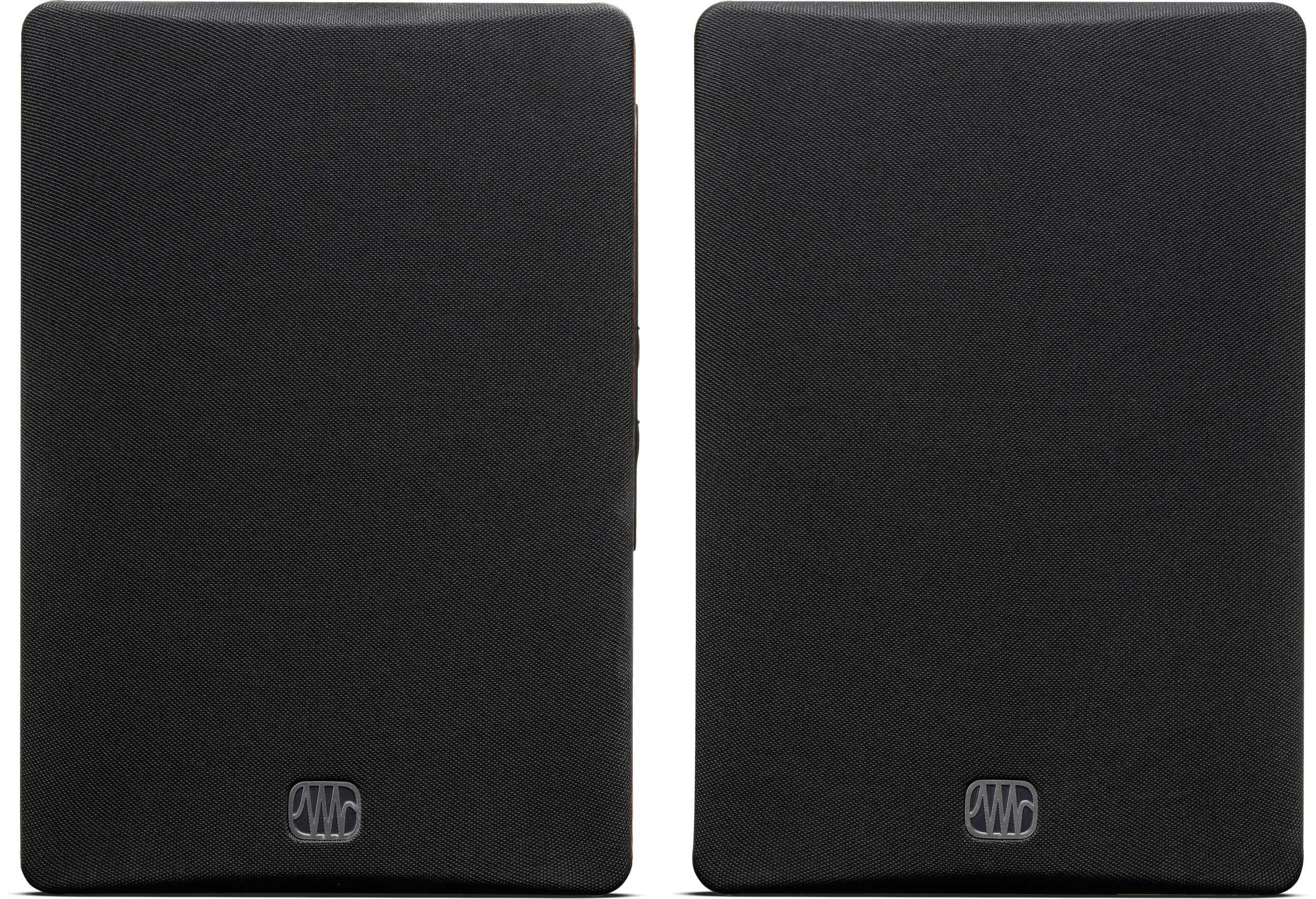
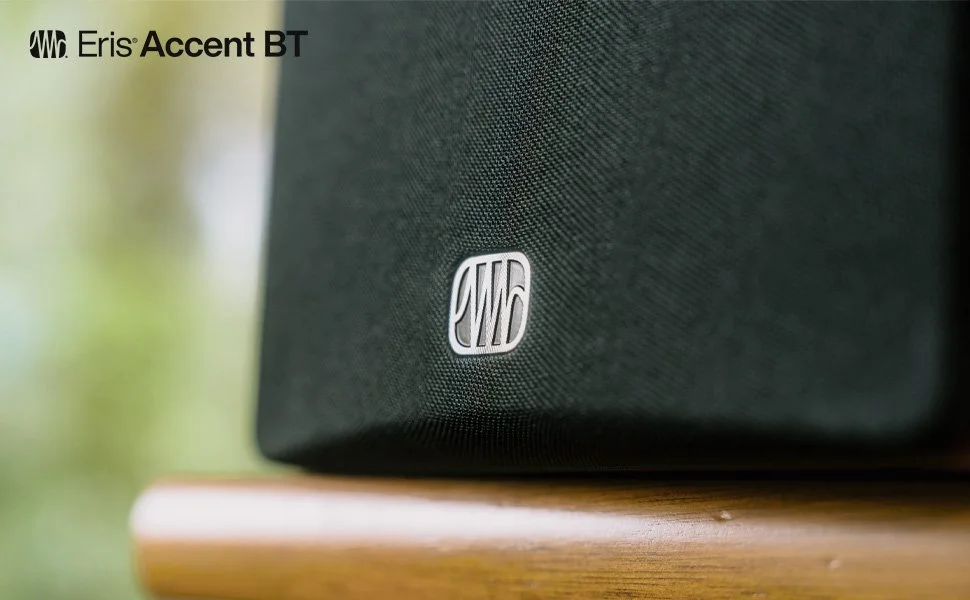
Driver and grille presentation
Front-panel hierarchy
Control placement
Branding scale and location
Surface finishes
Edge transitions
Speaker-pair consistency
Visual alignment with the Eris family
Small adjustments to geometry, finish, and graphic placement helped create a more cohesive and brand-appropriate product.
-
Development samples were evaluated across physical construction, user interaction, visual quality, and product setup.
Review areas included:
Cabinet fit and finish
Surface consistency
Driver and grille alignment
Control feel
Input and cable access
Bluetooth pairing experience
Speaker stability
Branding execution
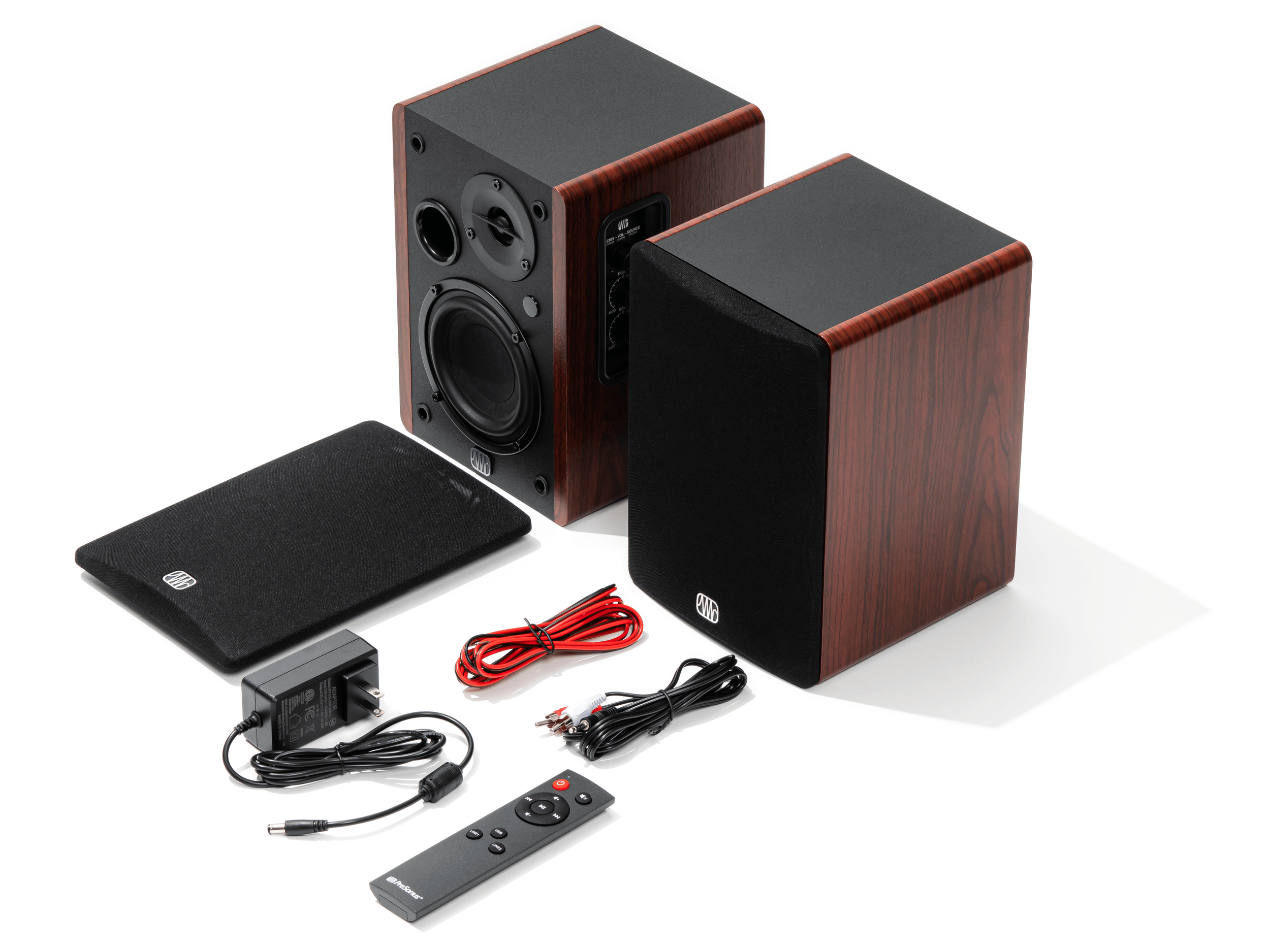
Included accessories
Packaging fit and protection
Overall perceived quality
Supplier feedback cycles were used to identify issues and improve the product before production.
-
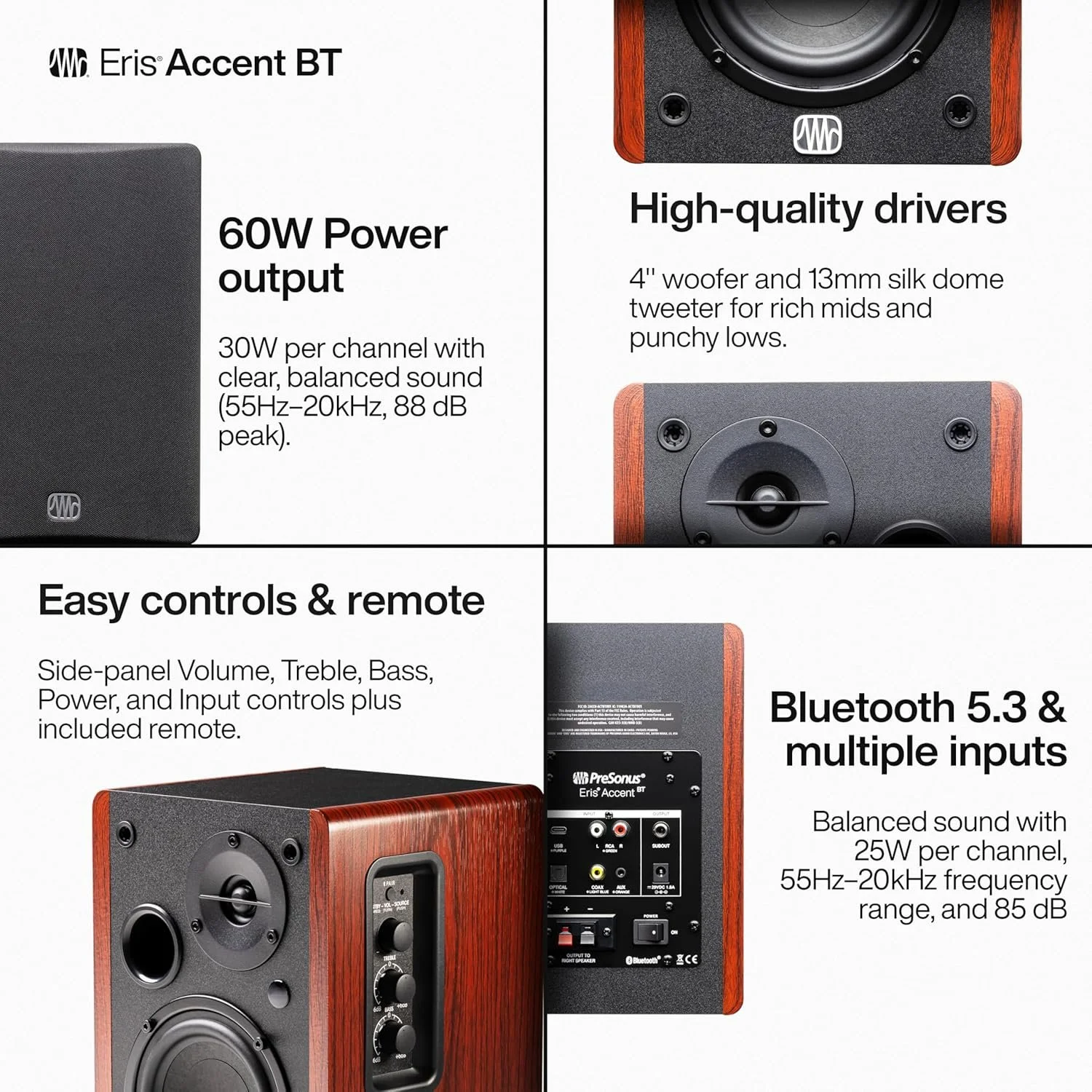
Because the product was intended for strong online visibility, the value proposition needed to be clear without an in-person demonstration.
Product content focused on:
Bluetooth connectivity
Compact desktop placement
Speaker configuration
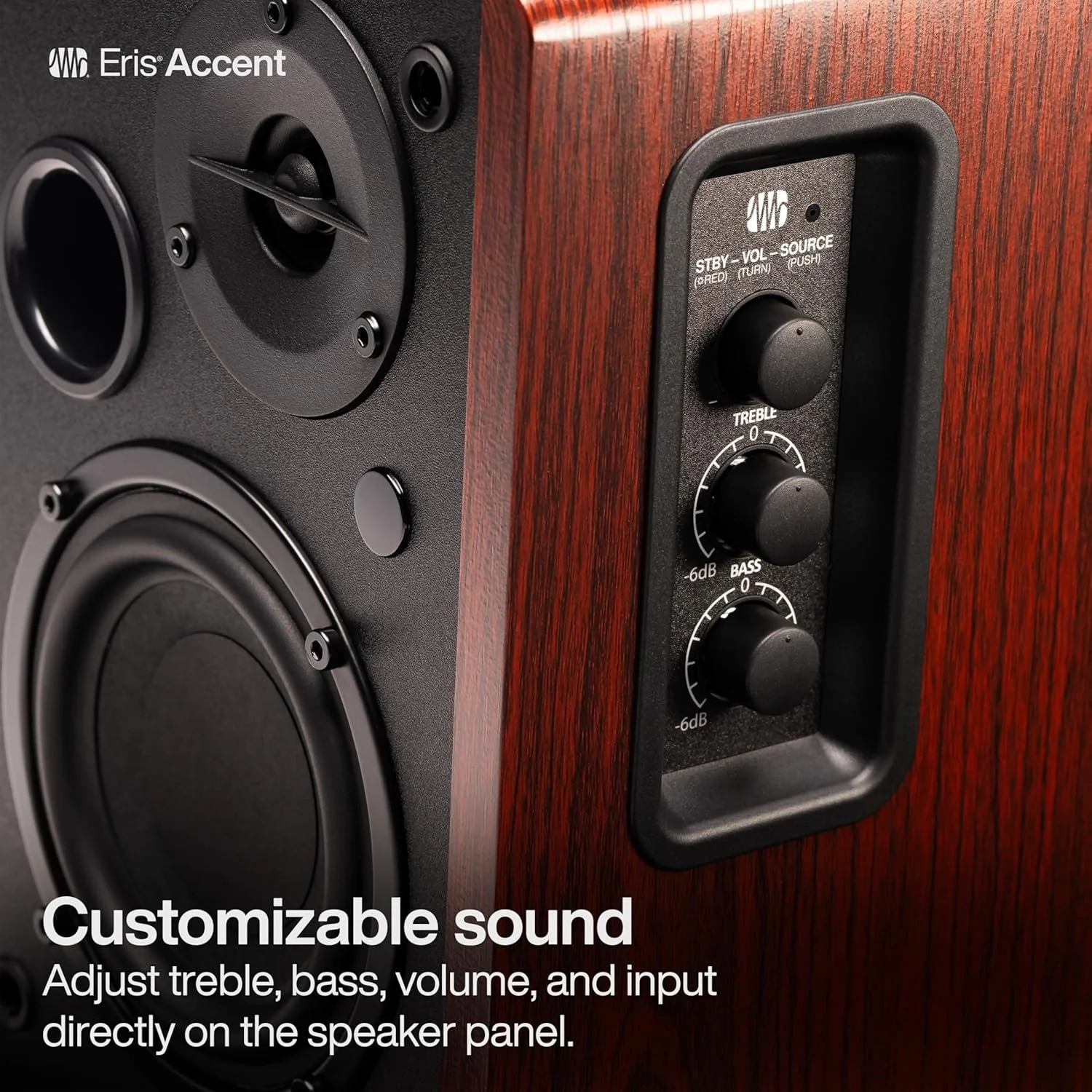
Control access
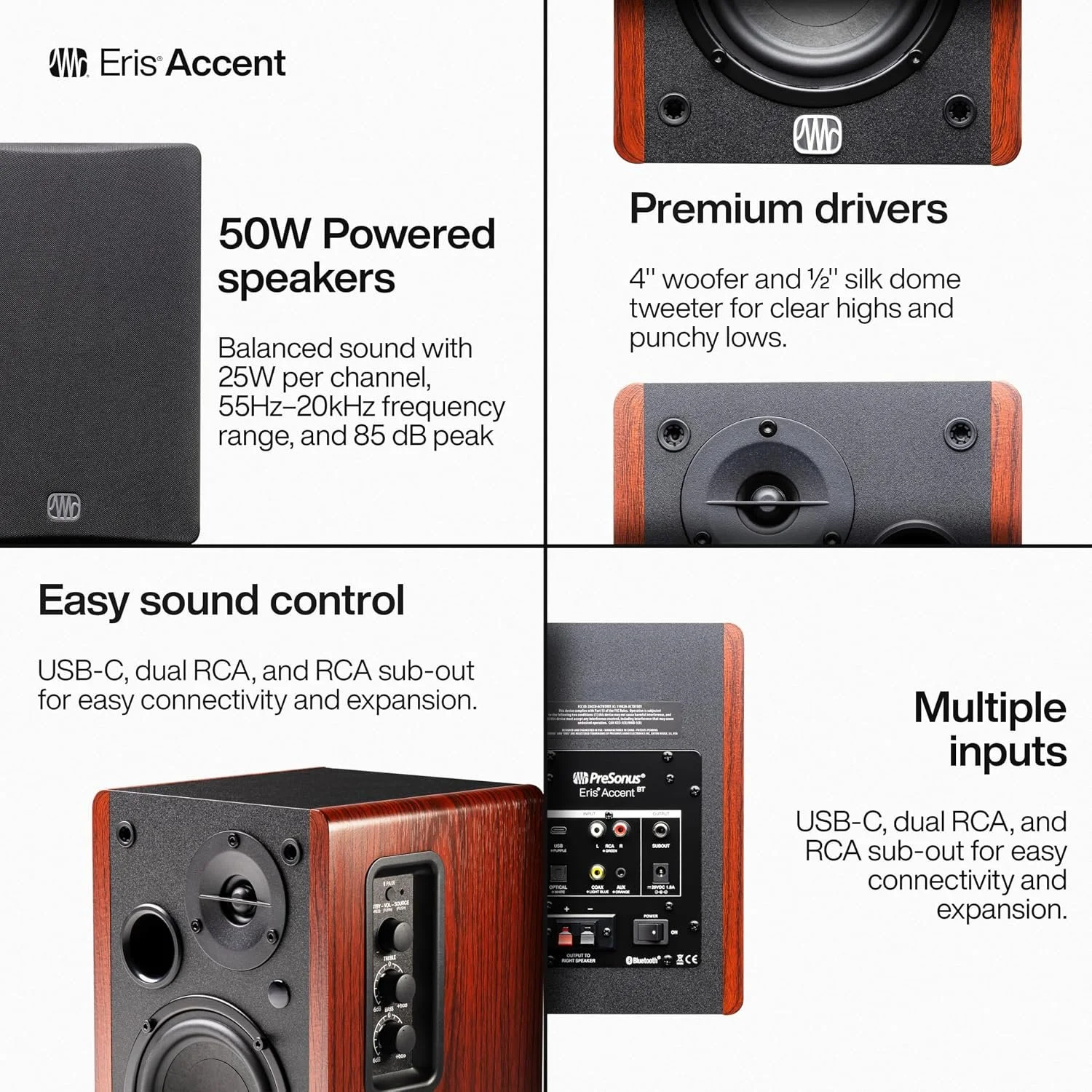
Input options
Use across music, gaming, and entertainment
Product dimensions
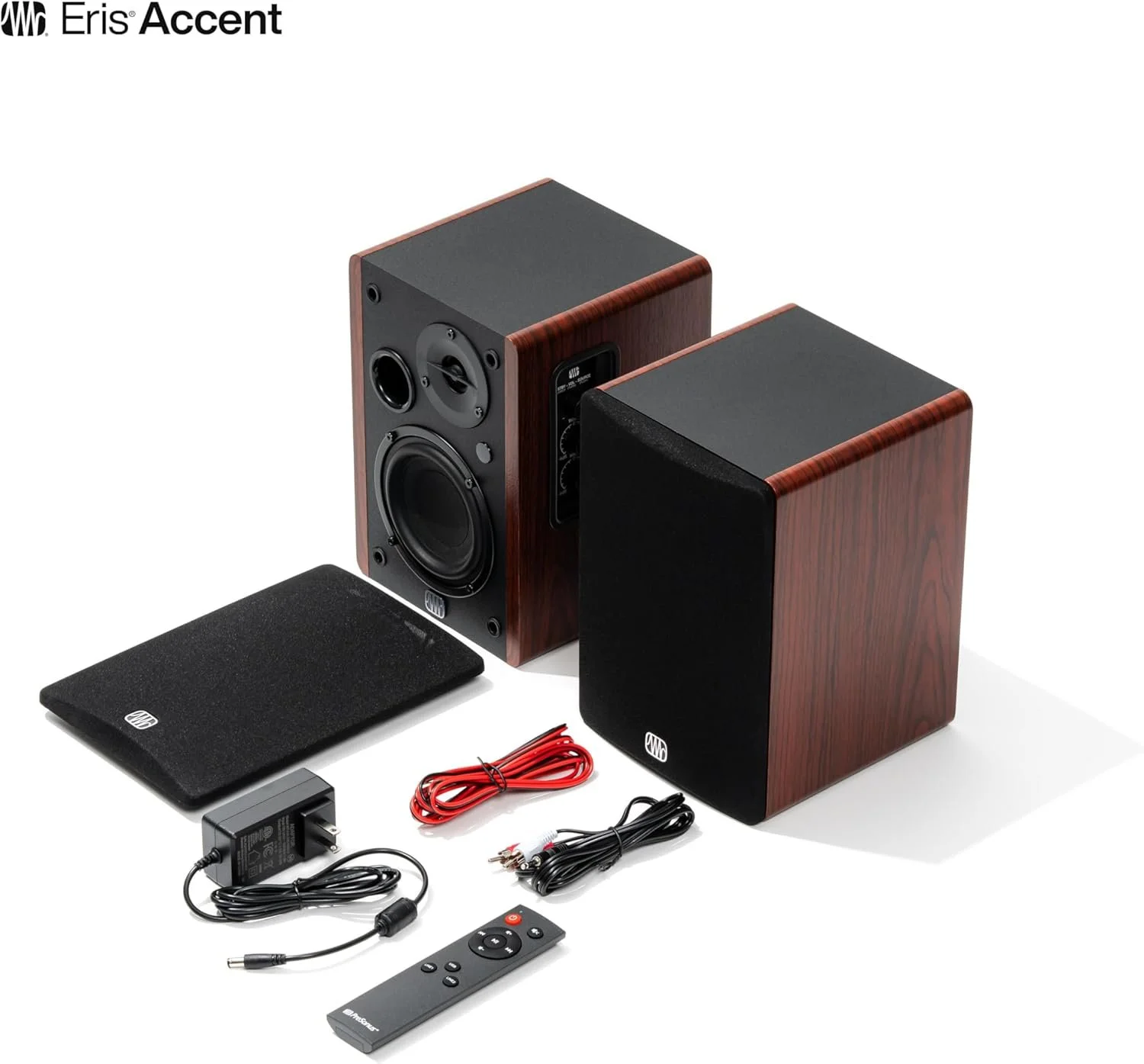
Included accessories
PreSonus brand credibility
Eris-family connection
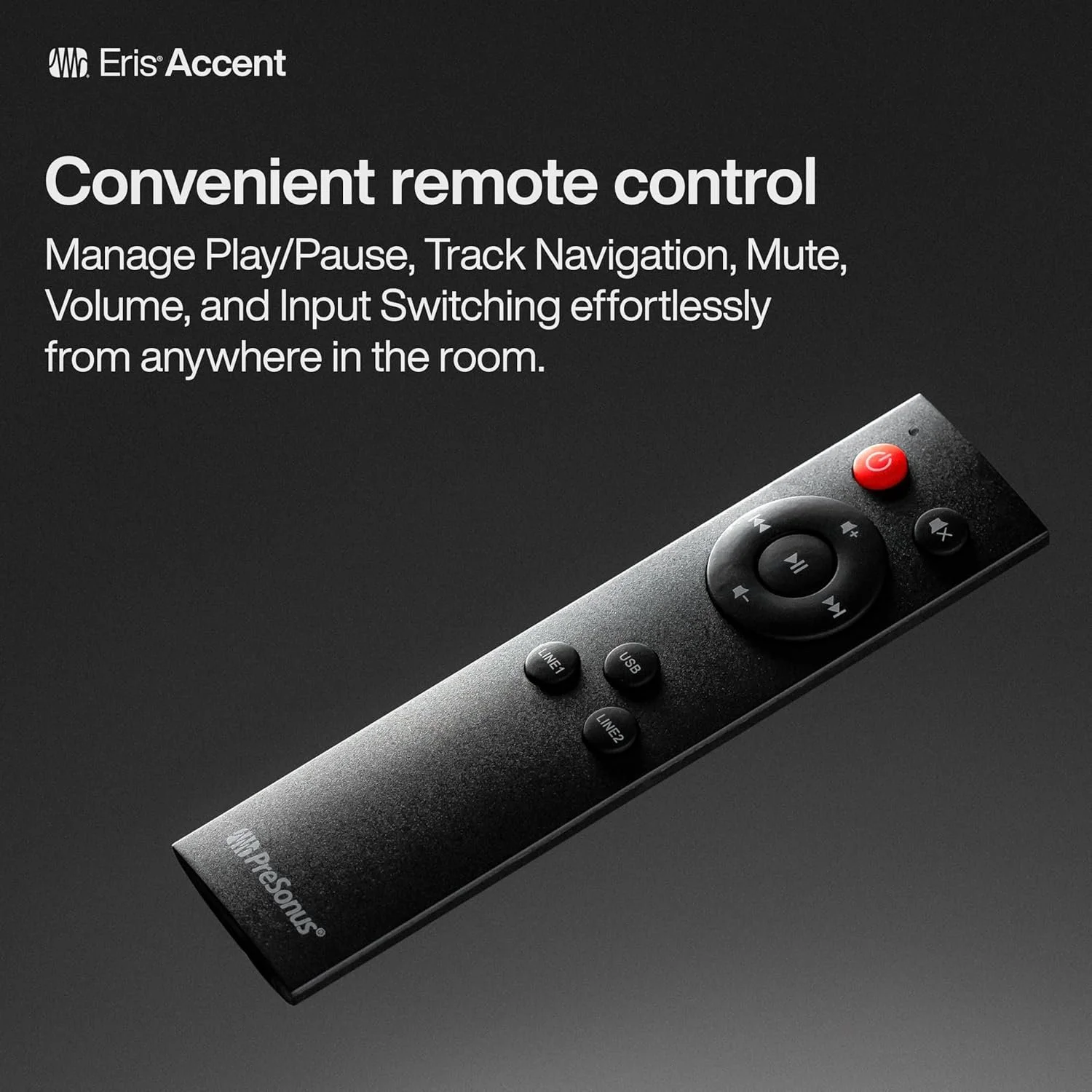
Amazon imagery and feature content were developed to explain the product quickly and reduce purchase uncertainty.
-
Packaging needed to protect the speaker system while supporting the product’s retail and e-commerce positioning.
Packaging development focused on:
Clear product naming
Speaker configuration
Bluetooth and connectivity callouts
Key specifications
Use-case imagery
Included components
Product protection
Shipping durability
Brand consistency
Easy setup communication
Launch materials aligned product, packaging, digital content, sales information, and operational readiness.
PreSonus Eris Accent
PreSonus Eris Accent BT